


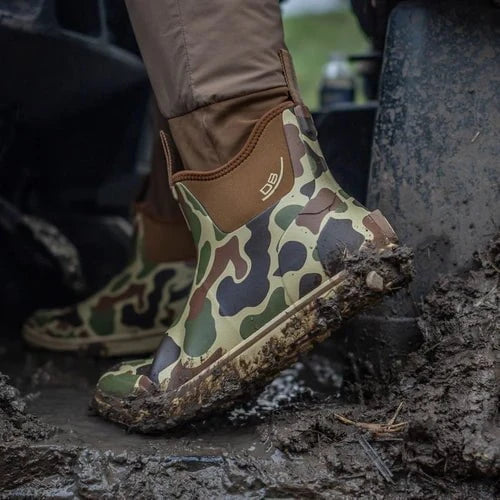
Spotting Waterfowl in Wetlands
Wetlands are some of the best places to spot waterfowl, offering an array of habitats where ducks, geese, swans, and other waterfowl thrive. These environments, rich with shallow water, marshes, reeds, and mudflats attract a diverse array of waterfowl, collectively referred to as ‘all the birds,’ providing ideal feeding, breeding, and resting grounds for many species. Waterfowl migration is a key seasonal event, making it possible to observe an impressive sight of various birds moving northward in the spring. If you’re new to birdwatching or hunting, wetlands can be a perfect starting point for spotting waterfowl in the wild.
This guide will help you learn how to spot and identify waterfowl in wetlands, offering tips on where to look, what to listen for, and how to recognize the different species that frequent these habitats.
1. Understand Wetland Habitats and Waterfowl Behavior
Wetlands are diverse ecosystems, and waterfowl are often seen in specific areas within them, depending on the species, season, and weather conditions. Towns and cities often attract geese along with other wetland birds like mallards and swans, making these areas accessible for beginner birdwatchers. To increase your chances of spotting waterfowl, it’s important to understand the relationship between these birds and the wetland habitat. Cloud cover can influence waterfowl behavior, as certain weather conditions may encourage birds to stay and land rather than continue their journey.
-
Shallow Water: Waterfowl like ducks, teal, and geese prefer shallow areas of water where they can forage for food. These areas are rich in aquatic plants, insects, and other small organisms. Shallow ponds, marshes, and flooded fields are prime spots for waterfowl.
-
Tip: Look for waterfowl in the shallowest parts of the wetland, especially near the edges where plants and food are abundant.
-
Reeds and Vegetation: Reeds, grasses, and other aquatic vegetation provide cover and nesting sites for many species of waterfowl. Birds like wood ducks often seek shelter in these areas.
-
Tip: Pay attention to areas with dense reeds or grass, as they provide hiding places for waterfowl. They might be resting or feeding in these areas, particularly during the early morning or late afternoon.
-
Mudflats and Open Water: While shallow areas are great for feeding, waterfowl are also drawn to open water for resting or swimming. Mudflats provide exposed areas for waterfowl to forage for food, and large open water bodies are often favored by geese and swans.
-
Tip: Open water bodies and exposed mudflats are great spots to observe waterfowl moving or feeding, especially when the wetland is less disturbed.
2. Time of Day for Best Viewing
Waterfowl are most active at certain times of day, and knowing when to visit wetlands can significantly increase your chances of spotting them.
-
Early Morning: Waterfowl are often the most active during the early morning hours, just after sunrise, when they leave their roosts to feed. The calm morning light provides ideal conditions for spotting waterfowl as they move from resting areas to feeding grounds.
-
Tip: Plan your outings to coincide with the early morning hours, when waterfowl are most likely to be active. The quiet morning hours also make it easier to hear their calls and identify species by sound.
-
-
Late Afternoon: Similar to the morning, late afternoon and just before sunset is another peak time for waterfowl activity. As the day cools down, waterfowl will head back to their roosting sites or continue feeding in the wetland.
-
Tip: Early evening is another good time to observe waterfowl as they return to wetlands to rest. Be ready to catch them before they settle for the night.
-
-
Midday: During midday, particularly in warmer weather, waterfowl may be less active and retreat to shaded areas for shelter. This is not the best time to spot them, as many species rest during the hottest parts of the day.
-
Tip: If you're out during the midday, look for waterfowl in shaded or secluded areas where they are likely to rest.
-
3. Focus on Common Waterfowl Species in Wetlands
Understanding which waterfowl species are commonly found in wetlands can help you recognize them more easily. Some species are more common in certain habitats, so knowing what to look for will help you identify birds quickly.
-
Ducks: Wetlands are home to many species of ducks, including mallards, northern pintails, blue-winged teal, and wood ducks. These ducks are typically seen in shallow water where they can feed by dabbling (tipping forward) or diving. Diving ducks, such as canvasbacks and redheads, feed by submerging completely underwater, making them harder to spot compared to dabbling ducks. The green-winged teal, a dabbling and filter feeder, is identifiable by the eye-patch pattern on its head.
-
Tip: Look for ducks feeding on the water’s surface, where they may be tipping or diving for food. Mallards are easily recognizable by their vibrant plumage and distinctive calls, while wood ducks prefer more wooded areas.
-
Geese: Canada geese are commonly found in wetlands, often grazing on grasses in open areas or flying overhead in their characteristic V-shaped formations. They are larger and more vocal than ducks, making them easier to spot by both sight and sound.
-
Tip: Keep an eye on the skies for migrating geese, especially during the fall and spring. If you hear loud honking calls, it’s likely Canada geese or other goose species.
-
Swans: Swans, particularly tundra swans, are larger waterfowl that prefer open water areas in wetlands. Their distinctive long necks and graceful swimming style make them easy to spot when they’re on the water.
-
Tip: Look for swans swimming or resting on larger open water areas, especially in colder months when they migrate through wetlands.
-
Other Waterfowl: Wetlands can also host a variety of other waterfowl species, including teal, canvasbacks, and ring-necked ducks. These species tend to be more secretive and prefer quieter, less disturbed wetland areas.
-
Tip: Be patient and listen for calls. Smaller species like teal have high-pitched, whistling calls, while larger ducks like canvasbacks may make deeper, more resonant calls.
4. Use Binoculars and a Spotting Scope for Waterfowl Viewing
Even in wetlands, waterfowl can be difficult to spot with the naked eye, especially when they are feeding or hiding in vegetation. Social media and websites are the best resource for receiving timely updates and alerts about rare bird sightings. Binoculars or a spotting scope can significantly enhance your ability to see birds clearly from a distance.
-
Binoculars: A pair of waterproof binoculars with at least 8x magnification is ideal for spotting waterfowl. They allow you to observe birds from a distance without disturbing them, and they are small and portable, making them perfect for field use.
-
Tip: If you’re birdwatching from a distance, use binoculars to scan areas of open water, reeds, and feeding grounds. You’ll be able to pick out individual birds and better identify species.
-
Spotting Scopes: A spotting scope offers greater magnification and is ideal for observing distant waterfowl in large wetlands. It can help you see details such as feather patterns and colors, which is especially helpful for identifying ducks and smaller species.
-
Tip: If you’re in an area where waterfowl are spread out, use a spotting scope to scan large areas quickly. A tripod-mounted scope will offer better stability for extended observation.
5. Listen for Waterfowl Calls
Many waterfowl species have distinctive calls that can help you identify them, even when they’re not visible. Learning the calls of different species will help you pinpoint their location.
-
Ducks: Mallards produce a quacking sound that is familiar to most birdwatchers. Wood ducks have a high-pitched whistle, while teal produce rapid, high-pitched whistling calls.
-
Tip: Listen for the distinctive quacking of mallards or the rapid whistles of teal. You can often identify a duck species just by hearing their call, even if you can't see them immediately.
-
-
Geese: Canada geese are easily identifiable by their loud honking calls, especially in flight. Snow geese and Brant geese also produce honking calls, but they tend to be higher-pitched and more rapid than those of Canada geese.
-
Tip: If you hear honking, it’s likely a goose. Listen for the deeper, resonant honk of Canada geese or the higher, faster honks of snow geese.
-
6. Be Patient and Observant
Waterfowl are often shy, and sudden movements or loud noises can cause them to fly away or retreat to hidden areas. Being patient and observing quietly from a distance will increase your chances of spotting waterfowl.
-
Stay Quiet: Move slowly and quietly to avoid startling waterfowl. Even in wetlands, where waterfowl are more accustomed to human activity, sudden movements or loud noises can cause them to take off or hide.
-
Look for Movement: Pay attention to any subtle movement in the water, such as ripples created by ducks feeding or swimming. Even if you don’t see the birds immediately, movement can lead you to them.
Conclusion
Wetlands are some of the best places to observe waterfowl, and with the right techniques, you can significantly increase your chances of spotting and identifying them. By understanding the habits of waterfowl, knowing where to look, and using tools like binoculars and spotting scopes, you can enjoy the diverse world of waterfowl in their natural habitat. Whether you're a beginner or an experienced birdwatcher, wetlands offer endless opportunities to observe these fascinating birds in action.
FAQs
What is the best time to spot waterfowl in wetlands?
The best time to spot waterfowl is during the early morning and late afternoon when they are most active. These times coincide with their feeding and movement patterns, making them easier to spot.
How can I tell if a duck is a mallard?
Mallard males are easy to identify with their vibrant green heads, chestnut-colored chests, and distinctive white neck ring. Female mallards are brown and mottled with a distinctive orange bill, making them stand out from other ducks.
Are there any tools that help in spotting waterfowl?
Yes, binoculars and spotting scopes are essential tools for observing waterfowl in wetlands. Binoculars allow you to see birds at a distance, while spotting scopes provide greater magnification for observing larger wetland areas.
Additionally, using duck decoys can attract waterfowl closer, enhancing your observation experience.
How can I recognize waterfowl calls?
Different species have distinct calls. Mallards produce a recognizable "quack," while teal emit rapid, high-pitched whistles. Geese, like Canada geese, honk loudly, while swans produce deep, resonant trumpeting calls.
Can I spot waterfowl during the winter months?
Yes, many species of waterfowl, including ducks and geese, are active year-round, especially in wetland areas that remain unfrozen. In colder climates, migratory species may pass through during winter.
Understanding waterfowl behavior during the winter months is crucial for a successful waterfowl hunt.