


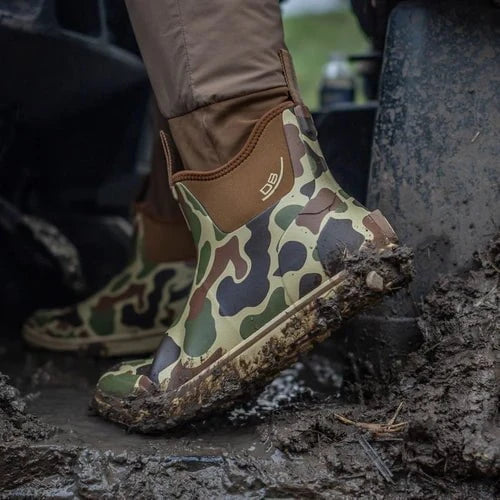
Advanced Gear for Hunting Boots
When it comes to hunting, selecting the right boots is as important as choosing the right firearm or camouflage. For hunters navigating rugged terrain, facing unpredictable weather, and covering significant distances, the quality and features of their footwear matter greatly. Over the years, hunting boot technology has advanced, offering hunters superior comfort, durability, and performance. Here, we’ll explore what sets advanced hunting boots apart, the materials and features to look for, and how to choose the best boots for your hunting needs.
Key Features in Advanced Hunting Boots
Advanced hunting boots are designed with a range of features that enhance comfort, durability, and performance in the field. Comfortable boots are essential for prolonged wear during long hunts.
Insulation – Insulated boots are essential for hunting in cold weather, keeping your feet warm over extended periods. Insulation is typically measured in grams. For mild conditions, 200-400 grams is usually sufficient, while 800 grams or more is ideal for frigid temperatures.
Waterproofing – A reliable waterproof design is critical, as wet feet can quickly end a hunt. Many boots feature waterproof membranes that create a barrier against water but still allow moisture to escape. This feature is key for keeping feet dry both from external moisture and internal perspiration.
Breathability – Quality hunting boots focus on breathability to manage moisture and regulate temperature. Breathable materials can help reduce sweating, prevent blisters, and keep feet dry, which is particularly useful in warm or humid conditions.
Ankle Support – Ankle support is essential when navigating uneven terrain or carrying heavy equipment. High collars, sturdy materials, and reinforced ankle sections provide stability, helping to prevent injuries and ensuring a secure fit.
Traction – The soles of advanced hunting boots are designed for traction across different types of terrain. Specialized soles use tread patterns and rubber compounds to grip surfaces like mud, rocks, and wet ground, allowing hunters to move confidently without slipping.
Materials in Modern Hunting Boots
The materials used in hunting boots play a significant role in comfort and durability. Today’s advanced hunting boots use a variety of high-quality materials to withstand challenging conditions.
Full-Grain Leather – Full-grain leather is highly durable and resistant to wear, making it a popular choice for hunting boots. Leather boots mold to your feet over time, providing a customized fit. While they may take time to break in, leather boots are long-lasting and can often be waterproofed for extra protection.
Synthetic Materials – Many modern hunting boots incorporate synthetic materials like nylon, which enhance flexibility and breathability. Synthetic materials are ideal for hunters seeking lightweight options that dry faster than leather, making them suitable for wet or humid environments. The light weight of these materials also enhances comfort during long hunts.
Waterproof Membranes – Waterproof membranes are commonly used in advanced hunting boots. These materials prevent water from entering the boot while allowing perspiration to escape, keeping feet dry and comfortable in wet conditions.
Rubber – Rubber boots are essential for hunting in swampy or marshy areas. They provide full waterproofing and protect against mud and water. Many high-end rubber boots also feature insulation and odor-resistant treatments for additional comfort.
Different Boot Designs for Various Hunting Conditions
Different types of hunting environments call for specific boot designs. Evaluating various options can help you find great boots that meet your specific needs. Understanding the right boot for your hunting conditions helps ensure comfort and performance.
Upland Hunting Boots – Upland boots are designed for lighter hunting in milder climates. They’re generally lightweight, with moderate ankle support and limited insulation, making them suitable for active hunts in warmer conditions.
Big Game Hunting Boots – These boots offer more insulation, support, and durability, built for rugged terrain and prolonged wear. They typically feature heavy-duty soles and reinforced uppers for additional protection, ensuring they can withstand tough outdoor conditions.
Waterfowl Hunting Boots – Waterfowl hunters require fully waterproof boots that can handle wet environments. Rubber boots are ideal for these conditions, as they offer complete waterproofing and insulation for warmth in colder water.
Mountain Hunting Boots – Mountain hunting demands boots with exceptional ankle support and aggressive traction. These boots are constructed for steep and rocky terrain, providing stability and reducing the risk of slipping.
Choosing the Right Hunting Boots
Choosing the right pair of hunting boots ensures comfort and minimizes fatigue during hunts. Finding a good boot involves considering factors like fit, insulation, and waterproofing. Keep these factors in mind when selecting a pair.
Understanding your hunting environment is essential, as it influences the features you’ll need. Consider the terrain, weather, and the duration you’ll be wearing them. Fit is also critical; the right fit can prevent blisters and ensure all-day comfort. Make sure there’s enough room for thick socks if you’ll be hunting in cold weather, but not so much space that your foot slides around. Be prepared for a break-in period, particularly with leather boots. Wearing them on short outings before a hunting trip can help you assess their comfort. The weight of your boots also plays a role, as lightweight boots are ideal for active hunting, while heavier options offer more support for colder or rougher conditions. Lastly, caring for your boots properly after each hunt, including cleaning and drying them, can significantly extend their lifespan.
Know Your Size & Boot Fit
Choosing the right size and fit for your hunting boots is crucial for a comfortable and successful hunting experience. Here are some tips to help you get the perfect fit:
-
Measure Your Feet: Start by taking precise measurements of your feet. Visit a local store to get an accurate measurement, as this will ensure you’re selecting the correct size. Remember, your feet can change size over time, so it’s worth re-measuring if it’s been a while.
-
Consider the Width: The width of the boot is just as important as the length. Make sure the boot is wide enough to accommodate your foot comfortably without being too loose. A boot that’s too narrow can cause discomfort and blisters.
-
Think About the Toe Box: A roomy toe box is essential for comfort, especially during long hunts. It allows your toes to move freely and helps prevent blisters and other foot issues. Make sure there’s enough space to wiggle your toes without feeling cramped.
-
Don’t Forget About the Heel: A snug heel fit is crucial for preventing blisters and ensuring a comfortable fit. Your heel should stay in place without slipping as you walk. This helps maintain stability and reduces the risk of blisters.
-
Try Them On with Socks: When trying on hunting boots, wear the same type of socks you plan to use while hunting. This ensures a more accurate fit and helps you gauge how the boots will feel during actual use. Wool socks are a popular choice for their warmth and moisture-wicking properties.
-
Break Them In: Before heading out on a hunt, break in your new boots by wearing them on short walks or hikes. This helps the boots conform to your feet and reduces the risk of blisters and discomfort during your hunt. Leather boots, in particular, benefit from a break-in period to achieve a customized fit.
Price & Value
When it comes to hunting boots, you get what you pay for. While it may be tempting to opt for a cheaper pair, investing in high-quality boots can make all the difference in your hunting experience. Here are some factors to consider when evaluating the price and value of hunting boots:
-
Quality of Materials: High-quality materials, such as full-grain leather, contribute significantly to the durability and performance of hunting boots. Full-grain leather is known for its toughness and ability to mold to your feet over time, providing a customized fit. Investing in boots made from premium materials ensures they will withstand the rigors of hunting.
-
Waterproofing: A waterproof boot is essential for hunting in wet conditions. Look for boots with a waterproof membrane which prevents water from entering while allowing moisture to escape. This keeps your feet dry and comfortable, even in the wettest environments.
-
Insulation: Insulated boots are crucial for cold weather hunting. High-quality insulation provides warmth without adding excessive bulk. The right level of insulation depends on the hunting conditions, with heavier insulation needed for extremely cold weather.
-
Ankle Support: Excellent ankle support is vital for preventing twists and sprains, especially when navigating uneven terrain. Look for boots with reinforced ankle sections and high collars that provide stability and support. This is particularly important for mountain boots and other rugged hunting environments.
-
Durability: A durable boot will last longer and provide better performance over time. Look for features like reinforced stitching, high-quality materials, and robust construction. Durable boots are an investment that pays off by enduring multiple hunting seasons and maintaining their performance.
By considering these factors, you can ensure that you’re investing in a pair of hunting boots that offer the best value for your money. High-quality boots not only enhance your comfort and performance but also provide long-term durability, making them a worthwhile investment for any serious hunter.
Maintaining Advanced Hunting Boots
To get the most out of your hunting boots, proper care and maintenance are key.
Cleaning your boots after every hunt removes dirt and prevents material degradation. Use a soft brush and warm water, avoiding harsh chemicals that could damage the waterproofing. When drying, allow them to air dry naturally; stuffing newspaper inside can help absorb moisture without deforming the boot. Avoid placing boots near heat sources, as this can damage the materials and adhesives. Leather boots benefit from regular conditioning, which keeps them supple and waterproof. Conditioning helps prevent cracking and allows leather boots to conform to your feet over time. Lastly, storing your boots properly in a cool, dry place and avoiding placing heavy items on top of them helps retain their shape and extends their longevity.
Conclusion
A quality pair of hunting boots is one of the most valuable investments a hunter can make. Advances in materials and design have made today’s hunting boots more comfortable, durable, and tailored to specific hunting environments than ever before. By selecting the right boots, suited to the conditions of your hunt, you can significantly enhance your hunting experience, staying focused on the outdoors and minimizing any distractions. The right pair of boots can make all the difference, so take the time to consider the options, materials, and maintenance required to ensure a reliable fit that lasts season after season.
FAQs
How much insulation is recommended for insulated boots?
The right amount of insulation depends on the hunting environment. Light insulation of 200-400 grams is sufficient for mild climates, while heavier insulation of 800 grams or more is best suited for very cold conditions.
What should I look for in waterproof rubber boots?
Look for boots with waterproof membranes that prevent moisture from entering while still allowing breathability. This combination keeps your feet dry from external water and internal perspiration.
How can I keep my hunting boots fresh?
Regular cleaning and thorough drying, especially with odor-resistant insoles or liners, can help maintain freshness. Leather boots, when properly cared for, are naturally more resistant to odors.
Can full grain leather boots handle wet environments?
Leather boots treated with waterproofing can handle moisture, but for marshy or swampy environments, fully waterproof rubber boots may offer better protection.
Do hunting boots need to be broken in?
Yes, particularly leather boots, which benefit from a short break-in period. Wearing them on short walks helps mold the boots to your feet, reducing discomfort during the hunt.
Are lightweight boots suitable for all hunting conditions?
Lightweight boots are ideal for active hunting in mild climates, but for colder or rougher conditions, heavier boots with added support and insulation are better.
How often should I waterproof my hunting boots?
This depends on frequency of use and exposure to moisture. Reapply waterproof treatments every few months or whenever the boots show signs of reduced water resistance.
What’s the best method for drying wet boots?
Allow them to air dry with newspaper stuffed inside to absorb moisture. Avoid using direct heat, which can damage materials and weaken adhesives.
Are different boots needed for upland and waterfowl hunting?
Yes, upland hunting boots focus on breathability and mobility, while waterfowl hunting requires rubber boots for complete waterproofing in wet conditions. Hunters who spend extended periods in a tree stand need durable and insulated footwear to stay warm and comfortable.
How can I extend the life of my hunting boots?
Clean and dry them thoroughly after each hunt, condition leather as needed, and store them in a cool, dry place. Taking these steps helps preserve your boots and ensures they perform well for years.