


Introduction to Ambush Hunting
Ambush hunting is a stealthy and effective way to catch big deer off guard, requiring patience, skill, and a deep understanding of deer movement. As a western hunter, knowing the habits and patterns of deer in their natural habitat is crucial for a successful ambush. This method involves setting up in a strategic location, such as a food source or trail, and waiting for deer to come to you, allowing for a close-range shot.
The desert floor can be a challenging but rewarding environment for ambush hunting, with its unique landscape and abundant wildlife. To increase the chances of success, hunters should remain quiet and still, avoiding any movement that might spook their prey, and wait for the right moment to take a shot. The ambush spot should be carefully chosen, taking into account factors such as wind direction, cover, and visibility, to ensure a successful hunt.
Experienced hunters know that the biggest bucks often require a well-planned ambush, using tactics such as glassing and scouting to track their movements. By understanding deer behavior and patterns, hunters can set up an effective ambush in the same spot where deer are likely to return, increasing their chances of success. Ambush hunting requires a deep understanding of the deer’s habitat and behavior, including their food sources, water sources, and bedding areas. With the right strategy and equipment, ambush hunting can be a thrilling and rewarding experience, allowing hunters to get up close and personal with their prey.
Why Ambush Hunting Works
Ambush hunting has been a time-tested tactic for taking big game. It relies on patience, planning, and understanding animal behavior rather than covering ground or reacting quickly. The idea is simple—pick the right spot, blend into the surroundings, and wait. When done correctly, it allows hunters to intercept animals moving naturally through their environment without alerting them. This method is especially effective in areas with limited visibility, defined travel routes, or when game is pressured and wary.
Scouting and Location Selection
The success of an ambush hunt starts well before you enter the woods. Scouting is key. You need to know where game animals feed, bed, and travel. Look for trails, rub lines, droppings, and natural funnels. Food sources like mast trees, agricultural edges, or watering holes often make great spots. Bedding areas connected by tight corridors also make prime setups. Topographical features like saddles, benches, and creek crossings are natural travel routes that can place game right in your lap. Trail cameras can help confirm patterns before you commit to a site.
Understanding Deer Movement
Deer movement is influenced by a variety of factors, including food availability, water sources, and predator avoidance, making it essential for hunters to understand these patterns. By studying deer movement, hunters can anticipate where and when deer will be in a particular area, allowing them to set up an effective ambush. Deer are creatures of habit and tend to follow established trails and patterns, making it easier for hunters to track and predict their movements.
The rut, or mating season, is a time of increased deer movement, as bucks search for does and establish dominance, providing hunters with opportunities for ambush. Wind direction and speed can also impact deer movement, with deer often using the wind to their advantage, making it crucial for hunters to consider these factors when setting up an ambush. Hunters should be aware of the different types of deer movement, including feeding, bedding, and traveling, to increase their chances of success.
By understanding deer movement, hunters can set up an ambush in the right place at the right time, increasing their chances of catching a big buck off guard. Deer movement can be influenced by human activity, such as hunting and hiking, making it essential for hunters to be aware of their surroundings and avoid spooking their prey. The use of trail cameras and other technology can help hunters track and understand deer movement, providing valuable insights for ambush hunting. By combining knowledge of deer movement with effective ambush tactics, hunters can increase their chances of success and enjoy a thrilling hunting experience.
Wind, Thermals, and Scent Control
No matter how well you’ve scouted, your ambush setup is useless if the wind’s wrong. Big game animals live and die by their nose. Understanding prevailing wind patterns and thermal currents—especially in hilly or mountainous terrain—is essential. Morning thermals often carry scent downslope, while warming temperatures later in the day cause air to rise. Always approach and set up with wind in your favor, and be disciplined about scent control. Showering with scent-free soap, storing clothes in sealed containers, and using scent-eliminating sprays can all help, but proper wind direction is non-negotiable. Ensuring you can draw your bow without being detected is crucial for a successful shot.
Choosing the Right Ambush Spot
Once you’ve identified a general area, narrow down your exact location based on visibility, shooting lanes, and cover. You need to be close enough for a clean shot but far enough that animals don’t spot or smell you first. Natural cover like brush piles, fallen logs, or thickets can work, or you can use a ground blind or treestand depending on terrain. Treestands offer better visibility and help with scent control, while ground blinds provide more concealment and mobility. Set up in a way that minimizes your silhouette and movement while keeping your shooting position comfortable and efficient to increase your chances of a successful kill.
Early Season Hunting Strategies
Early season hunting can be a great time to catch big deer, as they are often more active and less wary of humans, making it easier to set up an effective ambush. Hunters should focus on food sources, such as crops and mast, where deer are likely to be feeding, and set up an ambush in a strategic location. The early season is also a good time to hunt deer in areas with abundant water sources, such as streams and lakes, where deer are likely to be drinking and cooling off.
Hunters should be aware of the deer’s summer patterns and habits, and use this knowledge to set up an effective ambush in the early season. The use of bows and other archery equipment can be particularly effective in the early season, allowing hunters to get close to their prey and take a shot at close range. Early season hunting often requires patience and persistence, as deer can be unpredictable and elusive, making it essential for hunters to remain quiet and still.
Hunters should also be aware of the potential for heat and drought in the early season, and take steps to stay cool and hydrated while hunting. The early season is a great time to hunt deer in areas with abundant cover, such as trees and brush, where deer can be ambushed effectively. By using effective early season hunting strategies, hunters can increase their chances of success and enjoy a thrilling hunting experience. Whether hunting with a bow or rifle, the early season offers a unique set of challenges and opportunities for hunters, requiring skill, patience, and knowledge of deer behavior and patterns.
Timing and Patience
Ambush hunting rewards those who can sit still and wait. Early mornings and late afternoons are typically best, but midday movement can also surprise you, especially during the rut or when pressure pushes animals into different routines. Give your setup time to work. It’s often better to commit to a good ambush spot for several hours—or even multiple days—than to keep bouncing around. Use natural activity windows to plan your sits, and be mentally prepared to stay quiet, alert, and ready.
Minimal Movement and Silent Setup
One of the biggest mistakes hunters make is getting fidgety or noisy while sitting in the stand. Sound carries in the woods, especially on calm days. Set up quietly, settle in early, and make as little noise as possible. That means turning off phone alerts, avoiding loud zippers or Velcro, and limiting shifting in your seat. Every unnecessary movement is a chance to blow your opportunity. Bring a comfortable seat, warm clothing, and whatever keeps you focused and patient.
Equipment Considerations
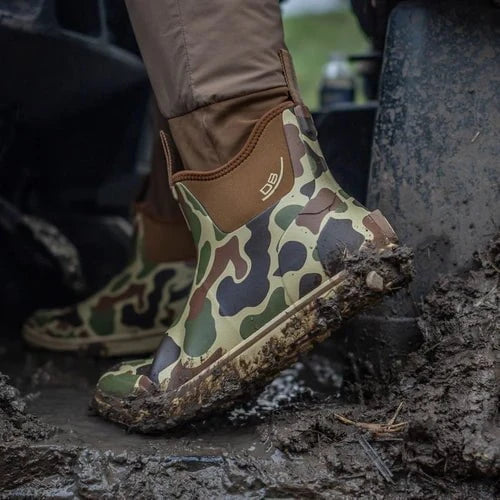
Your gear should match the terrain and the game you’re after. Choosing the right boots is crucial for comfort and stealth, ensuring you can move quietly and efficiently while stalking. If you’re rifle hunting, sight in at the expected distance and ensure your rest is solid. For archery, know your lanes and range each one beforehand. Binoculars help you scan silently, while rangefinders improve shot placement. Keep essential items close at hand and organized to avoid digging through your pack. In snowy or wet conditions, keep gear dry and functional with covers or waterproof containers. Practice setting up your blind or stand quickly and quietly before the season starts.
Reading Animal Behavior in the Field
Even when you’re tucked in and silent, keep an eye out for subtle movement and signs of life. Ears flicking, legs stepping through brush, or a sudden hush in the woods can signal approaching game. Once you’ve caught their attention, don’t wait for the perfect broadside pose—know your ethical shot angles and be prepared to act when the opportunity presents itself. Observing how animals behave as they move through your ambush zone also helps you learn and refine future setups.
Adapting When Things Don’t Go Right
Sometimes, even the best-laid ambush plans don’t work out. Shifting winds, unexpected pressure from other hunters, or changes in animal patterns can all ruin a setup. Don’t be afraid to move, but do so carefully. Note what went wrong and use that information to improve your next attempt. Flexibility is part of hunting. Every failed ambush teaches something useful if you’re willing to pay attention and adjust. Eventually, through patience and observation, you will achieve your hunting goals.
Conclusion
Ambush hunting for big game is about playing the long game. It’s a strategy rooted in preparation, patience, and awareness. When done right, it offers a quiet, focused, and often highly effective way to harvest game. Instead of chasing, you’re letting the woods come to you. For those willing to slow down and study the land, ambush hunting delivers both challenge and reward in equal measure, refining your skills for hunting proficiency and survival in the wild.
FAQs
What is ambush hunting?
Ambush hunting, or ambushing, involves setting up in a strategic location and waiting for game animals to come within range, rather than actively pursuing them.
How long should I stay in an ambush spot?
It depends on conditions, but staying put for at least a few hours is common. Some hunters commit full days to high-traffic areas during peak movement times, often returning to the same area repeatedly to better understand animal behavior and patterns.
What’s the best time of day for ambush hunting?
Early morning, late afternoon, and evenings are usually best, but midday can also be productive during the rut or in pressured areas.
Can you ambush hunt without a treestand or blind?
Yes. Natural cover like brush, logs, or terrain features can offer plenty of concealment if used correctly and with the wind in your favor. Positioning yourself strategically to blend into your surroundings allows you to hide effectively and ambush animals as they move through familiar routes.
How do I stay quiet during long sits?
Prepare ahead with comfortable gear, dress in layers, and limit unnecessary movement while sitting during the hunt. Bring quiet snacks, and keep your essentials within easy reach.