


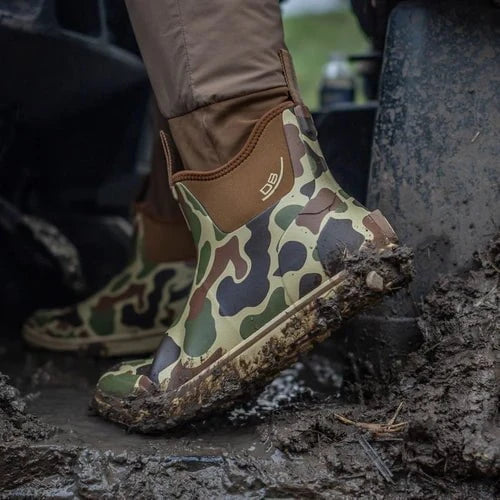
Maintaining Your Dive Bomb Gear
Proper care and maintenance of your Dive Bomb gear are essential for ensuring its longevity and performance in the field. Common mistakes, such as improper storage, cleaning, or incorrect techniques like dive bombing without the right setup, can compromise the durability and effectiveness of your gear. By understanding these pitfalls and how to avoid them, you can maximize your investment and keep your equipment in top condition.
Here are some of the most common mistakes to avoid when caring for Dive Bomb gear and tips for proper maintenance.
Understanding Dive Bomb Gear
Dive bomb gear is an essential tool for waterfowl hunters aiming to attract geese and other birds. This gear typically includes decoys, such as silhouette decoys or full-body decoys, designed to mimic the appearance of real geese. When set up correctly, these decoys create a realistic hunting scenario, often arranged in patterns that suggest a family group or a feeding flock.
When selecting dive bomb gear, hunters should consider several factors. The type of birds being targeted is crucial, as different species may respond better to specific decoy types. The terrain and vegetation of the hunting area also play a significant role. For instance, in regions with heavy snow cover, silhouette decoys are preferred for their visibility against a white background. Conversely, in open terrains, full-body decoys might be more effective due to their lifelike appearance.
Quality and durability are paramount when choosing dive bomb gear. Hunters should opt for equipment made from high-quality materials that can withstand the elements and heavy use. Additionally, ease of use and portability are important considerations, ensuring that the gear can be set up and transported with minimal hassle. By carefully selecting their dive bomb gear, hunters can create more convincing setups and improve their chances of a successful hunt.
Neglecting Regular Cleaning
Mistake: Allowing dirt, mud, or debris to build up on your gear. Over time, this can degrade materials and interfere with performance, especially when performing techniques like dive bombs.
Solution:
-
Clean gear after each use with a damp cloth or mild soap and water.
-
Allow it to air dry completely before storage to prevent mold and mildew.
Improper Storage
Mistake: Storing gear in damp or unprotected areas, leading to rust, mold, or material degradation, much like how improper deployment of dive brakes can prevent damage to aircraft during steep dives.
Solution:
-
Store gear in a dry, well-ventilated space away from direct sunlight.
-
Use storage bags or containers to protect gear from dust and moisture.
Overloading Gear Bags
Mistake: Overstuffing dry line bags or other storage systems, which can strain seams and closures, causing damage over time.
Solution:
-
Distribute weight evenly and avoid exceeding the bag’s recommended capacity.
-
Pack carefully, much like how pilots use a preset altitude to ensure accuracy in dive-bombing maneuvers, to minimize stress on zippers, buckles, and straps.
Skipping Inspections
Mistake: Failing to check gear for wear and tear, leading to small issues becoming major problems.
Solution:
-
Just like dive bombers need to ensure their equipment is in top condition before a mission, inspect gear regularly for signs of damage, such as tears, loose stitching, or worn straps.
-
Repair minor issues promptly using repair kits or professional services.
Using Harsh Cleaning Agents
Mistake: Cleaning gear with harsh chemicals that can damage waterproof coatings or weaken materials, much like how dive bombs can cause significant damage if not executed with precision.
Solution:
-
Use mild soap or cleaners specifically designed for outdoor gear.
-
Test cleaning solutions on a small area before applying them to the entire surface.
Not Reapplying Waterproof Coatings
Mistake: Ignoring the need to reapply waterproof treatments, especially after heavy use or prolonged exposure to the elements.
Solution:
-
Periodically reapply waterproof sprays or treatments to maintain water resistance, especially for diving gear.
-
Focus on seams, zippers, and high-wear areas where waterproofing may wear out faster.
Improper Handling in the Field
Mistake: Dragging or dropping gear on rough surfaces, which can lead to abrasions, punctures, or tears.
Solution:
-
Handle gear carefully, avoiding sharp or abrasive surfaces.
-
When you fly to dive destinations, ensure your gear is packed securely to prevent damage during transit.
-
Use protective liners or cases for added durability in rugged environments.
Overexposure to Sunlight
Mistake: Hey guys, leaving gear exposed to direct sunlight for extended periods can cause fading and material degradation.
Solution:
-
Store gear in shaded areas or cover it with a protective tarp when not in use.
-
Apply UV-resistant treatments to gear if prolonged exposure is unavoidable.
Ignoring Proper Packing Techniques
Mistake: Packing gear haphazardly, leading to damaged components or inefficient use of space. Many travelers prefer to pack efficiently to ensure their gear remains intact and to make the most of the available space.
Solution:
-
Roll or fold gear neatly to reduce stress on materials.
-
Use smaller compartments or pouches to organize gear and prevent items from shifting during transport.
Delaying Repairs
-
Mistake: Waiting too long to address small damages, allowing them to worsen with continued use.
-
Solution:
-
Carry a repair kit for field fixes, such as patches, adhesive, or replacement buckles.
-
Perform thorough inspections after each trip and repair any issues immediately.
-
Pre-Dive Checks and Maintenance
Before heading out into the field, performing pre-dive checks on your dive bomb gear is crucial to ensure everything is in optimal working condition. Start by inspecting the decoys for any signs of damage or wear. Check the anchors and stakes to ensure they are secure and capable of holding the decoys in place. Proper setup and arrangement of the gear are also essential to create a realistic and effective hunting scenario.
Regular maintenance is key to extending the life of your dive bomb gear and maintaining its performance. After each use, clean the decoys thoroughly to remove any dirt or debris. Proper storage is equally important; ensure the gear is dry before storing it in a cool, dry place to prevent mold and mildew. Regularly check for any damage or wear and make necessary repairs or replacements promptly.
By dedicating time to pre-dive checks and ongoing maintenance, hunters can ensure their dive bomb gear remains in top condition, leading to more successful and enjoyable hunting experiences.
Conclusion
Caring for your Dive Bomb gear properly involves avoiding common mistakes that can lead to unnecessary wear and damage. Regular cleaning, careful storage, and timely repairs are key to keeping your equipment in peak condition. By following these tips, you can ensure that your gear remains reliable and durable for many hunting seasons to come.
FAQs
How often should I clean my Dive Bomb gear?
Clean your gear after each use, especially if it’s been exposed to mud, water, or debris.
Can I machine wash my Dive Bomb gear?
No, most Dive Bomb gear should be hand washed with mild soap and water to avoid damaging the materials.
How do I repair a tear in my gear?
Use a repair kit with waterproof adhesive patches or heavy-duty fabric tape to fix tears quickly.
What’s the best way to store gear during the off-season?
Store gear in a dry, cool place away from direct sunlight. Use storage bags or containers to protect against dust and pests.
Do I need to reapply waterproofing treatments?
Yes, reapply waterproof coatings periodically, especially if you notice water no longer beads on the surface.