


Introduction to Hunting Apparel
Hunting apparel is a crucial aspect of a successful hunt, providing the foundation for a warm, dry, and comfortable experience. At the heart of this apparel is the base layer, which plays a pivotal role in regulating your body temperature and wicking moisture away from your skin. A well-chosen base layer ensures that you stay warm and dry, no matter the conditions. This foundation is essential for a prepared hunt, allowing you to focus on the task at hand without being distracted by discomfort. Whether you’re trekking through dense forests or waiting patiently in a treestand, the right base layer is crucial for maintaining peak performance throughout your hunting adventure.
The Foundation: Base Layers
No matter what you’re hunting or where, your base layer is the foundation of staying comfortable in the field. These layers sit next to your skin and are responsible for regulating body temperature and managing moisture. Synthetic fabrics and merino wool are top choices. Synthetics dry quickly and handle high-output hunts well, while merino wool offers superior insulation and odor control. In warmer weather, lightweight options keep you dry without overheating. As temperatures drop, mid- or heavyweight base layers help you retain body heat during long sits or high elevation hunts. Choose pieces that wick sweat, dry fast, and layer easily under insulating and outerwear systems.
Matching Camouflage to Your Environment
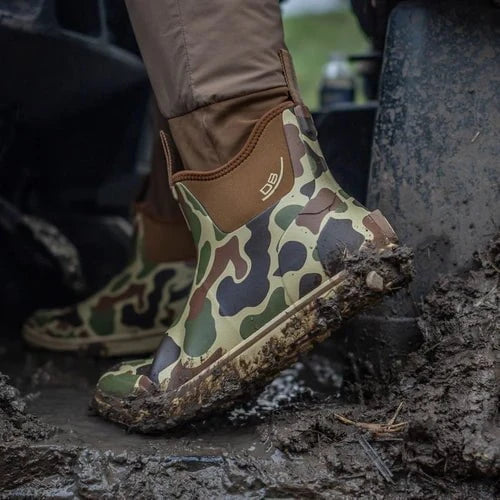
Camouflage should be chosen based on your surroundings, the animal you’re pursuing, and the time of year. Woodland patterns with greens and browns blend into hardwoods and early-season foliage. Marsh or grassland camo uses vertical lines and muted tans to match waterfowl blinds or prairie terrain. Snow camo is essential for late-season hunts in snowy landscapes. Some patterns are designed to disrupt your outline rather than mimic a specific setting, making them versatile across varied terrain.
If you're hunting from a blind, consider camo with darker tones and shadowed elements. For spot-and-stalk hunting, opt for patterns with more contrast and lighter colors that break up your shape in open country. The right camo doesn’t make you invisible, but it does help reduce movement detection and draw less attention in critical moments.
Layering Around Your Camo
Your base layer and camouflage don’t work alone—they’re part of a larger clothing system. In cool to cold conditions, add mid-layers like fleece or grid-pattern insulation that trap heat while breathing. Your camo outer layer should be quiet and appropriate for the weather—water-resistant for damp hunts, windproof for open plains, or breathable for high-exertion days.
The key is building a system that fits your style of hunting. If you move a lot, lean toward breathable, stretch fabrics. If you sit for hours, prioritize insulation and wind resistance. Always avoid cotton, as it retains moisture and cools you down too fast once wet. Staying warm, dry, and scent-free is crucial to fill every tag, and advanced layering systems can significantly enhance your hunting performance.
Selecting the Best Hunting Gear
When it comes to selecting the best hunting gear, attention to detail is key. Start by considering the environment and type of hunt you’ll be embarking on. The fit and performance of your gear can make a significant difference in the field. Look for pieces that seamlessly integrate with your existing layers, ensuring that each item works together to keep you comfortable and focused. Pay close attention to the tags and details of each item, as these can provide valuable information about the gear’s suitability for different conditions. Choose colors and patterns that blend into your hunting environment, and prioritize gear that offers a high level of adaptability. By carefully selecting your hunting gear, you can ensure that you’re prepared for any situation, allowing you to stay out longer and increase your chances of a successful hunt.
Universal Tips for Any Hunt
Neutral colors or solid earth tones can work just as well as full camo in some situations, especially when paired with smart layering and minimal movement. Staying quiet, using natural cover, and reading the wind are more important than matching a pattern exactly. Gloves, hats, and face coverings should also match your chosen camo or blend into the surroundings.
Remember, gear comfort and performance outweigh style. Choose camo and base layers that let you stay out longer, move quietly, and adapt to changing weather without compromising focus.
Conclusion
Whether you're chasing elk in the high country, waiting out whitetails in a treestand, or calling predators in open brush, having the right base layers and camouflage matters. Build from the inside out with moisture-wicking fabrics, match your camo to your terrain, and think about your full layering system. When your gear works with you, it gives you the freedom to hunt harder and stay out longer—no matter what you're after.
FAQs
What’s the best material for base layers?
Merino wool and synthetic fabrics are top choices. They wick moisture, dry quickly, and provide insulation without bulk.
Does camo really matter?
Yes, especially when movement is involved. The right camo helps break up your outline and blend into the surroundings.
Can I wear solid colors instead of camo?
Yes, neutral earth tones can work well, especially if you remain still and use natural cover effectively.
How should I layer for changing weather?
Start with a moisture-wicking base, add an insulating mid-layer, and top it off with a weather-appropriate outer shell.
What camo pattern should I use?
Choose a pattern that matches your environment—wooded, marshy, snowy, or open country. Some patterns are designed to work well across multiple terrains.