


Pheasant hunting is a rewarding experience that combines skill, strategy, and a connection to nature. Known for their vibrant plumage and wily instincts, pheasants are challenging game birds that demand preparation and perseverance. For beginners, mastering the techniques and strategies of pheasant hunting is essential to making the most of your time in the field. By understanding their habits, choosing the right equipment, and employing effective tactics, you can enjoy a productive and exciting hunt.
Understanding Pheasants Behavior and Habitat
Learn Their Daily Routines
Pheasants have predictable patterns throughout the day. In the early morning, they leave their roosts in search of food, typically grains, seeds, or insects found in open fields or along the edges of cover. During midday, they often rest in dense vegetation before becoming active again in the late afternoon. Additionally, birds tend to circle before landing, which can complicate shooting if hunters wait until they land.
Identify Preferred Habitats
Pheasants thrive in a mix of agricultural fields, grasslands, and wetlands. Look for areas with tall grasses, brushy edges, and cornfields, as these provide the cover and food they need to survive. Transition zones between open fields and dense cover are especially productive hunting spots.
Recognize Weather’s Role
Weather conditions significantly impact pheasant behavior. On windy days, pheasants tend to seek shelter in thick cover, making them harder to spot. Sunny, calm days often encourage them to forage in open areas, increasing your chances of flushing them.
Equip Yourself for Success
Choose the Right Shotgun
For pheasant hunting, most hunters find a shotgun to be the most effective tool. Opt for a 12-gauge or 20-gauge model, as these offer a good balance of power and maneuverability. A modified or improved cylinder choke is often ideal for pheasant hunting, allowing for a broader shot pattern.
Select Appropriate Ammunition
Use ammunition with sufficient power to ensure a clean and ethical kill. Shot sizes between five and seven are commonly recommended for pheasants, offering the right balance of range and stopping power.
Wear Practical Clothing
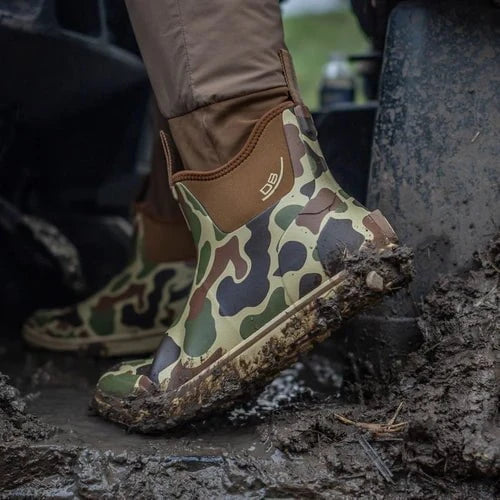
Camouflage or earth-tone clothing is essential to blend into the surroundings. Choose durable, weather-resistant gear that can withstand the rigors of walking through thick cover. Proper footwear, such as waterproof boots with good ankle support, is crucial for comfort and safety.
Carry Essential Accessories
-
A game vest with pockets for carrying pheasants and gear
-
A water bottle to stay hydrated during long hunts
-
Hearing and eye protection for safety
-
A GPS or map to navigate large hunting areas
-
A valid hunting license to ensure compliance with local regulations
Use Effective Hunting Strategies
Work the Edges
Pheasants often stay near the edges of fields, where they have access to both food and cover. Walking along these transition zones increases your chances of flushing birds while minimizing the risk of spooking them prematurely.
Coordinating with other hunters can also help cover more ground and increase the chances of flushing birds.
Hunt Into the Wind
By moving into the wind, you reduce the chances of birds detecting your scent and fleeing before you’re within range. This technique also helps your dog pick up the scent of pheasants more effectively.
Be Ready to React Quickly
Pheasants are known for their explosive takeoffs, making reaction time critical. Keep your shotgun at the ready and maintain a steady but alert pace as you move through the field.
Employ Hunting Dogs
Choose the Right Dog Breed
Certain breeds excel as pheasant dogs due to their instincts and abilities. Retrievers, pointers, and spaniels are popular choices, each offering unique advantages. Retrievers excel at bringing downed birds back to the hunter, while pointers and spaniels are skilled at locating and flushing birds.
Train Your Dog Properly
Invest time in training your bird dog before the season begins. Teach them to stay close, follow commands, and locate birds effectively. A well-trained dog is an invaluable asset in the field.
Work as a Team
Pay close attention to your dog’s body language during the hunt. When they stop, point, or act excited, it’s a clear indication that pheasants are nearby. Trusting your dog’s instincts can lead to more successful flushes and retrieves. A well-trained dog can quickly locate and retrieve a downed bird, ensuring it doesn't get lost in the field.
Master Shooting Techniques
Practice Before the Hunt
Spend time practicing at a shooting range to build your confidence and accuracy. Focus on shooting moving targets, as this simulates the real-life challenge of hitting a flushing pheasant.
Incorporate these pheasant hunting tips into your practice sessions to improve your accuracy and confidence.
Aim for the Head and Neck
Aiming for the head and neck ensures a clean kill while minimizing damage to the meat. Follow the bird’s flight path with your shotgun and squeeze the trigger smoothly when your target is aligned.
Avoid Ground Shots
Shooting at birds on the ground is not only unethical but also dangerous, as it increases the risk of injury to your hunting companions or dogs. Always wait for the bird to flush before taking your shot.
Hunt Smart and Safely
Plan Your Routes
Scout the area ahead of time to identify the most promising locations. Plan your route to cover as much ground as possible without doubling back or disturbing areas you’ve already hunted.
Use a Group Approach
Hunting with a group can increase your chances of success, as you can cover more ground and flush birds more effectively. Spread out in a line and maintain consistent communication to stay coordinated.
Group hunting is a common practice in upland bird hunting, providing safety and increased chances of success.
Follow Hunting Regulations
Adhere to all local hunting laws and regulations, including bag limits, season dates, and equipment restrictions. Respect private property and obtain permission before hunting on someone else’s land.
Many states require hunter education courses to ensure safety and ethical hunting practices.
Conclusion
Pheasant hunting offers a unique blend of excitement, skill, and camaraderie. By understanding pheasant behavior, equipping yourself with the right gear, and employing effective hunting techniques, you can set yourself up for a successful day in the field. Hunting dogs can enhance your experience and help you cover more ground, while practicing shooting and staying safe ensures a rewarding and ethical hunt. With preparation and persistence, pheasant hunting can quickly become one of the most enjoyable aspects of your outdoor adventures.
FAQs
What is the best time of day to hunt pheasants?
Pheasants are most active in the early morning and late afternoon, as these are their primary feeding times. Hunting during these periods increases your chances of encountering birds.
Do I need a dog for pheasant hunting?
While it is possible to hunt pheasants without a dog, a well-trained hunting dog significantly improves your chances of success. Dogs can locate and flush birds as well as retrieve them after the shot. South Dakota, known as the pheasant hunting capital, offers excellent opportunities for hunting with dogs.
How should I prepare for my first pheasant hunt?
Before your first hunt, practice shooting moving targets, familiarize yourself with the area, and ensure your gear is in good condition. Studying pheasant behavior and scouting the terrain can also improve your chances. Proper planning is essential for a successful pheasant hunting trip, including choosing the right equipment and timing.
What should I do if I miss a shot at a pheasant?
If you miss, stay calm and watch the bird’s flight path. It may land nearby, giving you another opportunity. Avoid rushing and focus on making a better shot next time.
How can I find good pheasant hunting locations?
Look for areas with a mix of agricultural fields, grasslands, and wetlands. Public hunting lands, conservation areas, and private land with permission can all provide excellent opportunities for pheasant hunting.
Few birds can match the beauty and excitement of rooster pheasants, making them a popular choice among hunters.