


Staying Comfortable and Concealed in the Blind
Geese are hunted in various regions and conditions, from the open fields of the Midwest to the wetlands of the South, requiring patience, stealth, and protection from the elements. Whether you’re tucked into a layout blind or crouched along a fenceline, your clothing must keep you warm, dry, and hidden without restricting movement. Field conditions are often cold, wet, and windy, so dressing with purpose is just as important as decoy setup or calling technique.
Base Layers: The First Step to Warmth
Begin with moisture-wicking base layers to regulate body temperature. Good insulation is crucial for maintaining warmth and comfort during cold weather activities. Choose synthetic or merino wool materials that move sweat away from the skin and keep you warm even if damp. Synthetic materials like polyester and nylon blends offer durability and moisture-wicking properties, making them ideal for base layers. A fitted long-sleeve shirt and thermal leggings provide a comfortable, low-bulk foundation. Avoid cotton, which traps moisture and loses insulation properties once wet.
Insulating Layers: Retaining Core Heat
Performance is crucial when selecting clothing for cold weather hunting. Insulating layers are essential for sitting still in frosty or wind-swept fields. The outer shell of your jacket plays a vital role in providing protection against the elements, often being made from water-resistant or waterproof materials to keep you dry in snowy conditions. A thick fleece or synthetic-insulated jacket adds warmth without too much bulk. Insulated bibs or pants offer added protection for your legs and are especially useful when kneeling or lying in the decoys. Consider a vest over your base or mid-layer to add extra core heat while keeping your arms mobile for shouldering a shotgun.
Outer Layers: Blocking Wind and Moisture
Key features of outerwear include windproof and waterproof properties, adjustable shoulder straps for comfort, and ample pockets for gear storage. Additionally, water-resistant materials are essential in outer layers to keep the wearer dry and maintain insulation effectiveness, especially in wet or snowy conditions. A heavy-duty parka with a camo pattern suited to field stubble or late-season cover will keep you concealed while protecting against cold winds and wet conditions. Choose pants or bibs made from the same materials with reinforced knees and seat areas for durability. Quiet fabric helps avoid spooking birds during movement.
Boots: Keeping Feet Warm and Dry
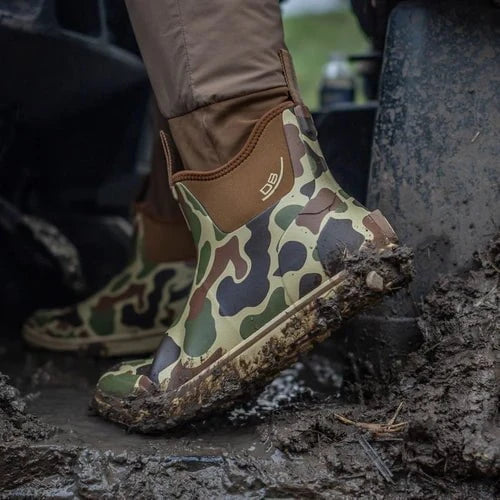
Cold feet can ruin a hunt quickly, so it's crucial to keep your feet dry. Rubber boots are particularly advantageous in wet and muddy conditions due to their superior waterproof protection and ease of cleaning compared to neoprene boots. Choose waterproof, insulated boots with at least 1,000 grams of insulation for late-season hunts. Rubber or neoprene boots work well in muddy conditions, while lace-up models offer more ankle support for walking to distant setups. Pair them with merino wool socks and consider using foot warmers for long sits.
Headwear, Gloves, and Accessories
A warm hat, such as a beanie or fleece-lined cap, is essential in hunting gear to keep heat from escaping. Hats help prevent heat loss by providing insulation and protection against harsh elements. A face mask or balaclava breaks up your outline and protects against windburn. For gloves, look for options that balance warmth with the ability to operate calls and trigger safely. Many hunters use thin liners under heavier mitts or rely on hand muffs with chemical warmers tucked inside. Sunglasses or tinted shooting glasses can help reduce glare on bright mornings. Dark colors can be effective for camouflage, especially when blending into shadows during dusk or dawn.
Eye and Ear Protection: Ensuring Safety and Comfort
When it comes to waterfowl hunting, ensuring your safety and comfort is paramount, and that includes protecting your eyes and ears. Snow goose hunting, in particular, demands attention to eye protection due to the potential for shotgun recoil and flying debris. Investing in high-quality, polarized sunglasses can significantly reduce glare from water and wet terrain, making it easier to spot snow geese against the sky.
For ear protection, consider using earplugs or earmuffs to prevent hearing loss from the loud gunshot noise. This not only protects your hearing but also allows you to continue enjoying your hunting experiences for years to come. Duck hunters should also consider the light conditions and choose eye protection that adapts to various weather conditions, such as amber or gray lenses, to enhance visibility.
A good pair of goggles or glasses can make a huge difference in protecting your eyes from wind, dust, and other debris, keeping you comfortable during long hunts. New hunters should prioritize eye and ear protection as part of their essential gear, along with breathable waders, waterproof bibs, and a reliable gun.
By wearing proper eye and ear protection, you can focus on your technique, such as using steel shot and layout blinds, to increase your chances of a successful hunt. The U.S. Fish and Wildlife Service recommends wearing eye and ear protection when hunting to prevent injuries and ensure a safe experience. Whether you’re hunting in the early season or late season, eye and ear protection is crucial for waterfowl hunters to stay safe and comfortable in various hunting situations.
Concealment Matters
Even the best gear won’t help if birds flare at the last second. Field camo patterns that match harvested crops or stubble provide effective cover and can break up outlines to help hunters remain concealed. Specific gear and techniques are crucial when hunting dark geese, especially during the late season. Some hunters go the extra step of adding natural vegetation to their clothing or layout blind. Avoid shiny materials or noisy fabrics that could give away your position. The more you blend in and stay still, the better your odds.
Dressing for All-Day Comfort
Goose hunting in fields often means long, cold mornings followed by periods of inactivity. It is crucial to stay warm during these long hunts to ensure comfort and effectiveness. Certain clothing items are the ideal choice for maintaining comfort due to their superior waterproof and breathable properties. Dress for the worst part of the day, and use a layering system that lets you shed or add gear as needed. Having the right clothing not only keeps you in the blind longer but helps you stay focused and ready when the birds commit.
FAQs
What kind of camo is best for field goose hunting?
Patterns that mimic corn, wheat, or grass stubble work best in open fields. Always match your gear to the terrain you’ll be hunting. Solid colors, especially in neutral or earth tones, can also be highly effective in various environments, providing versatility and serving as a good alternative to camo patterns.
How should I dress for late-season goose hunts?
Winter hunting presents unique challenges due to the cold, wet, and snowy environments. A reliable outer layer is crucial in these conditions, serving as the first line of defense by being waterproof, windproof, and breathable.
Use a layering system with thermal base layers, insulated outerwear, waterproof boots, and accessories like face masks and gloves to handle cold, wind, and wet conditions.
Do I need waterproof clothing for field hunting?
Yes, water-resistant and windproof gear is highly recommended to protect against morning dew, snow, or rain. The outer shell of such gear plays a crucial role in providing protection against wet conditions, ensuring that wearers remain dry and comfortable. Staying dry is key to staying warm.
What’s the best glove setup for calling and shooting?
Use thin gloves or glove liners for dexterity, and choose gloves with good insulation to keep your hands warm in cold weather. Certain gloves enhance performance during hunting by providing moisture-wicking properties and durability, ensuring comfort and functionality under various weather conditions. Keep your hands warm with mitts or hand muffs when not actively calling or shooting.
Are layout blinds warmer than sitting exposed?
Yes, layout blinds help block wind and prevent heat loss, especially when paired with an insulated pad or blanket underneath. The outer shell of these blinds is crucial as it is often made from water-resistant or waterproof materials, providing superior protection against the elements during extreme cold weather.