


Introduction to Raccoon Hunting
Raccoon hunting, also known as coon hunting, is a popular outdoor activity that involves tracking, chasing, and catching raccoons, which are primarily nocturnal animals. This challenging and exciting pursuit requires a great deal of skill, patience, and knowledge of the animal’s behavior and habitat. Experienced coon hunters use a variety of techniques, including hunting with dogs, to catch raccoons, which are highly valued for their fur and meat.
Coon hunting is often done at night when raccoons are most active, making it a fun and rewarding experience for hunters of all ages and skill levels. Whether you’re a seasoned deer hunter or just starting out, coon hunting can be a great way to enjoy the outdoors and challenge yourself in a new and exciting way. With the right equipment, training, and knowledge, anyone can become a successful coon hunter and enjoy the many rewards that this sport has to offer.
How Weather Affects the Chase
Raccoon hunting with hounds is a tradition that relies as much on weather conditions as it does on good dogs and patience. Cooler nights significantly affect raccoon movement, particularly during the changing seasons. Hunters have noticed the impact of weather conditions on raccoon activity, noting how temperature, wind, and rainfall influence when raccoons are active. Every seasoned hunter knows that certain nights just feel right for a hunt, and more often than not, those feelings line up with specific weather patterns. Raccoons are nocturnal and cautious by nature, and the environment shapes when and how they move. Whether you’re running hounds through hardwoods, creek bottoms, or crop edges, understanding the best conditions can stack the odds in your favor.
Temperature and Thermal Movement
Cool, stable nights are often ideal for running hounds. Raccoon activity increases around crops and gardens during the fall season, particularly due to the harvest. Raccoons tend to move more in mild temperatures, particularly when it’s neither too hot nor too cold. On warmer nights, they’ll often delay their movement until later in the evening, waiting for the temperature to drop. In cold conditions, especially when temperatures dip below freezing, raccoons may stay holed up in dens unless they’re hungry enough to risk the chill. The best action tends to happen when temps hover in the mid-range, especially after a few nights of weather extremes. This is when raccoons need to feed and feel safe enough to roam, and they tend to lay up before and after cold fronts.
Wind and Scent Carry
Wind can either help or hinder your hunt depending on its strength and direction. A light breeze helps carry the raccoon’s scent, allowing hounds to pick up a track quickly and stay on it. The dogs' strong sense of smell is crucial in tracking raccoons effectively. Wind conditions can also affect the ability to follow raccoon tracks, as gusty or swirling winds can scatter scent or make it harder for dogs to lock in on a direction. On windy nights, raccoons are also less likely to venture far from cover, relying on tight woods or creek banks for security. For hound handlers, paying attention to wind patterns can help decide where to cast dogs and which terrain to focus on. Calm nights or those with a steady, light wind are usually the most productive.
Rain and Ground Moisture
Wet ground holds scent better than dry, dusty soil. A light rain earlier in the evening can dramatically improve scent conditions for hounds. Hunting in deep snow during winter months presents unique challenges, as navigating through deep snow can be difficult. Even moisture from a heavy dew or a humid night can help. However, heavy rain during the hunt can dampen the chase in more ways than one. Raccoons may limit their movement, and hounds can struggle to follow a track through standing water or saturated leaf litter. That said, hunting after a rainstorm often yields good results. Raccoons come out to forage once the skies clear, and the improved scenting conditions, similar to those in snow, make for easier tracking.
Moonlight and Visibility
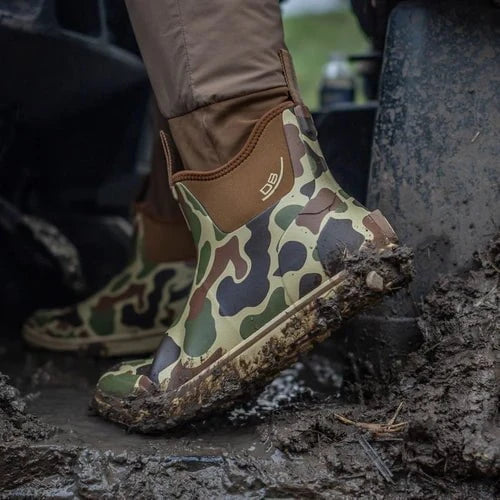
The amount of moonlight can influence how comfortable raccoons feel moving around. During the day time, raccoons often hunker down in sheltered areas such as hay barns, hollow tree trunks, or underground burrows. On dark nights with little or no moon, raccoons tend to roam more freely, relying on the cover of darkness. On bright, moonlit nights, especially when there’s little cloud cover, they often stick to thick brush or delay movement until later in the night. For hunters, darker nights tend to produce more action earlier in the evening, while full moon conditions may push activity past midnight. Cloud cover can soften the impact of moonlight and create a more consistent hunting window, even during the fuller phases. Additionally, hunters should be cautious of potential hazards like falls during nighttime hunts, emphasizing the importance of wearing appropriate footwear to prevent slips and falls in various terrains.
Barometric Pressure and Feeding Habits
Raccoons respond to changes in barometric pressure much like other game animals. Hunters have noticed changes in raccoon behavior with barometric pressure changes, particularly how a falling barometer, especially ahead of a front, often triggers more movement. Raccoons will feed heavily before a storm hits, making the night before a weather change a prime time to turn out the hounds. Once the front passes and the pressure rises again, movement can drop off as animals hunker down and rest. Watching the weather forecast and noting when pressure is falling can help plan which nights to get out and run. There is hope for better cooperation among hunters and landowners for effective wildlife management, ensuring that raccoon populations are controlled and hunting practices are optimized.
Seasonal Considerations
During the early season, warm nights can still produce action, but as the season wears on and temperatures drop, raccoon behavior shifts. Hunters often prepare for weeks in advance for the hunting season to ensure they are ready for these changes. In colder months, raccoons may reduce movement to conserve energy, particularly during long stretches of bad weather. However, any warming trend, even a brief one, often leads to a flurry of movement as raccoons take advantage of the break to feed. Breeding season in late winter can also increase activity, as boars travel more in search of receptive females. Raccoons are primarily hunted at night due to their nocturnal nature. Matching your efforts to these seasonal cues helps line up your best hunts.
Choosing the Right Location
When it comes to coon hunting, choosing the right location is crucial for success. Raccoons are found in a variety of habitats, including forests, wetlands, and agricultural areas. Coon hunters should look for areas with abundant food sources, such as sweet corn, nuts, and fruits, as well as access to water and den trees. Western PA is known for its excellent coon hunting, with many hunters reporting success in the state’s wooded and rural areas.
Coon hunters should also consider the time of year, as raccoons are more active during certain seasons, such as the winter months when they are more likely to be found in dens and other sheltered areas. By choosing the right location and timing your hunt carefully, you can increase your chances of success and have a more enjoyable and rewarding coon hunting experience. It’s also important to consider the laws and regulations in your area, as well as any private property restrictions, before heading out on a coon hunt.
Coon Hunters’ Equipment
Coon hunters use a variety of equipment, including dogs, guns, and traps, to catch raccoons, which are highly valued for their fur and meat. A good coon dog is essential for successful coon hunting, as they are trained to track and tree raccoons, allowing hunters to follow and catch them. Coon hunters also use a variety of other equipment, such as hunting lights, treeing sticks, and catch poles, to help them locate and catch raccoons.
The right equipment can make a big difference in the success of a coon hunt, and experienced hunters often have a range of gear at their disposal. From guns and ammunition to dogs and traps, coon hunters need to be well-equipped to take on the challenges of this exciting and rewarding sport. Whether you’re a seasoned coon hunter or just starting out, having the right equipment can help you to succeed and enjoy the many rewards that coon hunting has to offer.
Training a Coon Dog
Training a coon dog is a critical part of coon hunting, as these dogs are trained to track and tree raccoons, allowing hunters to follow and catch them. Coon dogs are bred and trained to have a strong prey drive and to be able to follow the scent of raccoons, which can be challenging to track. Experienced coon hunters use a variety of techniques to train their dogs, including positive reinforcement and repetition, to help them develop the skills they need to succeed.
Training a coon dog takes time and patience, but the rewards are well worth the effort. A well-trained dog can be a valuable asset on a coon hunt. From puppyhood to adulthood, coon dogs need to be trained and socialized to become effective hunting companions, and experienced hunters often start training their dogs at a young age. With the right training and care, a coon dog can become a loyal and trusted companion, and a valuable asset for any coon hunter.
Safety Precautions
Coon hunting can be a safe and enjoyable activity, but it’s essential to take certain safety precautions to minimize the risk of injury or accident. Hunters should always wear protective clothing, including blaze orange, and use caution when handling guns and other equipment. Coon hunters should also be aware of their surroundings and take steps to avoid accidents, such as falling from trees or being bitten by dogs.
It’s also essential to follow all relevant laws and regulations, including those related to hunting and firearms, to ensure a safe and successful coon hunt. Experienced coon hunters know that safety should always be the top priority and take steps to minimize risks and ensure a fun and rewarding experience for all involved. By taking the necessary safety precautions and being aware of the potential risks, coon hunters can enjoy this exciting and rewarding sport while minimizing the risk of injury or accident.
Ideal Terrain and Conditions Mix
Some terrains naturally hold raccoons better than others. Thick river bottoms, overgrown fields, orchards, and hardwood draws offer both food and cover. Raccoons are particularly attracted to areas with frogs as a food source. Pairing good terrain with favorable weather gives you the best chance at a productive night. Look for areas with water sources and evidence of recent feeding. If you know rain just passed through and the temperature is climbing again, those areas will likely be crawling with activity. Add in good scent conditions and low wind, and the odds start tilting in your favor fast. When choosing hunting locations, it's important to consider the impact on other wildlife to ensure ethical and sustainable practices.
Dog Performance in Changing Conditions
Hound performance is tightly linked to the environment. Trained dogs bark when they locate a raccoon in a tree, helping hunters identify the animal's whereabouts. Cool, damp nights tend to be easier on their feet and noses, allowing them to work longer and more accurately. Hot or dry conditions lead to dry scent trails and quicker fatigue. Wet ground improves track retention but can also tire out dogs faster if it’s muddy or slick. Experienced handlers learn to read both the dogs and the weather, adjusting their expectations and hunt timing based on how the conditions are shaping up. The implications of hounds running year-round on hunting regulations are significant, as it might disturb landowners and lead to conflicts, influencing the management of raccoon populations and the existing laws surrounding hunting seasons.
Conclusion
Raccoon hunting with hounds is as much about reading the weather as it is about reading the dogs. The best nights to hunt raccoons usually feature cool temperatures, light wind, moist ground, and limited moonlight. These conditions improve scent trails and encourage raccoon movement, giving your hounds the best chance to find and run a track. Weather patterns, such as temperature, wind, and precipitation, significantly impact the ability to successfully tree coon. Watching forecasts and paying attention to barometric pressure, moon phases, and recent rainfall gives you the edge in planning a successful hunt. When everything lines up just right, the chase that follows can be one of the most exciting and rewarding experiences in the woods.
FAQs
What weather is best for raccoon hunting with hounds
Cool, damp nights with light wind and little moonlight are generally ideal for tracking and encouraging raccoon movement. Cooler nights, in particular, significantly affect raccoon activity. As temperatures drop, raccoons become more active, responding to the cooler conditions and the approach of winter by foraging heavily in crop fields and around acorns.
Do raccoons move more before a storm
Yes, hunters have noticed that raccoons often feed heavily before a front moves in, making the night ahead of a storm a prime hunting window.
Does wind affect a hound’s ability to track
Strong or shifting winds can scatter scent and make tracking harder, as they can disrupt the dogs' sense of smell. Light wind or calm conditions are usually better.
Are full moon nights bad for coon hunting
Not necessarily, but raccoons may delay movement or stick to heavier cover when visibility is high. Cloud cover can help improve results. However, hunters should be cautious of potential hazards such as falls during nighttime hunts. Wearing appropriate footwear can help prevent slips and falls, especially in various terrains encountered during the hunting experience.
How does rain impact raccoon hunting
Light rain or damp conditions improve scenting for hounds. Heavy rain during the hunt can reduce movement and make tracking more difficult. Similarly, hunting in deep snow during the winter months presents its own set of challenges. Navigating through deep snow can be strenuous, and hunters often use snowshoes to travel effectively.