


Introduction to Night Hunting
Night hunting can be a thrilling and rewarding experience, but it requires careful preparation and the right gear. One of the most critical components of a successful night hunt is a well-designed layering system. This system should include a base layer, mid-layers, and an outer layer, each made from materials that provide warmth, breathability, and moisture-wicking properties. Merino wool is an excellent choice for base layers, as it is soft, breathable, and provides excellent thermal regulation. Synthetic materials, such as polyester and nylon, can also be used for base layers, offering faster drying times and lower costs. When choosing a base layer, consider the temperature and humidity of your hunting environment, as well as your personal preferences for warmth and comfort.
Understanding Layering Systems
A layering system is designed to provide versatility and adaptability in changing weather conditions. The base layer, typically made from merino wool or synthetic materials, is worn next to the skin and helps to regulate body temperature. Mid-layers, such as fleece or synthetic insulation, provide added warmth and can be easily added or removed as needed. The outer layer, often a waterproof and breathable membrane, protects against wind, rain, and snow. By combining these layers, hunters can create a system that is tailored to their specific needs and the conditions they will be hunting in. For example, in cold weather, a hunter may wear a merino wool base layer, a fleece mid-layer, and a waterproof outer layer to stay warm and dry. In warmer weather, they may opt for a lightweight synthetic base layer and a breathable outer layer.
Mid-Layers for Added Warmth
Mid-layers are a crucial component of a layering system, providing added warmth and insulation in cold weather. Fleece, synthetic insulation, and down-filled layers are popular choices for mid-layers, offering a range of warmth and weight options. When selecting a mid-layer, consider the activity level and duration of your hunt, as well as the temperature and humidity of your environment. For example, a hunter who will be actively moving during their hunt may prefer a lightweight, breathable mid-layer, while a hunter who will be sitting for long periods may prefer a warmer, more insulating mid-layer. Merino wool mid-layers are also an excellent option, providing natural temperature regulation and moisture-wicking properties.
Outerwear and Fabric Considerations
Choose jackets and pants that are breathable yet warm, with soft, brushed finishes that don’t make noise. Avoid Velcro, noisy zippers, or stiff outer shells that crackle in the cold. Thermal devices won’t be affected by camo or color, but wearing low-reflectivity fabrics reduces the chance of flashing light off a scope or accessory. Earth tones or matte black are good choices.
Camouflage and Concealment
Camouflage and concealment are critical components of a successful hunt, allowing hunters to remain hidden and unnoticed by their prey. When choosing camouflage patterns, consider the terrain and environment you will be hunting in, as well as the time of day and lighting conditions. Digital camo patterns, such as those featuring leaves and branches, can be effective in wooded environments, while solid colors and textures may be more suitable for open fields and grasslands. In addition to camouflage patterns, hunters should also consider the color and texture of their clothing and gear, opting for muted, natural tones that blend in with the surroundings. Face masks, gloves, and hats can also be used to conceal the hunter’s face and hands, reducing the visibility of their skin and helping them to remain hidden.
Boots for Night Hunts
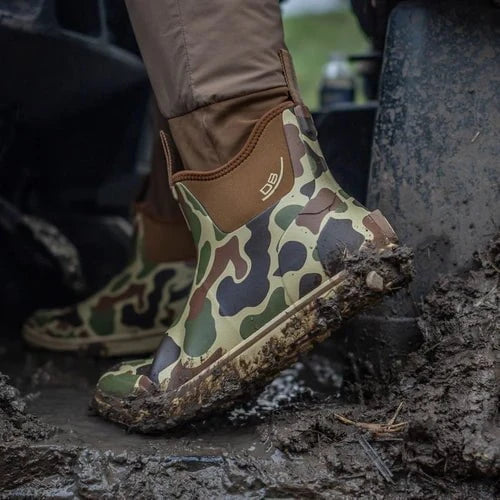
Because you’ll likely be standing still or sitting in one spot, insulated boots with waterproof construction are a must. Thick wool socks and the room to layer with toe warmers help prevent frozen feet. Ensure boots are quiet on gravel or frozen grass. If you're hunting from a field edge or downwind travel lane, the ability to move without noise is crucial.
Headgear and Glove Compatibility
Use a beanie that fits under your thermal head unit or headlamp without slipping. Fleece or merino materials are quiet and warm. Gloves should be insulated yet thin enough for trigger and device control. Some hunters opt for fold-back mittens or wear glove liners beneath fingerless gloves for maximum dexterity when working controls or cables.
Managing Thermal Devices
Thermal optics often include helmet-mounted units, rifle scopes, and power cables. Make sure your jacket hood doesn’t interfere with your headset or cabling. Route battery pack cords inside your outer shell to protect them from the elements and prevent snagging. Keep gear streamlined—eliminate extra straps or gear that could interfere with rifle mounting or scope operation. If you're scanning with a handheld thermal, consider a chest pouch or sling that keeps it accessible but out of the way.
Night Vision and Thermal Imaging
Night vision and thermal imaging technologies can be valuable tools for hunters, allowing them to detect and track their prey in low-light conditions. Night vision devices, such as binoculars and scopes, use amplification or digital enhancement to amplify available light, while thermal imaging devices detect heat signatures, allowing hunters to see warm objects in complete darkness. When using night vision or thermal imaging devices, hunters should be aware of their surroundings and take necessary precautions to avoid detection by their prey. Additionally, hunters should consider the legal and ethical implications of using these technologies, ensuring that they are used in a responsible and sustainable manner. By combining night vision and thermal imaging with a well-designed layering system and camouflage, hunters can increase their chances of success and enjoy a more rewarding and exciting hunting experience.
Accessories for Thermal Hunts
Carry a small insulated seat pad or cushion to stay off cold, wet ground. Neck gaiters or balaclavas reduce your visual signature and retain heat around the face. Hand warmers tucked into jacket pockets or gloves help with comfort and trigger control. Red or green lights for navigation avoid washing out your night vision and reduce reflection off gear.
Balancing Function and Silence
Night hunters using thermal gear need to maintain total silence and avoid any clothing that might rub or squeak when scanning. Before hunting, test your complete loadout—including thermal optics and cabling—while walking and scanning. Make sure nothing gets in the way of your view, trigger, or headset. Simplicity and stealth win every time in the dark.
Conclusion
Hunting at night with thermal optics demands gear that’s warm, quiet, and fully compatible with your technology. Every layer should support your ability to stay silent, maintain visibility through your optics, and adjust on the fly. From base layers to boots, the right setup lets you focus on the hunt, not the discomfort. Dial in your gear, move quietly, and let your thermal do the work.
FAQs
Do I need special camo when using thermal optics?
No. Thermal optics detect heat, not color. Choose dark, matte, non-reflective clothing to reduce visibility to game and avoid gear glare.
What base layer is best for night thermal hunts?
Merino wool or synthetic base layers are ideal. They wick moisture, insulate well, and stay warm even if damp.
Can I wear heavy gloves with thermal equipment?
Use layered or low-bulk gloves that allow enough dexterity for controls. Glove liners with cut-off finger gloves or flip-mitts are popular choices.
How do I keep thermal gear from snagging?
Route wires and battery packs inside your layers and minimize dangling gear. Test your setup before the hunt to ensure everything fits and moves well.
What accessories help most during night thermal hunts?
Seat pads, neck gaiters, hand warmers, and low-light navigation tools (like red LEDs) all improve comfort and stealth in the field.