


Introduction to Squirrel Hunt
Squirrel hunting is a fun and exciting activity that can be enjoyed by hunters of all skill levels. Whether you’re a seasoned hunter or just starting out, squirrel hunting is a great way to get outdoors and enjoy nature. It’s a popular small game hunting activity, and for good reason - it’s a great way to practice your hunting skills and bring home some delicious game meat.
When hunting squirrels, it’s essential to understand their behavior and habitat. Squirrels are most active during the early morning and late afternoon, making these the best times to hunt. They are often found in hardwood forests, where they feed on nuts, seeds, and berries. Knowing their favorite foods and hiding spots can significantly increase your chances of success.
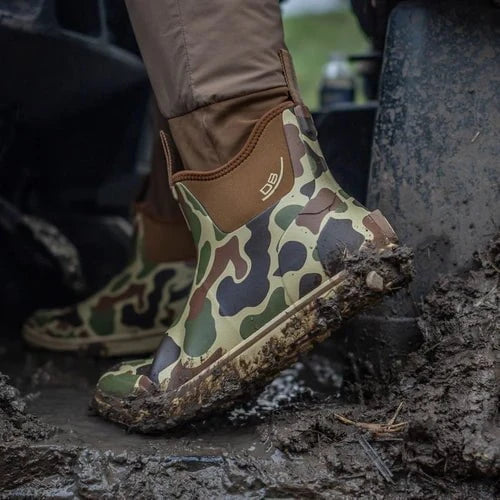
To get started, you’ll need the right gear. A good pair of binoculars can help you spot squirrels from a distance, and a comfortable pair of boots will keep you moving quietly through the woods. Patience and stealth are key, as squirrels are quick and easily spooked. With a bit of practice and the right approach, squirrel hunting can be a rewarding and enjoyable experience.
Small Game, Big Tradition
Squirrel hunting is one of the best ways to introduce new hunters to the woods. It’s low-pressure, teaches woodsmanship, and puts excellent table fare on the plate. Squirrel hunting is also an excellent entry point for a young hunter, teaching them essential skills like patience and marksmanship. But success often depends on having the right shot size for the job. In the timber, where shots range from point-blank to treetop distance, choosing a shot that balances spread and penetration is key.
Choosing the Right Gun for Small Game Hunting
When it comes to choosing the right gun for small game hunting, there are several options to consider. For squirrel hunting, a 20 gauge or 12 gauge shotgun is often a good choice, as they offer a good balance of power and maneuverability. The 20 gauge is lighter and has milder recoil, making it a great option for younger hunters or those who prefer a lighter gun. The 12 gauge, on the other hand, provides a denser pattern and greater range flexibility, especially with heavier loads.
Rimfire rifles, such as the .22 rifle, are also popular for squirrel hunting. They are known for their accuracy and low recoil, making them ideal for precise shots. A bolt action or semi-automatic .22 rifle can be a reliable choice for taking down squirrels at various distances.
Air rifles are another option, particularly for younger hunters or for hunting in areas with heavy foliage. They are quieter and more maneuverable than traditional firearms, making them suitable for dense woods. When choosing an air rifle, consider the power and accuracy of the gun, as well as the type of pellet to use.
The perfect squirrel shotgun is often an automatic or pump 20 gauge, equipped with a full choke or modified choke, depending on the shot size and distance. It’s also important to consider the type of ammunition to use, including the shot size, such as #6 or #4, and the type of choke, such as a turkey choke or a full choke. By selecting the right gun and ammunition, you can ensure a successful and enjoyable squirrel hunting experience.
Go-To Shot Sizes
The most common shot sizes for squirrel hunting are No. 5 and No. 6. These provide enough weight and density to knock down a squirrel cleanly, even when it’s high up in a hardwood or clinging to a thick branch. No. 6 is the more versatile option, offering a good pattern with enough pellets to increase hit probability without causing excessive meat damage. Using the right shot size can also increase shot opportunities, especially during dawn and dusk when squirrels are most active. For early-season hunts when foliage is thick and squirrels are closer, No. 6 gives you just the right balance. Later in the season when shots may stretch a bit, No. 5 provides more punch and reach.
Smaller Shot: Yes or No?
Some hunters use No. 7.5 for squirrel hunting, especially in tighter quarters or when hunting younger squirrels. While it offers a wider pattern and more pellets in the air, it lacks the downrange energy of larger shot sizes. This can lead to wounded animals or longer chases through the trees. If you’re close and confident, it can work. Otherwise, stepping up to No. 6 ensures a more humane and effective result.
Load and Gauge Considerations
Most squirrel hunters carry either a 20 gauge or 12 gauge. The 20 gauge offers a lighter platform and manageable recoil, while still pushing enough pellets to make clean kills with the right load. The 12 gauge throws a denser pattern and gives more range flexibility, especially with heavier loads. Using the same load in both 20 gauge and 12 gauge shotguns can enhance performance and accuracy when hunting squirrels. A standard 1 ounce or 1 1/8 ounce field load in No. 6 shot is a solid choice in either gauge. For those using a .410, No. 6 is typically the upper limit for payload and effectiveness, though accuracy becomes even more critical.
Hunting with a Pellet Gun
Hunting with a pellet gun can be a fun and challenging way to hunt squirrels. Pellet guns are often less expensive than traditional firearms, and can be a good option for younger hunters or for hunting in areas with noise restrictions. When hunting with a pellet gun, it’s essential to choose the right type of pellet and to practice your shooting skills before heading out into the field.
A good pellet gun can be an effective tool for hunting squirrels, especially at closer ranges. The key to successful hunting with a pellet gun is to aim for a head shot, as this will ensure a quick and humane kill. Head shots are crucial because they target the vital areas of the squirrel, reducing the chances of wounding the animal and causing unnecessary suffering.
Before your hunt, spend time at the range practicing your aim and getting comfortable with your pellet gun. This will help you make accurate shots when it counts. Additionally, consider the type of pellets you use; heavier pellets often provide better penetration and accuracy, making them a good choice for hunting.
Overall, hunting with a pellet gun can be a rewarding experience, offering a unique challenge and the opportunity to hone your shooting skills.
Air Rifles for Squirrel Hunting
Air rifles are a popular choice for squirrel hunting, especially for younger hunters or for hunting in areas with heavy foliage. Air rifles are often quieter and more maneuverable than traditional firearms, making them a good option for hunting in dense woods. When choosing an air rifle for squirrel hunting, consider the power and accuracy of the gun, as well as the type of pellet to use.
A good air rifle can be an effective tool for hunting squirrels, especially at closer ranges. Look for an air rifle with sufficient power to ensure clean kills, typically one that can shoot pellets at a velocity of at least 800 feet per second. Accuracy is also crucial, so choose a model with a good scope or sighting system.
Air rifles are also a good option for hunting in areas with noise restrictions, as they are generally quieter than traditional firearms. This can be particularly beneficial in suburban or semi-rural areas where noise can be a concern.
When selecting pellets, opt for heavier, pointed pellets that offer better penetration and accuracy. Spend time practicing with your air rifle to ensure you can make precise shots, especially aiming for the head to ensure a humane kill.
Overall, air rifles offer a versatile and effective option for squirrel hunting, providing a quieter and more maneuverable alternative to traditional firearms.
Using a 12 Gauge or 410 Shotgun
When it comes to using a 12 gauge or 410 shotgun for squirrel hunting, there are several things to consider. A 12 gauge shotgun is often more powerful than a 410, but can also be more difficult to maneuver in dense woods. The 12 gauge provides a denser pattern and greater range, making it suitable for longer shots and more open areas.
A 410 shotgun, on the other hand, is often lighter and more maneuverable, making it a good option for hunting in heavy foliage. The 410 is easier to carry and handle, especially for younger hunters or those who prefer a lighter gun. However, it has a smaller shot load and less range compared to the 12 gauge, so it’s best suited for closer shots.
The choice between a 12 gauge and a 410 shotgun will depend on the hunter’s personal preference and the type of hunting they will be doing. It’s also important to consider the type of choke to use, such as a full choke or a modified choke, and the shot size, such as #6 or #4. A full choke can help tighten the pattern for longer shots, while a modified choke offers a good balance for various distances.
By selecting the right shotgun and choke combination, you can ensure effective and ethical squirrel hunting, whether you’re navigating dense woods or taking longer shots in more open areas.
Choke Selection
Choke plays a big role in pattern performance. For early season hunts with thick leaf cover and close shots, improved cylinder or skeet chokes allow a wider pattern. As the leaves fall and shot distances increase, switching to a modified choke can help tighten the spread and maintain lethality at longer range. Using a full choke can help achieve tighter patterns, ensuring more pellets reach the vital areas of a squirrel. Patterning your shotgun with your chosen load helps you understand its behavior and make confident shots in the woods.
Timber Strategy
In timber, shots come fast and angles are tricky. Squirrels rarely sit still for long, and they move from tree to tree with quick, bounding hops. A good shot size will help you take advantage of split-second opportunities. Hunting in areas with tall timber requires considerations for shot selection and trajectory, as the dense canopy and varying heights can affect your aim. Always aim for clean, high-percentage shots and avoid firing when the animal is silhouetted against the sky. Safety and ethical harvesting go hand in hand.
Conclusion
The best shot sizes for squirrel hunting in timber are No. 5 and No. 6, offering the right mix of pattern density, energy, and versatility across different conditions. Whether you’re using a 12 gauge or a 20, pairing the right shot size with the right choke ensures effective, ethical hunts in the hardwoods. Choosing the right shot size is crucial to effectively kill squirrels and ensure ethical hunting practices. Take the time to pattern your gun, know your range, and enjoy one of small game hunting’s most rewarding pursuits.
FAQs
What is the best shot size for squirrel hunting?
No. 6 shot is the most common and effective choice. It provides a dense pattern and enough energy for clean kills in timber. No. 6 shot is effective for various squirrel species, including red squirrels, due to its dense pattern and energy.
Can I use No. 5 shot for squirrels?
Yes, No. 5 shot is a great option for longer shots or late-season hunting. It hits harder and carries more energy. No. 5 shot is particularly effective at longer ranges, providing more punch and reach.
Is No. 7.5 shot good for squirrel hunting?
It can work at close range but lacks the punch for longer shots. However, using No. 7.5 shot means dealing with less shot density, which can lead to a lower hit probability despite the adequate energy for effective kills. It’s best used in very tight cover or early season.
What gauge is best for squirrel hunting?
Both 12 and 20 gauge shotguns work well. The 20 gauge offers lighter recoil and weight, while the 12 gauge gives a denser pattern.
What choke should I use when hunting squirrels?
Use improved cylinder or skeet chokes for early season and close shots. As range increases, switch to a modified choke for better pattern control.