


Mistakes Hunting the Marshlands
Training your hunting dog for marshlands presents unique challenges, from navigating dense vegetation and fluctuating water levels to dealing with distractions like other wildlife. As a handler, preparing your dog to perform in marshland conditions requires patience, consistency, and the right approach. Unfortunately, many handlers make mistakes during training that can hinder their dog’s performance or even cause confusion.
In this guide, we’ll explore some of the most common mistakes hunters make when training their dogs for marshland environments and how to avoid them. By recognizing these mistakes, you can ensure that your dog is prepared for success when it matters most in the field.
Lack of Proper Introduction to Water
A common mistake in training hunting dogs for marshlands is failing to properly introduce them to water early on. Using a leash during initial water training sessions is crucial to maintain control and ensure safety. Dogs that aren’t accustomed to water may become nervous or hesitant, especially in challenging marshland conditions where the water may be murky, cold, or difficult to navigate.
-
How to Avoid It: Start introducing your dog to water gradually and in a controlled environment. Begin with shallow, calm water and allow your dog to get comfortable with the sensation of water around them. Use toys or treats to motivate them to swim and retrieve in the water.
-
Benefit: Properly introducing water will help your dog build confidence and skills, ensuring they’re comfortable and reliable when retrieving birds from marshy water during hunting trips.
Failing to Practice in Realistic Conditions
Another common mistake is training in conditions that don’t resemble the actual hunting environment. Practicing exclusively in a backyard or open field might result in a dog that can perform well in an ideal setting but struggles in the more challenging and dynamic conditions of the marsh.
-
How to Avoid It: Train your dog in environments that mimic real marshland conditions. This includes practicing in areas with tall grasses, mud, water, and other obstacles that your dog will likely encounter.
-
Benefit: Training in realistic conditions will help your dog adjust to the challenges they’ll face during an actual hunt, improving their focus, navigation, and ability to work in the marshland environment.
Not Using the Right Commands for Specific Situations
Another mistake hunters make is using the wrong commands for specific marshland scenarios. A handler must effectively communicate specific commands to the dog to enhance performance and avoid confusion. In marshlands, dogs need to navigate through water, dense vegetation, and potentially challenging terrain. Using general commands that are not tailored to the specific environment can confuse your dog or slow down their ability to perform tasks effectively.
-
How to Avoid It: Teach your dog commands specifically suited for marshland conditions. For example, commands like “back,” “over,” and “fetch up” are great for guiding your dog around obstacles or encouraging them to search in specific areas of dense marshland. Make sure these commands are consistent and practiced regularly.
-
Benefit: Using the right commands for marshland situations helps your dog understand what’s expected of them, leading to more efficient and confident performance in the field.
Inconsistent Reward System
Inconsistency in your reward system is another mistake that can impact your dog’s training in marshlands. If your dog doesn’t know what behaviors are being rewarded, they may become confused or less motivated to perform specific tasks, especially in challenging marshland conditions where there are distractions.
-
How to Avoid It: Be consistent with your reward system. Use treats, praise, or toys to reinforce the desired behaviors, and ensure that your dog understands what actions lead to rewards. Reinforce the behavior immediately after the command to strengthen the association.
-
Benefit: Consistent rewards help your dog build confidence in their ability to perform specific tasks, making them more reliable and motivated to complete the necessary actions during hunts.
Ignoring Dog’s Comfort and Safety in Cold Water
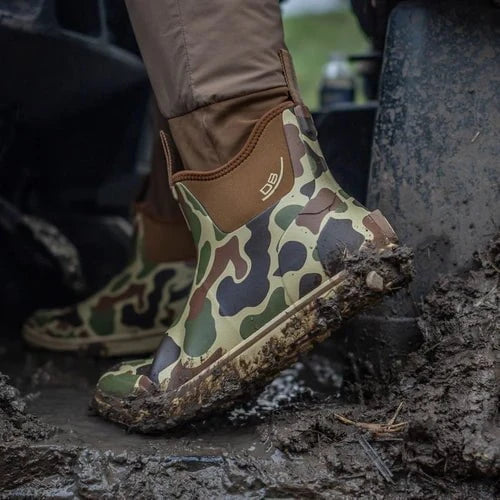
Training in cold water is essential for hunting in marshlands, but it’s also important to be mindful of your dog’s physical well-being. Using hip boots can provide great advice for enhancing your hunting experience in cold water environments. Overworking your dog in cold water without proper breaks or failing to recognize the signs of fatigue or discomfort can result in hypothermia, joint strain, or exhaustion.
-
How to Avoid It: Always monitor your dog closely during water training sessions, especially in cold water. Give your dog frequent breaks to rest and warm up, and never push them beyond their limits. If you notice signs of discomfort, such as excessive shivering or difficulty moving, stop the session and warm your dog up.
-
Benefit: By respecting your dog’s physical limits and ensuring their safety during training, you help them build stamina and endurance without putting their health at risk, preparing them for longer hunts without the risk of overexertion.
Not Training for Handling Distractions
Marshland environments are full of distractions, from other animals to environmental sounds. Videos can be an excellent resource for training and managing distractions, providing visual and auditory examples to help your dog adapt. One common mistake in training is failing to introduce distractions early on, which can cause your dog to lose focus during the hunt or become overly excited and unmanageable.
-
How to Avoid It: Gradually introduce distractions during training, such as other animals, loud sounds, or even different types of terrain. Reward your dog for maintaining focus and completing tasks despite the distractions.
-
Benefit: Training your dog to ignore distractions will help them stay focused and responsive, even in busy or challenging environments, such as a crowded marsh filled with wildlife or other hunters.
Skipping Socialization in Marshland Settings
A dog that is uncomfortable around other people, dogs, or unfamiliar situations can struggle in a marshland hunting environment. Teaching a pup self-control and proper behavior management during socialization is crucial. Lack of socialization can lead to fear, aggression, or avoidance behaviors, making it difficult for your dog to stay focused and work effectively.
-
How to Avoid It: Introduce your dog to a variety of people, dogs, and outdoor environments to help them become more comfortable and adaptable. Practice obedience and retrieve tasks while surrounded by new sights, sounds, and smells, which will simulate a hunting environment.
-
Benefit: Proper socialization makes your dog more adaptable and less likely to become distracted or stressed during the hunt. A dog that can remain calm and focused in new environments is a valuable asset when hunting in the unpredictable marshlands.
Overtraining Without Adequate Rest
Overtraining is a mistake that’s often overlooked but can lead to fatigue or injury in your dog. It’s important to manage your dog's behavior around deer to maintain their hunting instincts without discouraging them from pursuing their intended game. It’s easy to assume that more training means better results, but without adequate rest, your dog may experience burnout, stress, or physical injury.
-
How to Avoid It: Incorporate rest days into your dog’s training regimen. Alternate between high-intensity training and lighter activities, allowing your dog to recover and build endurance gradually. Pay attention to signs of fatigue or soreness and adjust your training schedule accordingly.
-
Benefit: Balanced training schedules ensure that your dog is well-prepared for long hunts without overworking them. Proper rest allows your dog to perform at their best when it matters most, while also maintaining their physical health.
Conclusion
Training a hunting dog for marshlands requires an understanding of the unique challenges presented by the environment and careful consideration of your dog’s physical and mental well-being. Avoiding these common training mistakes, such as failing to introduce water early, using inconsistent commands, or overtraining, will set your dog up for success. Consistent training with a leash is critical for maintaining control and ensuring that your dog obeys commands, even in complex environments. With proper training, patience, and attention to your dog’s needs, you can build a strong, reliable hunting partner who excels in marshland conditions, ensuring that your hunting experiences are both safe and successful.
FAQs
How can I introduce my dog to water safely during training?
Start with shallow water and gradually increase the depth as your dog gains confidence. Using a leash during initial water training sessions is crucial to maintain control and ensure safety. Use positive reinforcement to reward your dog for entering and swimming, allowing them to adjust at their own pace.
What should I do if my dog struggles with distractions during training?
Gradually introduce distractions during training and reward your dog for maintaining focus. Videos can be an excellent resource for training and managing distractions, as they often provide expert insights and practical demonstrations. Start with mild distractions and increase their intensity over time, ensuring your dog remains confident in completing tasks.
How do I keep my dog safe during cold water training?
Always monitor your dog’s behavior in cold water, giving them frequent breaks and ensuring they don’t overexert themselves. Use insulated dog vests for extra warmth and avoid pushing your dog beyond their limits.
What’s the best way to practice retrieving in marshlands?
Start with simple retrieving tasks in shallow water or easy terrain and gradually increase the difficulty by adding obstacles or deeper water. Practice in marshland-like environments to simulate the challenges your dog will face during a real hunt.
How can I avoid my dog becoming overwhelmed by marshland training?
Start with smaller, controlled training sessions and gradually introduce more challenging conditions. Managing a dog's behavior around deer is crucial to maintain their hunting instincts without discouraging them from pursuing their intended game. Ensure your dog has time to rest and recover between sessions, and always monitor their physical and emotional well-being during training.