


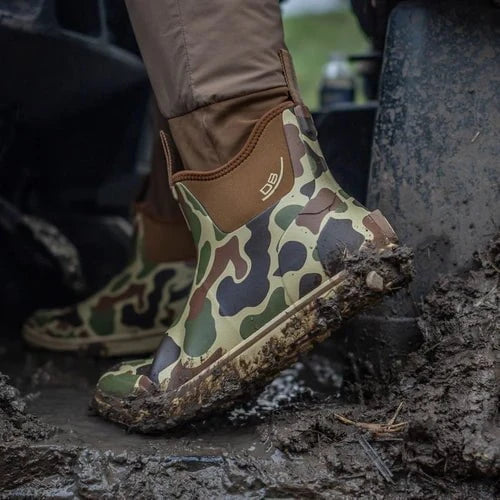
Hunting Blind Considerations
Hunting on public land provides access to vast and diverse environments but comes with specific challenges and responsibilities, especially when using hunting blinds for deer hunting. Wearing a hunter orange vest is crucial for visibility and safety, alerting other hunters to your presence and reducing the risk of accidental shootings. The growing popularity of ground blinds highlights their portability, ease of setup, and effectiveness in various terrains. Ensuring your setup is safe, legal, and effective requires careful planning and awareness of public land regulations. Here are the key considerations to keep in mind when using hunting blinds in public areas.
Understanding Public Land Regulations
Before setting up a hunting blind, familiarize yourself with the local laws and regulations governing the area, including the differences between public land, private land, and state land regulations. When hunting on private land, it is necessary to obtain a written permit from the landowner and adhere to the conditions set by the landowner.
Specific guidelines for state lands are crucial, as they often have unique rules regarding the use and management of ground blinds, emphasizing the importance of compliance. Public lands may have restrictions on the type of blinds allowed, their placement, and how long they can remain in use.
-
Permits and tags: Confirm whether a special permit is required to use a blind on public land.
-
Time restrictions: Some public lands limit the duration a blind can remain in place, requiring daily setup and takedown.
-
Seasonal guidelines: Rules may vary depending on the hunting season or species being pursued.
Safety and Visibility
Safety should always be a top priority when using blinds in areas shared with other hunters. Proper visibility and clear communication can prevent accidents.
-
Mark your blind: Use blaze orange markings or flags to make your blind visible to other hunters, especially during firearm seasons.
-
Choose a safe location: Avoid heavily trafficked areas and ensure your blind is not blocking trails or access points.
-
Identify your target: Always confirm your target and its surroundings to avoid accidental shootings.
-
Wear a safety harness: When transitioning from tree stands to ground setups, wearing a safety harness can prevent falls and enhance your overall safety.
Respect for Other Hunters
Public land is shared by all, so it’s important to respect the space and efforts of fellow hunters.
-
Avoid overcrowding: Set up your blind away from other hunters’ locations to minimize competition and interference.
-
First-come, first-served: Adhere to the unwritten rule of respecting hunters who have already established their setup in an area.
-
Communicate effectively: If you encounter other hunters, discuss plans to avoid conflicts or overlapping zones.
Choosing the Right Blind for Public Land
The type of blind you use can impact your effectiveness and convenience when hunting on public land. Portable and lightweight blinds are often the best choice.
-
Pop-up blinds: These are quick to set up and take down, making them ideal for areas where leaving a blind overnight is not allowed.
-
Natural blinds: Constructing a blind from surrounding vegetation is an option that requires no additional gear and blends well with the environment.
-
Low-profile designs: Choose a blind that is easy to transport and does not obstruct the area excessively.
-
Raised platforms: These can provide a better vantage point and increased safety. However, it is crucial to follow local regulations regarding their use and removal to prevent environmental damage and ensure safety.
Placement and Setup
Strategic placement of your blind increases your chances of success while minimizing disruption to the environment.
-
Scout the area: Look for signs of game activity, such as trails, feeding areas, or bedding spots, to determine the best location for your blind.
-
Blend with surroundings: Use natural materials to brush in your blind and make it less noticeable to wildlife.
-
Consider wind direction: Position your blind downwind of game trails to minimize scent detection.
Environmental Impact
Using a hunting blind responsibly includes minimizing your impact on the environment and preserving the integrity of public land.
-
Leave no trace: Remove your blind and all related equipment after your hunt, leaving the area as you found it.
-
Avoid damaging vegetation: Be mindful of the area where you set up, and avoid cutting down plants unnecessarily.
-
Pack out all trash: Ensure that no litter or waste is left behind.
Legal Compliance
Hunting on public land requires strict adherence to local, state, and federal laws to avoid fines or penalties.
-
Know the boundaries: Ensure your blind is within the legal hunting area and not on restricted or private property.
-
Follow tagging rules: Clearly mark your blind with any required identification, such as your name or license number, if mandated by local regulations. Wildlife management plays a crucial role in setting these hunting regulations, and it is important to adhere to these rules to ensure sustainable hunting practices.
-
Comply with weapon restrictions: Confirm that your equipment meets the legal requirements for the area and season.
Conclusion
Using hunting blinds on public land can be highly rewarding, offering access to diverse habitats and game species. However, it requires a commitment to safety, respect for other hunters, and compliance with regulations. By carefully planning your setup, choosing the right blind, and minimizing your environmental impact, you can enjoy a successful and responsible hunting experience on public land.
FAQs
How can I ensure my blind is visible to other hunters?
Mark your blind with blaze orange flags or panels to ensure it is easily seen, especially during firearm seasons, while still maintaining effective camouflage for wildlife. Additionally, wearing a hunter orange vest can further enhance your visibility and safety by alerting other hunters of your presence.
Can I leave my blind on public land overnight?
This depends on local regulations. Many public areas require blinds to be removed daily to prevent claims of exclusivity and minimize environmental impact.
What is the best type of blind for public hunting areas?
Portable pop-up blinds are often the best choice due to their ease of setup and removal, allowing you to comply with public land rules.
How can I reduce conflicts with other hunters when using a blind?
Avoid setting up close to other hunters, respect first-come, first-served rules, and communicate clearly if you encounter others nearby.
Are there restrictions on blind placement on public land?
Yes, many public lands have specific rules about where blinds can be placed, such as maintaining distance from trails, water sources, or private property boundaries. Always check local guidelines before setting up.