


Duck hunting in the Central Flyway offers some of the most exciting and productive opportunities for waterfowl hunters. Stretching from the northern plains of Canada down to the Gulf of Mexico, this flyway is known for its diverse bird species and abundant hunting grounds. Whether you’re a seasoned hunter or a beginner, understanding the specific characteristics of the Central Flyway is crucial for ensuring success during your hunt. From migration patterns to hunting regulations and essential gear, there are many factors to consider when planning your hunt. In this guide, we’ll explore what you need to know to make the most of your duck hunting experience in the Central Flyway.
Understanding the Route
The Central Flyway is one of the four major migratory routes used by North American waterfowl. It spans a vast area of the U.S. and Canada, including parts of the Great Plains, Midwest, and northern Rocky Mountains. During migration, waterfowl follow this route as they travel from their breeding grounds in Canada and the northern U.S. to wintering areas in the southern U.S. and beyond.
-
Migration Patterns: Waterfowl typically start their southward migration in the fall, with peak migration occurring from October to November. Depending on the species, birds may migrate earlier or later, but the Central Flyway remains a key route for many migratory ducks and geese.
-
Habitat: The Central Flyway includes a mix of wetlands, lakes, rivers, and marshes—ideal habitats for a wide variety of duck species. From prairie potholes in the Dakotas to flooded rice fields in Texas, this flyway provides waterfowl with ample resting, feeding, and breeding sites. The prairie pothole region is a vital breeding ground for waterfowl, particularly in the spring, and its unique geography creates ideal habitats for various species of ducks and geese.
-
Duck Species: Common species you’ll encounter in the Central Flyway include mallards, northern pintails, canvasbacks, redheads, teal, and gadwalls. Additionally, Canada geese and snow geese are significant components of the waterfowl hunting experience in this region. The diversity of waterfowl in this region presents hunters with plenty of opportunities to target different species throughout the hunting season.
Best Times for Duck Hunting in the Central Flyway During Waterfowl Season
Timing is critical when hunting in the Central Flyway. Knowing when to hunt based on migration patterns and weather conditions can significantly increase your chances of success. Understanding the waterfowl season is essential for successful hunting.
-
Early Season: The early season, which typically begins in late September or early October, can be productive for hunting migratory birds that are just arriving. This is a good time to hunt ducks as they are just arriving. During this time, waterfowl may be spread out, and hunting pressure may be lighter. However, the weather may still be warm, which could make hunting less predictable.
-
Peak Migration: The peak of migration usually occurs from late October to early November. During this period, the Central Flyway sees large concentrations of waterfowl. This period attracts many duck hunters due to the large concentrations of waterfowl. This is often the best time to hunt, as the birds are actively migrating and are more likely to be in the area.
-
Late Season: The late season, from December through January, can be a great time for hunting as well, especially in southern parts of the flyway. However, by this time, hunting pressure can be high, and weather conditions may make hunting more challenging.
Key Strategies for Duck Hunting Success
To maximize your success while hunting in the Central Flyway, it’s essential to follow proven strategies that take into account the specific conditions of the region. Using effective strategies can help attract ducks to your hunting area.
Set Up the Right Decoys
Proper decoy placement can lead to the best waterfowl hunting experiences. By arranging your decoys in a natural and enticing manner, you can significantly increase your chances of drawing in ducks.
Choose the Right Hunting Gear
Selecting the appropriate gear is crucial for a successful hunt. For instance, wood ducks can be effectively hunted with the right equipment, ensuring you are prepared for various species and environments.
Scout Your Hunting Area
Pre-season scouting is one of the most important steps in any successful duck hunting plan. By scouting potential hunting spots, you can learn where the ducks are congregating, what species are present, and how the birds are moving through the area. Hunters pursue mallards in various regions of the Central Flyway, employing strategic tactics such as targeting specific wetland areas and utilizing decoys to attract mallards during migration.
-
Look for Food Sources: Ducks rely heavily on food sources, so finding areas with abundant food—such as corn fields, rice paddies, and marshes with aquatic plants—can help you identify where birds are likely to land. Different waterfowl species, including mallards, depend on these food sources, making it crucial to locate these areas.
-
Observe Water Levels: The availability of water is crucial to waterfowl, and scouting areas with proper water levels will help you identify where ducks are more likely to settle. Dry conditions or overly flooded areas may deter ducks from landing.
-
Watch Flight Patterns: Spend time observing flight patterns in the area to see where ducks are coming from and where they are heading. This information can help you choose the best position for setting up decoys and blinds.
Set Up the Right Decoys
Proper decoy placement is essential to attracting ducks and convincing them that the area is safe for landing. Decoy setups can vary between different flyways, such as the 'Mississippi Flyway' and the 'Pacific Flyway'. Consider the following when setting up decoys:
-
Species-Specific Decoys: Using decoys that match the species of ducks in your area is important. Mallard decoys are a staple for many hunters, but you may also want to use pintail, teal, or canvasback decoys, depending on the ducks present in your area.
-
Realistic Spread: Arrange decoys in a natural-looking spread to mimic how ducks gather in feeding areas. A spread with varying positions—some decoys resting, some feeding, some standing—can create a more convincing scenario for approaching birds.
-
Consider the Wind: Ducks typically land into the wind. Position your decoys in such a way that they face into the wind, as ducks will approach from that direction.
Choose the Right Hunting Gear
The right gear can make a big difference in your comfort and effectiveness as a hunter. Having the right gear is essential for both duck and goose hunting. Be sure to have the following gear for hunting in the Central Flyway:
-
Waterfowl Shotgun: A reliable shotgun is essential for duck hunting. Many waterfowl hunters use a 12-gauge shotgun with a modified or improved cylinder choke, which is versatile for most waterfowl hunting scenarios.
-
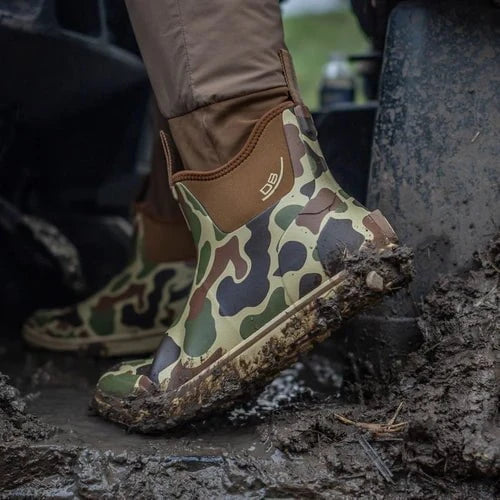
Camouflage Clothing: Since you’ll likely be hunting in marshes, fields, or along rivers, camouflage clothing that matches the environment is important. Waterproof clothing and boots are essential for staying dry and comfortable.
-
Blinds and Concealment: Using a well-camouflaged blind can help you stay hidden from the ducks. Whether you’re hunting from a layout blind, a boat blind, or a standing blind, make sure it blends into the surrounding environment and provides adequate cover.
-
Calls: Duck calls are a vital tool for attracting waterfowl. Mallard calls, teal whistles, and other species-specific calls can mimic the sounds that ducks make, luring them into shooting range.
Be Patient and Stay Still
Patience is key when duck hunting. Ducks are wary creatures, and even the best setup can be unsuccessful if you don’t remain still and quiet. Following guidelines from the wildlife service can also improve your hunting success.
-
Minimize Movement: Avoid sudden movements or talking when ducks are in the area. Even the slightest motion can spook them and cause them to fly off before you get a shot.
-
Wait for the Right Moment: Wait for ducks to get within shooting range before taking your shot. It’s tempting to shoot early, but waiting until the ducks are closer ensures a cleaner, more successful shot.
Regulations and Conservation Considerations
Before hunting in the Central Flyway, be sure to familiarize yourself with local regulations and conservation efforts aimed at maintaining healthy waterfowl populations.
-
Hunting Seasons and Limits: Each state within the Central Flyway, including South Dakota, has specific hunting seasons, bag limits, and rules regarding the types of ducks that can be hunted. Make sure to check the regulations in your area and follow them closely.
-
Duck Stamps and Licenses: Federal duck stamps are required for all hunters 16 years or older who are hunting migratory birds. In addition to the federal stamp, many states require state hunting licenses and specific waterfowl permits.
-
Conservation Programs: Many areas within the Central Flyway participate in wetland conservation efforts and other programs designed to protect waterfowl habitats. These programs benefit various waterfowl species, ensuring their preservation as they migrate through defined flyways. Supporting these initiatives through donations or volunteering can help preserve these critical ecosystems for future generations of waterfowl.
Conclusion
Duck hunting in the Central Flyway offers incredible opportunities for success, but achieving that success requires preparation, knowledge, and patience. By understanding migration patterns, choosing the right gear, setting up effective decoys, and following ethical hunting practices, you can increase your chances of having a productive hunting season. The Central Flyway is renowned for offering some of the best waterfowl hunting opportunities, particularly for species like Canada geese. Always be mindful of the regulations and the importance of waterfowl conservation, ensuring that future generations can enjoy the same opportunities to hunt in this rich and diverse flyway.
FAQs
What is the best time of year to hunt in the Central Flyway?
The peak migration period from late October to early November is generally the best time to hunt in the Central Flyway, as large numbers of ducks are migrating through the region. Understanding the waterfowl season is crucial for successful hunting, as changes in temperature and migration patterns can significantly impact the success of hunts.
What species of ducks, including wood ducks, can I expect to hunt in the Central Flyway?
Common species include mallards, northern pintails, teal, canvasbacks, redheads, gadwalls, and wood ducks. The flyway is known for its diverse waterfowl populations.
How should I set up my decoys for duck hunting?
Arranging your decoys in a natural, realistic spread is key. Position them to face into the wind, and use species-specific decoys based on the waterfowl in your area. Decoy setups can vary between different flyways, such as the 'Mississippi Flyway'.
What gear is essential for hunting in the Central Flyway?
Essential gear includes a reliable shotgun, camouflage clothing, a well-hidden blind, duck calls, and waterproof boots. Having the right gear is essential for both duck and goose hunting. Comfort and concealment are key.
Are there conservation efforts for waterfowl in the Central Flyway?
Yes, wetland conservation programs and initiatives to protect waterfowl habitats are ongoing in the region. In states like South Dakota, significant conservation efforts are in place to preserve these habitats. Supporting these efforts helps ensure a sustainable hunting environment for various waterfowl species.