


The Mississippi Flyway is one of the most popular and productive migration routes for waterfowl in North America, drawing hunters from all over the country. Stretching from the Great Lakes region to the Gulf of Mexico, this flyway provides ideal habitat for a variety of duck species during both migration and wintering periods. For hunters, the Mississippi Flyway offers ample opportunities for success, but it also comes with its challenges. Understanding the unique aspects of hunting in this region and preparing accordingly can greatly improve your chances of a successful hunt.
In this guide, we’ll cover essential tips for duck hunting in the Mississippi Flyway, from timing your hunt to selecting the right gear and hunting strategies.
Duck Hunting the Mississippi Flyway
One of the key factors for duck hunters to achieve success in the Mississippi Flyway is timing their hunt to coincide with peak migration periods. As ducks migrate south, including species like the wood duck, they pass through the Mississippi Flyway in large numbers, and knowing when this migration occurs will help ensure you’re in the field at the right time.
-
Best Times to Hunt: The peak of waterfowl migration in the Mississippi Flyway typically occurs in late fall and early winter, generally from mid-November through December. During this period, large numbers of ducks are migrating south for the winter, providing hunters with the best opportunities.
-
Migration Patterns: Keep an eye on local weather patterns and migration forecasts, as cold fronts push waterfowl southward. Ducks will often stage in the Flyway before continuing their journey, giving hunters a window of opportunity to harvest birds.
Waterfowl Hunting Tip:
-
Use the knowledge of weather patterns and the timing of cold fronts to plan your hunt for the best migration days. If possible, monitor reports and scouting data from local hunters or wildlife authorities to get a better understanding of when the birds are most likely to pass through.
Scout Locations Early: Know Where the Ducks Are
Scouting is an essential step for success in any hunting scenario, and it’s especially important in the Mississippi Flyway. Recognizing different migratory patterns, including the presence of the wood duck, is crucial as it influences the hunting experience in this region. The Mississippi River is a critical location for duck hunting, offering vast opportunities and unique challenges. With such a large area to cover, hunters need to identify where ducks are congregating and which areas are being used as resting or feeding grounds.
-
Focus on Wetlands: Ducks are often found in marshes, ponds, rivers, and shallow lakes that are abundant in the Mississippi Flyway. These wetlands serve as critical resting and feeding areas for migrating birds.
-
Look for Food Sources: Ducks are highly attracted to areas with abundant food, including submerged vegetation, grains, and insects. Fields near water, especially those planted with grains, can attract large numbers of ducks, particularly during migration.
-
Pay Attention to the Weather: Ducks prefer open water when the weather is cold, but if temperatures rise, they may seek out new feeding grounds. Scouting allows you to track these changes and adjust your strategy accordingly.
Tip:
Spend time scouting well before the hunting season starts, and consider visiting different types of habitats—wetlands, flooded fields, and lakes—to get a feel for where ducks are congregating.
Consider timber hunting in flooded timber areas, which provide optimal conditions for hunting migrating ducks. This technique is particularly popular in regions like Arkansas and Mississippi, where the unique environment supports successful hunting practices.
Set Up Properly: Use Effective Decoy Spreads to Attract Ducks
Decoys are a fundamental part of any successful duck hunt, and in the Mississippi Flyway, having the right decoy spread can make all the difference. The goal is to attract ducks into shooting range by mimicking the natural movements and patterns of waterfowl.
-
Use a Variety of Decoys: Ducks in the Mississippi Flyway come in many waterfowl species, including mallards, northern pintails, gadwalls, and more. To attract the widest variety of ducks, use a mix of decoys that accurately represent the types of ducks in your area.
-
Consider the Wind and Water Movement: Set up decoys in areas where the wind will cause them to move naturally, simulating the motions of real ducks. Movement is a key attractant, so if possible, use a few motion decoys, like spinning-wing decoys, to create additional realism.
-
Set Decoys in a “V” Shape or Spread: Position decoys in a V-shape or loose spread pattern, which mimics the way ducks naturally land and swim. This arrangement creates a welcoming environment and draws incoming birds into your setup.
Tip:
-
Regularly adjust your decoy spread to accommodate changing wind and weather conditions. Ducks may prefer different patterns based on these factors, so remain flexible with your setup.
Use Calls Effectively: Mimic Natural Sounds
Calling ducks is an essential skill for waterfowl hunters, and in the Mississippi Flyway, having the right calls and using them effectively can be a game-changer. Ducks use calls to communicate with each other, and mimicking these sounds can help draw them closer to your decoy spread.
-
Mallard Calls: The quack is one of the most common and effective calls, especially for attracting mallards. However, using a variety of calls, such as whistles or feeding calls, can be more effective in convincing ducks to land.
-
Green winged teal calls can also be effective, especially when trying to attract a variety of duck species.
-
-
Timing and Volume: The key to effective calling is knowing when to call and how loudly to call. If ducks are far away, a soft, reassuring call may be enough. As they get closer, you can increase the volume to entice them to land.
-
Don’t Overcall: Many hunters make the mistake of calling too often, which can cause ducks to become wary or confused. Call only when necessary and use pauses between calls to mimic the natural behavior of ducks.
Tip:
-
Practice your calling regularly to perfect the sounds of different species. A well-timed, realistic call can make a huge difference in attracting ducks in the Mississippi Flyway.
Be Prepared for the Elements: Dress and Gear for Comfort
Hunting in the Mississippi Flyway often means dealing with varying weather conditions, ranging from chilly mornings to rain and wind. Hunters may encounter blue winged teal during early season hunts, especially in warmer weather conditions. Being prepared for the elements will ensure that you can focus on the hunt instead of being distracted by discomfort.
-
Dress for Cold and Wet Conditions: Wear waterproof and insulated clothing to stay dry and warm. Layers are key for regulating body temperature in the cold, while water-resistant outer layers help keep you comfortable when it rains or the weather turns.
-
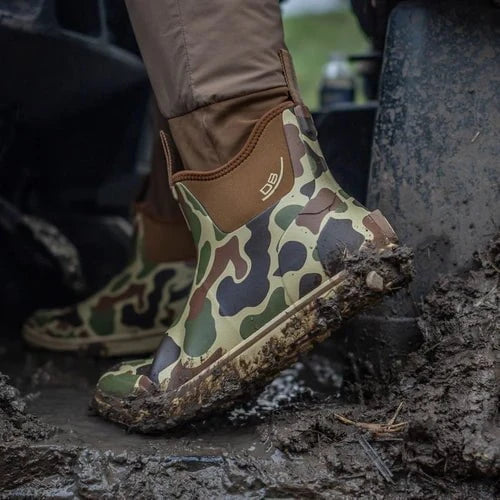
Invest in Quality Boots: High-quality waterproof boots are essential when hunting in wetlands and marshes. Choose boots that offer both warmth and support for long hours of standing or walking through water.
-
Camouflage and Concealment: Camouflage clothing and gear are essential for staying hidden from waterfowl. In the Mississippi Flyway, hunters often use camouflaged blinds or natural cover to avoid detection from ducks flying overhead.
Tip:
-
Pack extra clothing, food, and supplies in case of adverse weather. Staying comfortable and prepared can make your hunt more enjoyable and successful.
Respect Local Regulations and Conservation Efforts
While hunting in the Mississippi Flyway can be rewarding, it’s important to respect local hunting regulations and conservation efforts. The Flyway is a critical stopover for migrating ducks, and overhunting or ignoring conservation measures can harm the local waterfowl populations.
-
Follow Bag Limits and Seasons: Be aware of local bag limits, hunting seasons, and species restrictions, including those for wood ducks, in your area. These regulations are in place to ensure sustainable waterfowl populations and to protect certain species that may be endangered or overhunted.
-
Participate in Conservation Programs: Many organizations focus on conserving waterfowl habitats in the Mississippi Flyway. Consider contributing to these efforts through donations or volunteering with local conservation groups.
Tip:
-
Before heading out, always check with your local wildlife agency for updated regulations and information on hunting areas in the Mississippi Flyway.
Conclusion
Duck hunting in the Mississippi Flyway offers an unparalleled opportunity for hunters, but success in this vast and diverse region requires preparation, knowledge, and skill. By understanding migration patterns, scouting effectively, setting up your decoy spreads properly, using calls strategically, and respecting the environment, you can significantly improve your chances of a successful hunt.
Whether you’re a seasoned hunter or a beginner, the Mississippi Flyway provides exciting opportunities for waterfowl hunting. With the right approach and attention to detail, you can enjoy both the thrill of the hunt and the beauty of the region.
FAQs
What are the best times to hunt in the Mississippi Flyway?
The best times to hunt in the Mississippi Flyway are during the peak migration periods in late fall and early winter, generally from mid-November through December.
What types of ducks are commonly found in the Mississippi Flyway?
Common ducks in the Mississippi Flyway include mallards, northern pintails, gadwalls, canvasbacks, redheads, wood ducks, and blue winged teal, among others.
How do I scout effectively for ducks during the waterfowl migration in the Mississippi Flyway?
Scouting involves finding areas with abundant food and water sources, such as wetlands, marshes, and fields. Pay attention to the weather and migration forecasts, as cold fronts push ducks into the Flyway.
What should I bring for an early morning hunt in the Mississippi Flyway?
Be sure to bring warm, waterproof clothing, quality boots, decoys, calls, and any necessary hunting gear, such as ammunition and a blind.
How can I help conserve waterfowl populations in the Mississippi Flyway?
Participate in local conservation programs, respect hunting regulations, and contribute to habitat restoration efforts to help maintain healthy waterfowl populations in the Mississippi Flyway.