


The Pacific Northwest is a premier destination for duck hunters, offering some of the most diverse and abundant waterfowl habitats in the country. With its mix of coastal marshes, wetlands, lakes, and rivers, the region provides the perfect environment for a variety of duck species, including mallards, northern pintails, and green-winged teal. Whether you're an experienced hunter or just starting out, understanding the best hunting locations and tips for success will help you make the most of your experience in this unique and beautiful region.
In this guide, we’ll explore the best spots for duck hunting in the Pacific Northwest, as well as some essential tips for making your hunt successful.
Duck Hunting in the Pacific Northwest
The Pacific Northwest offers a wide range of duck hunting opportunities, with prime hunting locations scattered across the region, featuring an abundance of ducks and geese. Whether you prefer hunting in expansive wetlands, tidal flats, or along the coast, this area has something for everyone.
For those seeking a quality hunt, the Pacific Northwest provides excellent hunting experiences with comfortable accommodations, skilled guides, and abundant wildlife.
Snoqualmie River Valley, Washington
The Snoqualmie River Valley is a prime waterfowl hunting location in Washington State. With its wetlands, shallow ponds, and marshes, this area attracts a variety of migratory ducks, especially during the fall and winter months. The river valley’s proximity to Seattle makes it easily accessible to hunters, and the landscape offers a mix of public and private hunting grounds. The camaraderie among fellow hunters in the Snoqualmie River Valley enhances the overall enjoyment and success of hunting outings.
-
Why It’s Great: The valley is home to a variety of duck species, including mallards, wood ducks, northern pintails, and green-winged teal. The area’s shallow waters and abundant food sources create an ideal environment for waterfowl.
-
Best Time to Hunt: The peak migration for ducks in this region typically occurs from late October through December, with the largest numbers of waterfowl arriving during cold fronts.
Columbia River Estuary, Oregon and Washington
The Columbia River Estuary, which forms part of the border between Oregon and Washington, is another top destination for duck hunters. This vast area of tidal flats, saltwater marshes, and freshwater wetlands provides a critical stopover for migrating ducks along the Pacific Flyway. The estuary is home to a wide variety of waterfowl, including several species of diving ducks, such as scaup and canvasbacks, as well as puddle ducks. Additionally, sea ducks, including common eiders and scoters, can be found in the estuary, making it a prime location for hunters targeting these species.
-
Why It’s Great: The Columbia River Estuary has a diverse habitat that attracts ducks at all stages of migration. Hunters can enjoy hunting in both freshwater and saltwater environments, depending on the conditions and species they’re targeting.
-
Best Time to Hunt: The best hunting periods are typically from mid-November through December, coinciding with the peak of the migratory season.
Willapa Bay, Washington
Willapa Bay, located along the southwestern coast of Washington, is a renowned spot for waterfowl hunting, offering opportunities to hunt numerous species of ducks. The bay is part of the Pacific Flyway and offers hunters a variety of hunting options, including marshes, tidal flats, and open water. It’s especially popular for hunting diving ducks, including scaup and canvasbacks, but also attracts puddle ducks such as mallards and gadwalls.
-
Why It’s Great: Willapa Bay’s combination of saltwater marshes and sheltered estuaries provides ideal conditions for a wide variety of duck species. The bay’s remote location also means that it is less crowded than other hunting areas, offering a more peaceful hunting experience.
-
Best Time to Hunt: The peak season is from late October to December, but it is also productive during the early part of the year, especially when conditions are right for large concentrations of ducks.
Klamath Basin, Oregon and California
The Klamath Basin, located at the border of Oregon and California, is one of the most important wetlands in the Pacific Flyway. The basin consists of a complex system of lakes, marshes, and flooded fields, making it a prime location for both migratory ducks and resident species. These wetlands also serve as crucial nesting grounds for migratory birds, providing essential habitats where they return from their seasonal migrations to breed. The area hosts large numbers of ducks during migration, including mallards, northern pintails, teal, and various species of divers.
-
Why It’s Great: Klamath Basin is one of the most significant waterfowl habitats in the western U.S., attracting thousands of ducks each season. It’s a well-managed area with both public and private hunting opportunities, including the Klamath Basin National Wildlife Refuge.
-
Best Time to Hunt: The best hunting months are late November through January, when large concentrations of ducks migrate through the region.
Tips for Duck Hunting in the Pacific Northwest
Hunting in the Pacific Northwest offers many challenges due to its varied environments and weather conditions. To help you succeed in this region, here are some essential tips for duck hunting in the area:
For early season hunting, focus on scouting and preparation to find optimal hunting conditions as ducks and geese begin their migration.
Know the Duck Species in the Region
The Pacific Northwest is home to a wide range of duck species, making it an ideal location for hunting waterfowl. Understanding which species are present and when they migrate through the region will help you plan your hunt. Some common species found in the area include mallards, northern pintails, gadwalls, teal, and scaup.
-
Puddle Ducks: These ducks prefer shallow, freshwater areas, such as ponds, marshes, and rivers. Mallards, pintails, and wood ducks are common puddle ducks in the region.
-
Diving Ducks: These ducks are more often found in deeper water and prefer large lakes, reservoirs, and coastal bays. Species like canvasbacks, scaup, and redheads are typically diving ducks in the Pacific Northwest.
Use the Right Decoys
Effective decoy placement is crucial to attract birds and ensure duck hunting success, and in the Pacific Northwest, using the right mix of decoys can make all the difference. You’ll want to use a combination of puddle and diving duck decoys depending on the species you’re targeting. Be sure to set your decoys in areas where ducks naturally congregate, such as near cover or feeding areas.
-
Tip: Consider using motion decoys, like spinning-wing decoys, to attract more ducks and create a more realistic spread.
Be Prepared for the Weather
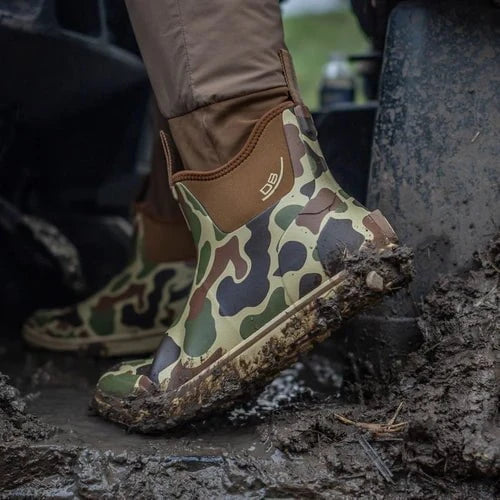
The weather in the Pacific Northwest can change rapidly, and hunters must be prepared for rain, wind, and cold temperatures. Waterproof clothing, high-quality boots, and layers of clothing are essential for staying dry and warm in the field. Additionally, keep in mind that rain can affect visibility, so be ready to adapt your calling and decoy strategies.
-
Tip: Bring extra clothing and gear in case of unexpected weather changes. Waterproof bags for your gear can also help keep your equipment dry.
Scout Before the Hunt
Scouting is key to success in the Pacific Northwest, especially because waterfowl move around based on weather patterns and food availability. Spend time visiting hunting locations before the season starts to get a sense of where ducks are congregating. Look for areas with abundant food sources, such as flooded agricultural fields, wild rice beds, and wetland vegetation. Pass shooting can be particularly effective when scouting reveals flight paths of ducks.
-
Tip: Use trail cameras or local reports to track the movements of waterfowl and make sure you’re hunting in the right locations.
Conservation and Regulations
The Pacific Northwest is home to a variety of protected waterfowl species, so it’s important to understand local regulations and conservation efforts when hunting in the region. Be sure to check bag limits, hunting seasons, and any special regulations for public lands or wildlife refuges. Eastern Washington, in particular, offers unique hunting opportunities with specific regulations, especially in the Columbia Basin, known for its abundance of migratory birds and guided hunting adventures.
-
Tip: Many hunting areas in the Pacific Northwest, especially wildlife refuges, require permits or reservations. Always check with local wildlife agencies for the latest regulations before heading out on your hunt.
Conclusion
Duck hunting in the Pacific Northwest offers some of the most rewarding and diverse hunting experiences in the U.S., with a range of habitats and abundant waterfowl species. Whether you’re hunting in the Snoqualmie River Valley, the Columbia River Estuary, or the Klamath Basin, there are countless opportunities to pursue your passion for waterfowl hunting in this scenic and vibrant region. By understanding the best hunting spots, using the right strategies, and respecting local regulations, you can enjoy a successful and sustainable duck hunting experience in the Pacific Northwest. Additionally, the region offers excellent goose hunting opportunities, with guided and overnight options available to enhance your waterfowl hunting adventures.
FAQs
What are the best times to hunt ducks in the Pacific Northwest?
The best times to hunt ducks in the Pacific Northwest are during peak migration, typically from late October to December. However, some hunting can also be productive in early spring as ducks begin returning to northern breeding grounds. The Willamette Valley is a prime location for hunting during peak migration.
What types of ducks can I hunt in the Pacific Northwest?
Common duck species in the Pacific Northwest include mallards, northern pintails, green-winged teal, wood ducks, canvasbacks, scaup, and gadwalls.
Are there public hunting areas in the Pacific Northwest?
Yes, the Pacific Northwest has several public hunting areas, including wildlife refuges, wetlands, and national forests. Popular spots include the Columbia River Estuary, Snoqualmie River Valley, and Klamath Basin National Wildlife Refuge.
Do I need a permit to hunt in the Pacific Northwest?
Many public hunting areas in the Pacific Northwest require permits or reservations, especially during peak migration. Always check local regulations and obtain necessary permits before hunting.
How can I improve my chances of success when hunting ducks in the Pacific Northwest?
To improve your chances, scout hunting locations ahead of time, use realistic decoy spreads, and be prepared for variable weather conditions. Knowing the migratory patterns of ducks and staying informed about local regulations can also increase your success.