


Conditioning for Long Hunts
Conditioning your hunting dog for long hunts is essential to ensure they have the stamina, focus, and energy to perform effectively throughout an entire day or multiple days in the field. Whether you are hunting waterfowl, upland birds, or big game, the physical and mental endurance of your dog plays a crucial role in their performance. Building your dog’s confidence in their conditioning will not only help them physically, but it will also enhance their mental toughness, ensuring they remain focused and motivated during the hunt. Additionally, conditioning your dog in preparation for elk season is vital to ensure they are ready for the specific demands of this challenging hunting period.
This guide will walk you through the best practices to condition your dog for long hunts, focusing on both physical conditioning and confidence-building techniques to prepare your dog for the challenges they will face during a full day of hunting.
Understanding Your Goals and Motivation
Understanding your goals and motivation is crucial for a successful hunting season. Before diving into your endurance training, take a moment to define what you want to achieve. Are you gearing up for an elk hunt or a challenging backpack hunt in the mountains? Do you aim to increase your pack weight or simply improve your overall physical fitness? Identifying your specific goals will help you create a tailored training program that addresses your unique needs.
Your motivation is equally important. What drives you to hunt? Is it the thrill of the chase, the camaraderie with your hunting partner, or the opportunity to connect with nature? Whatever your motivation, keep it at the forefront of your mind, especially during the off-season when training can feel particularly challenging. Reminding yourself of your reasons for hunting can provide the extra push you need to stay committed to your training regimen.
Start with a Solid Foundation of Basic Obedience
Before conditioning your dog for long hunts, it’s important to ensure they have a solid foundation of basic obedience commands. This helps build confidence in your dog’s ability to understand what’s expected of them, which in turn boosts their focus during conditioning exercises. Other hunters also prioritize basic obedience training to ensure their dogs are well-prepared for hunts.
-
Training Tip: Start by reinforcing basic commands such as “sit,” “stay,” “come,” “heel,” and “down” in both calm and distracting environments. Use positive reinforcement to reward correct responses, building a reliable and obedient dog.
-
Benefit: A dog with a strong foundation in obedience is easier to manage during training and hunting, reducing stress and ensuring a confident, cooperative partner in the field.
Gradual Build-Up of Stamina with Short Endurance Training Sessions
Conditioning for long hunts doesn’t happen overnight. Most hunters start with short training sessions to build stamina gradually, focusing on endurance-building activities and increasing the duration and intensity over time. This helps prevent injury and ensures your dog is mentally prepared for longer hunts.
-
Training Tip: Begin with short sessions of walking, jogging, or hiking in different terrains. Gradually increase the length of each session by 10-15 minutes each week. Incorporate rest periods to avoid overwhelming your dog.
-
Benefit: Gradually building stamina ensures that your dog’s body adapts to the demands of long hunts without overexerting them. This approach also helps increase your dog’s confidence in their ability to handle longer sessions.
Incorporate Water Training for Full-Body Conditioning
Water training is an excellent way to build full-body conditioning, especially for dogs that will be involved in waterfowl hunting. Swimming and retrieving in water builds strength, stamina, and endurance, while also allowing your dog to recover from high-impact activities like running. There are many inspiring stories of hunters who have successfully used water training to condition their dogs, achieving remarkable results.
-
Training Tip: Introduce your dog to swimming and retrieving dummies or decoys in water. Start in shallow water and gradually increase the depth and distance. Combine water exercises with land exercises to ensure a balanced conditioning routine.
-
Benefit: Water training works multiple muscle groups while improving cardiovascular health, which is vital for long hunts. It also builds confidence in your dog’s ability to navigate water, an essential skill for many hunting dogs.
Use Hiking and Rough Terrain to Build Leg Strength and Endurance
For hunting dogs, especially those that need to cover large areas, hiking in rugged terrain is one of the best ways to build endurance. Hiking provides a full-body workout, strengthening your dog’s legs, core, and cardiovascular system. Additionally, hiking in rugged terrain prepares dogs for the specific challenges of western hunting, where navigating steep hills and rocky paths is essential.
-
Training Tip: Start with easy trails and gradually increase the difficulty by introducing steeper hills, rocky paths, or uneven surfaces. Allow your dog to take breaks as needed and reward them for staying focused and strong throughout the hike.
-
Benefit: Hiking strengthens your dog’s legs and core, improving their stamina and ability to handle challenging terrains during long hunts. The more confident your dog feels on rugged terrain, the more they’ll be able to handle different hunting environments.
Conditioning with a Pack
Conditioning with a pack is an essential part of endurance training for mountain hunting. Carrying a weighted pack helps build the strength and stamina needed to handle heavy loads over rough terrain. Start with a manageable weight and gradually increase it over time to avoid injury and ensure your body adapts properly.
A good rule of thumb is to begin with a pack weight of 20-30 pounds and increase it by 5-10 pounds each week. This gradual progression allows your muscles and joints to adjust, reducing the risk of strain. Focus on maintaining proper form and technique, such as keeping your back straight, engaging your core, and using trekking poles when necessary. This approach not only builds physical strength but also boosts your confidence in handling the demands of a long hunt.
Focus on Mental Conditioning for Long Hunts
Mental conditioning is just as important as physical conditioning for preparing your dog for long hunts. Long days in the field can be mentally taxing for dogs, especially if there’s downtime or periods of waiting in the blind. Building your dog’s mental endurance ensures they remain calm, focused, and alert throughout the day. Most guys often overlook the importance of mental conditioning for their dogs.
-
Training Tip: Practice steadiness drills in various environments, where your dog must remain calm and patient. Use commands like “sit,” “stay,” and “place” to encourage stillness and focus during these training sessions. Gradually increase the duration of these exercises as your dog becomes more comfortable.
-
Benefit: Mental conditioning builds your dog’s ability to stay focused and steady in challenging conditions. A mentally conditioned dog will be more confident and able to handle long hunts without becoming anxious or distracted.
Introduce Multiple Short Training Sessions with a Weighted Pack Throughout the Day
During long hunts, your dog will need to pace themselves and stay focused over several hours. To simulate this, introduce multiple short training sessions throughout the day, rather than one long session. This helps your dog build the ability to work in multiple bursts and remain alert over time. Additionally, practice putting an arrow on target under physically demanding scenarios to improve overall proficiency.
-
Training Tip: During training, set up several short exercises that require your dog to run, retrieve, or stay focused for brief periods. Alternate between these exercises with rest periods, mimicking the flow of a long hunt.
-
Benefit: By conditioning your dog to work in multiple bursts throughout the day, you help them build the mental and physical endurance needed for long, active hunts. This also helps teach your dog how to pace themselves during the hunt.
Implement Proper Nutrition and Hydration
Proper nutrition and hydration are key components of conditioning your dog for long hunts. A well-fed and hydrated dog will have more energy and stamina, helping them perform better during extended hunting sessions.
-
Training Tip: Ensure that your dog is on a balanced diet that supports their activity level. Provide ample water before, during, and after training sessions and hunts to prevent dehydration. Avoid overfeeding right before intense activity, but make sure they have enough energy to sustain them during long sessions.
-
Benefit: Proper nutrition and hydration help maintain your dog’s energy levels, preventing fatigue and keeping them healthy during long hunts. A well-conditioned dog is more likely to stay focused and perform efficiently in the field.
Gear and Equipment Considerations
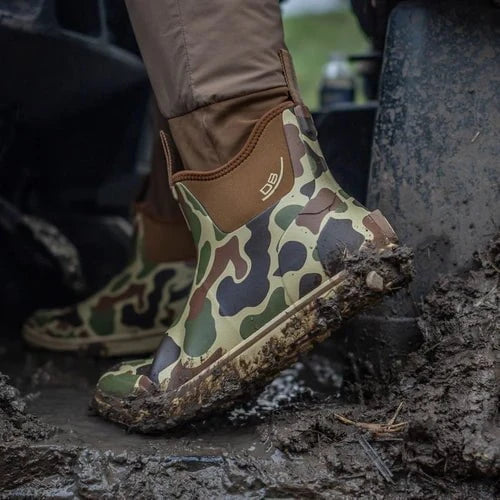
Selecting the right gear and equipment is critical for a successful backpack hunt. A well-designed backpack can significantly enhance your comfort and performance on the mountain. Look for a pack that fits well, offers multiple compartments for organization, and has a sturdy frame to support the weight.
In addition to your backpack, consider other essential gear such as boots, clothing, and optics. Choose items that are durable, reliable, and suitable for the terrain and weather conditions you’ll encounter. Practicing with your gear before the hunt is also crucial. Familiarize yourself with its use and functionality to ensure you’re prepared for any situation that may arise in the field.
Gradual Exposure to Distractions During Hunting Season Training
Long hunts often involve distractions such as other animals, sounds, and movements. Gradual exposure to these distractions during training helps your dog build confidence and stay focused, even when the environment becomes busy or chaotic.
-
Training Tip: Begin by exposing your dog to mild distractions, such as noises, other dogs, or movement, while they are training. Slowly increase the level of distractions as your dog becomes more confident and able to stay focused on the task at hand.
-
Benefit: Exposing your dog to distractions helps them learn to filter out irrelevant stimuli and stay focused on their job during the hunt. This builds confidence in their ability to perform under challenging conditions.
Use Positive Reinforcement to Build Confidence
Positive reinforcement is crucial in building your dog’s confidence throughout their conditioning process. Rewarding your dog for their hard work, progress, and focus encourages them to continue pushing through the physical and mental challenges of long hunts.
-
Training Tip: Use treats, praise, and toys to reward your dog immediately after they complete a task or show good behavior. Keep the rewards varied to keep your dog motivated and engaged throughout their conditioning sessions.
-
Benefit: Positive reinforcement encourages your dog to continue working hard, which boosts their confidence and helps them stay focused during the challenges of long hunts. It also strengthens your bond with your dog, making training more enjoyable and effective.
Injury Prevention and Recovery
Injury prevention and recovery are vital components of endurance training for mountain hunting. Injuries can be a major setback, especially during the hunting season, and can prevent you from achieving your goals.
To prevent injuries, listen to your body and take regular breaks during training. Incorporate strength training and flexibility exercises into your routine, focusing on your upper body, core, and legs. Proper warm-up and cool-down routines before and after workouts are also essential to prepare your muscles and joints for the demands of training.
If you do experience an injury, seek medical attention immediately. A proper diagnosis and treatment plan can help you recover quickly and get back to training. Incorporate recovery techniques such as foam rolling, stretching, and self-myofascial release into your routine to aid in muscle recovery and prevent future injuries. By prioritizing injury prevention and recovery, you’ll be well on your way to becoming a successful hunter, ready to tackle even the most challenging mountain hunts.
Conclusion
Building confidence in conditioning for long hunts requires a combination of physical training, mental conditioning, and proper care. By gradually increasing stamina, introducing distractions, and using positive reinforcement, you can help your dog develop the endurance and focus needed to handle long, challenging hunts. Conditioning is not only about preparing your dog physically, but also ensuring they are mentally prepared to stay calm, focused, and steady throughout the day. With patience and consistency, you will maximize your dog’s potential, creating a reliable and confident hunting partner who can handle the demands of long hunts.
FAQs
How long should my conditioning sessions be for long hunts?
Start with shorter sessions, around 20 to 30 minutes, and gradually increase the duration as your dog builds stamina. The goal is to improve endurance without overworking your dog, ensuring they are physically and mentally prepared.
Can I condition my dog for long hunts in hot weather?
Yes, but it’s important to monitor your dog’s hydration and avoid overexertion in hot conditions. Train during cooler parts of the day, provide frequent breaks, and ensure your dog has access to water at all times to prevent overheating.
How can I tell if my dog is physically prepared for long hunts?
Signs that your dog is physically prepared include consistent energy levels, quick recovery after training sessions, and maintaining focus throughout extended training periods. If your dog shows signs of fatigue, rest, and reduce the intensity of the training.
How often should I train my dog for long hunts?
Consistency is key. Aim for several training sessions each week, mixing in different exercises such as hiking, swimming, retrieving, and obedience training. Allow rest periods between intense sessions to prevent overtraining and injury.
Can I condition my dog for long hunts without professional help?
Yes, with the right approach and resources, you can condition your dog for long hunts on your own. However, if you encounter challenges or need guidance, working with a professional trainer can help optimize your dog’s conditioning program.