


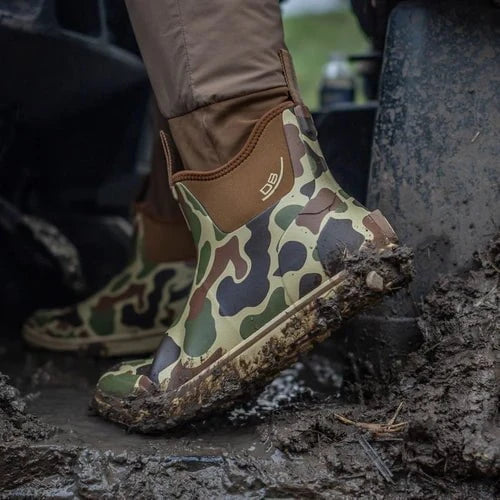
Hunting Safety
Campfires are a central part of the hunting experience, providing warmth, light, and a place to cook and bond after a day in the field. However, improper fire management can lead to dangerous situations, including wildfires, injuries, or property damage. By following essential safety practices, hunters can enjoy the benefits of a campfire while minimizing risks to themselves and the environment.
This guide highlights key safety considerations for building, maintaining, and extinguishing campfires during your hunting trips.
Choosing a Safe Location
The location of your campfire is critical to its safety and effectiveness:
-
Use Designated Fire Rings: Whenever possible, build your fire in an established fire ring or pit to reduce the risk of spreading.
-
Clear the Area: Remove leaves, grass, and other flammable materials within a 10-foot radius of your fire site.
-
Avoid Overhead Hazards: Choose a spot away from low-hanging and overhanging branches, tents, or tarps that could catch fire.
-
Check the Wind: Avoid building a fire in windy conditions, which can spread embers beyond the fire pit.
Choosing a safe and controlled location is the first step in ensuring a successful campfire experience.
Preparing to Build the Fire Pit
Preparation is essential for a safe and effective campfire:
-
Gather Materials Safely: Collect dry, local firewood, kindling, and tinder. Avoid cutting live trees or using treated wood, as these can produce harmful smoke.
-
Keep Tools Handy: Have a shovel nearby, bucket of water, or fire extinguisher in case of emergencies. A shovel is crucial for extinguishing runaway flames and managing fire hazards.
-
Check Fire Restrictions: Research local regulations or fire bans in the area before lighting a fire.
Proper preparation reduces the risk of accidents and ensures your fire is easy to manage.
Building and Lighting the Fire
When building your campfire, use safe and effective techniques:
-
Start Small: Begin with a small pile of tinder and kindling, gradually adding larger pieces of wood as the fire grows. A small fire surrounded by rocks is adequate for generating sufficient heat for cooking and warmth.
-
Use Safe Ignition Methods: Matches, lighters, or fire-starting tools are safer than accelerants like gasoline, which can cause flare-ups.
-
Control the Size: Keep your fire small and manageable, especially in areas with limited space or dry conditions.
A controlled fire is easier to maintain and less likely to cause unintentional damage.
Maintaining the Fire Safely
Proper maintenance ensures your campfire remains safe throughout your hunting trip:
-
Never Leave It Unattended: Always have someone present to monitor the fire.
-
Keep Flames Low: A low, steady fire is easier to control and generates sufficient heat without excessive risk.
-
Add Wood Gradually: Avoid piling large amounts of wood onto the fire at once, as this can cause sudden flare-ups.
-
Watch for Flying Embers: Use a mesh screen or keep the fire contained to prevent embers from spreading.
-
Be Aware of Small Breeze: A small breeze can quickly spread the flames, so it's crucial to have someone watching over the fire at all times.
Regular monitoring and careful tending are essential for preventing accidents.
Cooking and Heating with the Fire
Using your campfire for cooking or warmth requires additional precautions:
-
Stabilize Cooking Equipment: Use sturdy grills or tripods to avoid tipping hot pots or pans.
-
Handle Tools with Care: Use heat-resistant gloves or utensils to avoid burns.
-
Be Mindful of Sparks: Avoid wearing loose or flammable clothing near the fire while cooking or warming yourself.
Staying alert while using the fire ensures the safety of everyone in your hunting party.
Ensuring the Fire is Extinguished Properly
When it’s time to extinguish your fire, follow these steps to ensure it’s completely out:
-
Douse with Water: Pour water over the fire until all embers are extinguished. Use a stick to stir the ashes and ensure no hot spots or burning embers underneath remain.
-
Use Dirt if Necessary: If water is unavailable, shovel dirt onto the fire and mix thoroughly until it’s cool to the touch.
-
Check for Heat: Hold your hand above the fire pit to detect any remaining warmth. Repeat the extinguishing process if necessary.
A properly extinguished fire eliminates the risk of rekindling and spreading. Ensure the fire is extinguished properly by soaking the ashes, stirring them, and checking for hidden embers.
Respecting the Environment
Campfires should be managed responsibly to minimize their impact on the environment:
-
Leave No Trace: Clean up the fire area, removing all debris and returning it to its natural state if no fire ring was used.
-
Avoid Burning Trash: Never burn plastics, aluminum, or other non-organic materials that can release harmful toxins. When you burn trash, ensure you use a proper receptacle and place it in a secure location away from hazards. Avoid burning materials like aerosol cans, which can explode and lead to injuries and fire spread.
-
Preserve Firewood Sources: Only use dead, fallen wood and avoid damaging live trees or plants.
Respect for the environment ensures future hunters and outdoor enthusiasts can enjoy the area safely.
Emergency Preparedness
Despite precautions, emergencies can happen. Be prepared with these safety measures:
-
Have an Emergency Plan: Establish a plan for evacuating or extinguishing the fire in case of an emergency.
-
Carry a Fire Extinguisher: A compact fire extinguisher is invaluable for controlling unexpected flare-ups.
-
Stay Informed: Keep updated on weather conditions, as strong winds or dry weather can increase fire risks.
Preparedness reduces the likelihood of accidents and ensures a swift response if something goes wrong.
Conclusion
A campfire is a valuable part of the hunting experience, offering warmth, light, and utility. By following these essential safety considerations, you can enjoy the benefits of a campfire while protecting yourself, your party, and the environment. Careful planning, responsible fire management, and proper extinguishing practices ensure your hunting trip is both enjoyable and safe.
FAQs
How do I choose a safe location for a campfire?
Select a spot free of flammable materials, away from overhead hazards, and protected from wind. Use designated fire rings if available.
Can I leave my campfire unattended?
No, campfires should never be left unattended. Always have someone present to monitor and manage the fire.
What’s the best way to extinguish a campfire?
Pour water over the fire, stir the ashes, and continue dousing until all embers are cool to the touch. If water is unavailable, use dirt to smother the fire.
Are there regulations about campfires during hunting trips?
Yes, check local laws or fire bans before lighting a campfire, especially in areas prone to forest fires. Understanding fire rules and regulations is crucial, as they can change frequently, particularly during high-risk wildfire conditions. Always prioritize fire safety by building fires in appropriate locations and ensuring they are fully extinguished before leaving. Local authorities often provide guidance on campfire safety to prevent forest fire damage.
Can I use my campfire to dispose of trash?
No, avoid burning trash, especially plastics or non-organic materials, as they release harmful toxins and can leave behind residue. Additionally, if you are on private land or private property, always ensure you have permission from the landowner before starting a campfire. This is crucial for maintaining a responsible relationship with property owners and adhering to local regulations.