


Setting up Camp
A well-organized hunting basecamp serves as the base for any successful hunting trip. Whether you’re spending a weekend in the wilderness or embarking on an extended adventure, having the right tools and equipment ensures comfort, safety, and efficiency. From shelter and cooking gear to tools for game processing, the right preparation makes all the difference. Here’s a guide to the essential tools for setting up a successful hunting camp.
Planning and Preparation
Scouting a Good Place to Set Up Camp
Scouting a good place to set up camp is crucial for a successful hunting trip. When searching for the perfect spot, consider the terrain, accessibility, and proximity to a water source. Look for a location with a natural windbreak, such as a group of trees or a hill, to protect your camp from harsh winds. Avoid areas with dense vegetation or steep slopes, as they can be difficult to navigate and may pose a risk to your safety.
Additionally, consider the type of game you’re hunting and the time of year. For example, if you’re hunting deer, look for areas with abundant food sources and water. If you’re hunting in the fall, consider setting up camp in an area with a southern exposure to take advantage of the warm sunlight.
Preparing for Hunting Season
Preparing for hunting season requires careful planning and attention to detail. Start by checking the weather forecast and adjusting your gear accordingly. Pack layers of clothing, including a warm hat and gloves, to ensure you stay comfortable in cold weather.
Next, make sure your gear is in good condition. Check your rifle or bow for any damage or wear, and make sure you have a sufficient supply of ammunition or arrows. Pack a first aid kit and a repair kit, in case of emergencies.
Finally, make sure you have all the necessary permits and licenses. Check with your local fish and wildlife agency for any specific regulations or restrictions in the area you’ll be hunting.
Shelter and Sleeping Gear: Sleeping Bags
A comfortable and weather-resistant shelter is vital for rest and recovery after a day of hunting. In a deer camp, having a comfortable shelter is essential for maintaining energy and morale.
-
Tent: Choose a durable, weatherproof tent sized for your group, with adequate space for gear storage. Look for options with good ventilation and an easy setup.
-
Tarp or canopy: A tarp can serve as an additional shelter for gear storage or as a cooking area protected from rain.
-
Sleeping bag: Select a bag rated for the expected temperatures, ensuring warmth and comfort during cold nights. It is vital not to overlook sleeping bags among other fundamental items.
-
Sleeping pad or cot: Provide insulation from the ground and improve sleeping conditions.
-
Ground tarp: Place under the tent to protect against moisture and wear.
Cooking and Food Preparation Tools: Cast Iron Skillets
Fueling your body with proper meals is essential for maintaining energy and focus during your hunt. Hunting accessories like cooking supplies and utensils are crucial for enhancing your hunting experience.
-
Portable stove: A compact, propane-powered stove for quick and efficient cooking.
-
Cookware: Lightweight pots, pans, and utensils for preparing meals.
-
Cooler: A heavy-duty cooler for storing perishable food and keeping drinks cold.
-
Knife set: Include a sharp chef’s knife and a utility knife for food prep.
-
Cutting board: A compact, washable board for safe food preparation.
-
Fire-starting tools: Waterproof matches, lighters, or fire starters for building campfires.
-
Reusable storage bags: For keeping food organized and fresh.
-
Dishwashing kit: A collapsible basin, biodegradable soap, and scrubber for cleaning up after meals.
Navigation and Communication
Staying oriented and connected is critical in remote hunting areas.
-
Topographic map and compass: Essential for understanding the terrain and navigating effectively.
-
GPS device or app: Mark waypoints, trails, and your camp location for easy navigation.
-
Two-way radios: Ensure communication with hunting partners, especially in areas without cell service.
-
Portable charger or power bank: Keep devices charged during your trip.
Lighting and Power
Adequate lighting and reliable power sources are vital for both safety and convenience.
-
Headlamps: Hands-free lighting for navigating the camp or field dressing game at night.
-
Lanterns: Provide ambient light for the camp area.
-
Flashlights: Compact and powerful for focused illumination.
-
Extra batteries: Ensure a backup supply for all electronic devices.
-
Solar charger: A sustainable option for recharging small devices during extended trips.
Tools for Comfort and Organization
Keeping your camp organized and comfortable makes for a more enjoyable experience.
-
Folding chairs: Lightweight and portable seating for relaxing at camp.
-
Camp table: A collapsible table for food prep, dining, or gear organization.
-
Gear storage bins: Waterproof bins to keep equipment dry and accessible.
-
Clothesline: Dry wet clothing or gear quickly using a lightweight rope or bungee cord.
-
Trash bags: Manage waste and leave no trace of your presence in the wilderness.
Game Processing and Storage
Efficient game processing is a key component of a successful hunting trip. Having the right gear is crucial for processing game like mule deer, ensuring you are well-prepared for the task.
-
Field dressing kit: Include a sharp knife, bone saw, gloves, and game bags for dressing and transporting meat.
-
Butchering tools: A portable set of knives, a cutting board, and a meat grinder for processing game at camp.
-
Game hoist or gambrel: Suspend game for easier field dressing and skinning.
-
Cooler with ice packs: Keep meat fresh until it can be transported or stored.
-
Plastic sheeting or tarp: Protect the ground during game processing.
Safety and Emergency Tools
Being prepared for emergencies ensures the safety of everyone at camp.
-
First aid kit: Include supplies for treating injuries, blisters, and other common issues.
-
Fire extinguisher: A compact, portable extinguisher for campfire safety.
-
Bear spray: Protection against potential wildlife encounters.
-
Multitool or Swiss Army knife: A versatile tool for cutting, repairing, or opening items.
-
Whistle: A simple but effective way to signal for help in an emergency.
-
Emergency shelter: A lightweight, portable option for unexpected situations.
Clothing and Personal Essentials
Staying comfortable and prepared with the right hunting gear for changing conditions is vital.
-
Weather-appropriate clothing: Include moisture-wicking layers, waterproof outerwear, and insulated garments.
-
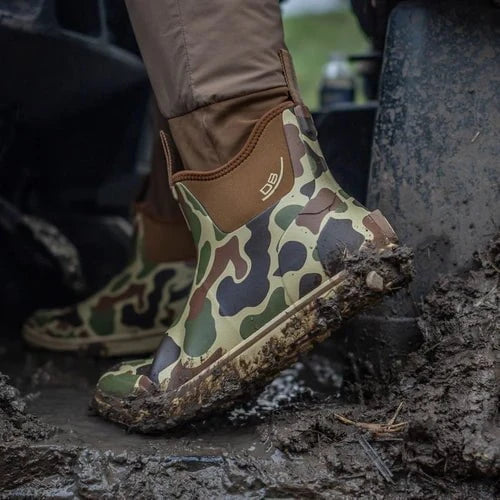
Hunting boots: Waterproof, durable, and comfortable for long days in the field.
-
Hat and gloves: Protect against cold weather or sun exposure.
-
Personal hygiene kit: Include biodegradable soap, toothbrush, and other basics.
-
Insect repellent: Protect against bugs, especially in warmer climates.
Hunting Weapons and Accessories
When it comes to hunting weapons and accessories, there are many options to choose from. Here are a few essentials to consider:
-
Rifle or bow: The type of weapon you choose will depend on the type of game you’re hunting and your personal preference. Make sure you’re comfortable and proficient with your chosen weapon.
-
Scope or sights: A good scope or set of sights can make all the difference in your hunting experience. Look for a scope with a clear and durable lens, and consider a scope with a built-in rangefinder.
-
Tree stand or ground blind: A tree stand or ground blind can be a great way to get up close and personal with your prey. Look for a sturdy and comfortable stand or blind, and consider one with a built-in seat and backrest.
-
Hunting clothes: Good hunting clothes can make a big difference in your comfort and success. Look for clothes that are warm, waterproof, and breathable, and consider a few pairs of extra socks and underwear.
-
Sleeping bag and pad: If you’re planning an extended trip, a good sleeping bag and pad can be essential. Look for a bag with a warm and comfortable rating, and consider a pad with a built-in air mattress.
Some other accessories to consider include:
-
Cast iron skillets: A good cast iron skillet can be a great way to cook up a hearty meal in the field. Look for a skillet with a durable and non-stick coating.
-
Wall tent: A wall tent can provide a comfortable and spacious place to rest and relax. Look for a tent with a sturdy frame and waterproof fabric.
-
Sleeping bags: A good sleeping bag can be essential for a comfortable night’s sleep. Look for a bag with a warm and comfortable rating, and consider a bag with a built-in hood and footbox.
-
Ground blind: A ground blind can be a great way to get up close and personal with your prey. Look for a blind with a sturdy and comfortable design, and consider one with a built-in seat and backrest.
-
Cutting board: A good cutting board can be essential for preparing meals in the field. Look for a board with a durable and non-slip surface, and consider one with a built-in knife sharpener.
By considering these essentials and accessories, you can ensure a successful and enjoyable hunting trip.
Miscellaneous Essentials
Additional tools and items enhance efficiency and adaptability at camp.
-
Trekking poles: Provide stability and reduce fatigue during hikes.
-
Duct tape: Fix gear, patch holes, or secure items in an emergency.
-
Rope or paracord: Use for securing tarps, hanging food, or creating makeshift repairs.
-
Binoculars: Spot game from a distance and survey your surroundings.
-
Notebook and pen: Record observations, maps, or important information.
Tips for Efficient Hunting Camp Setup
-
Choose the right location: Select a flat, dry area with natural windbreaks and proximity to water sources.
-
Set up early: Arrive with enough daylight to establish your camp and familiarize yourself with the area.
-
Organize gear: Designate areas for sleeping, cooking, and storing supplies to maintain an orderly camp.
-
Prioritize safety: Keep fires contained, store food away from sleeping areas, and adhere to local wildlife guidelines.
Conclusion
Setting up successful hunting camps requires preparation, organization, and the right tools. From shelter and cooking gear to navigation and safety equipment, each piece plays a vital role in ensuring a comfortable and efficient basecamp. With careful planning and attention to detail, your hunting camp can be the foundation for a productive and enjoyable outdoor experience.
FAQs
What size tent is best for a hunting camp?
Choose a tent that accommodates the number of people and provides extra space for gear storage. A 3- or 4-person tent is typically sufficient for two hunters with gear.
How do I keep food safe at a hunting camp?
Store perishable food in a cooler with ice packs and use airtight containers to protect dry goods from wildlife. Hang food away from camp if in bear territory.
What’s the best way to process game at camp?
Field dress the animal as soon as possible and use a game hoist or gambrel to assist with processing. Keep the meat cool and store it in game bags or a cooler.
How can I make a hunting camp more comfortable?
Bring folding chairs, a camp table, and extra layers for warmth. Keep the camp organized to minimize stress and improve efficiency.
Should I bring a generator to a hunting camp?
A generator can be helpful for extended trips but may not be practical for remote areas. Solar chargers or portable power banks are quieter, lightweight alternatives.