


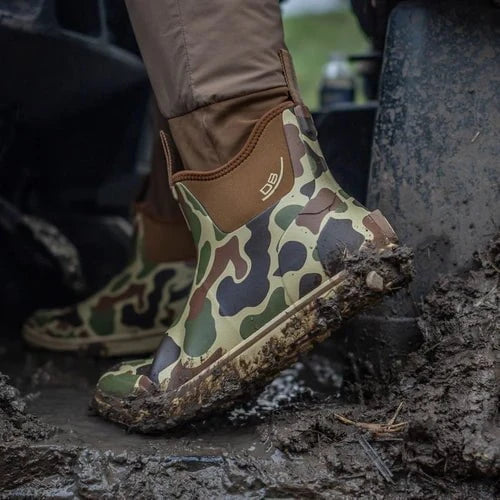
Hunting Disguises
Effective camouflage is essential for hunters aiming to blend into their surroundings and get closer to game. Two popular options for concealment are ghillie suits and traditional camo, each with its strengths and limitations. Choosing the right option depends on the type of hunting you do, the environment, and the level of concealment you need. Here’s a comparison with a few reasons for choosing each option to help you decide which is better for your hunting needs.
Understanding Ghillie Suits
Ghillie suits are designed for maximum concealment by mimicking natural foliage. They are typically made with netting or fabric adorned with strips of material or synthetic fibers that resemble grass, leaves, or other natural elements.
Selecting the best ghillie suit is crucial for effective concealment, as it ensures the suit blends seamlessly with the surroundings and effectively disguises the wearer's outline.
Benefits of Ghillie Suits
-
Superior concealment: The 3D texture breaks up your outline and blends seamlessly into dense vegetation, making them ideal for hunting in forests or grasslands.
-
Customizable: You can add local foliage to enhance the suit’s effectiveness for specific environments.
-
Effective for stationary hunting: Ghillie suits excel when hunters remain still, such as when lying in wait near a trail, watering hole, or decoy setup.
-
Leafy suit benefits: Leafy suits are highly effective in breaking up the hunter's outline, providing excellent concealment. They feature added dimensions with 3D leaves, enhancing breathability and versatility across different terrains.
Drawbacks of Ghillie Suits
-
Heat and bulk: Ghillie suits can be heavy, hot, and cumbersome, making them uncomfortable for long hikes or active hunts.
-
Limited mobility: The material can snag on branches, bushes, or fences, hindering movement.
-
Specialized use: Ghillie suits work best in environments with dense cover and may not perform well in open areas.
-
Bow arm sleeve issues: Excess material on the bow arm sleeve can interfere with the bow string during shooting. Modifications to the bow arm sleeve can reduce this interference, ensuring a more efficient shot with minimal obstruction.
Understanding Traditional Camo Patterns
Traditional camo patterns are designed to match specific environments, such as woodlands, wetlands, or desert terrain. They typically consist of printed patterns on lightweight, durable fabrics. There is a wide variety of camo clothing available, and selecting the right gear for different seasons is crucial to ensure hunters remain hidden from wildlife.
Benefits of Traditional Camo
-
Lightweight and breathable: Ideal for active hunts, traditional camo is designed to keep you comfortable during long treks or warm weather.
-
Versatile patterns: Camo comes in various designs tailored to specific habitats, allowing you to match the terrain with minimal effort.
-
Importance of camo pattern: Selecting the right camo pattern is crucial for enhancing concealment abilities across various environments. Different camo patterns can either contribute to or detract from the effectiveness of blending with surroundings, especially during different hunting seasons.
-
Improved mobility: Traditional camo is less restrictive and doesn’t snag easily, making it suitable for fast-paced hunts or stalking.
-
Practical features: Hunting clothing with camo patterns often includes built-in features like pockets, scent-blocking technology, and waterproofing.
Drawbacks of Traditional Camo
-
Less effective for close encounters: While camo patterns help blend into the background, they don’t break up your outline as effectively as a ghillie suit.
-
Limited to specific environments: Mismatched camo patterns can make you stand out rather than blend in, reducing effectiveness.
-
Limitations of regular camo: Regular camo is effective for breaking up outlines and blending into the environment, but it lacks the superior concealment features of more advanced options like ghillie suits. Using a leafy suit offers enhanced realism and better concealment, making it less likely for wary game to detect hunters.
Key Factors to Consider
Choosing between a ghillie suit and traditional camo depends on several factors, including your hunting style, environment, and personal preferences.
Type of Hunting
-
Stationary hunting: Ghillie suits are superior for hunters who spend most of their time in one spot, such as waterfowl blinds, ground setups, or ambush locations.
-
Challenges of hunting deer: Hunting deer, especially whitetail deer, presents unique challenges due to their acute senses. Effective camouflage, like a ghillie suit, is crucial to blend into the surroundings and avoid detection, increasing the chances of getting close enough for a successful shot.
-
-
Active hunting: Traditional camo is better for hunters who cover a lot of ground or stalk game, offering greater mobility and comfort.
Environment
-
Dense vegetation: Ghillie suits excel in forests, grasslands, or thick brush where their 3D texture mimics the surrounding environment.
-
Deer hunting: Ghillie suits are particularly effective in dense vegetation for deer hunting, as they help hunters remain concealed from deer by blending seamlessly with the natural surroundings.
-
-
Open terrain: Traditional camo is more practical in open fields, wetlands, or desert areas where a lighter, streamlined approach is more effective.
Weather and Climate
-
Hot weather: Traditional camo is usually more breathable and comfortable in warm climates, while ghillie suits can be stifling.
-
Early season: Selecting lightweight and breathable gear is crucial for early season hunts. Ghillie suits and leafy suits designed for ventilation and comfort are ideal for warm weather conditions, ensuring you stay cool and mobile.
-
-
Cold weather: Ghillie suits provide extra insulation, but traditional camo with layering can achieve similar warmth without sacrificing mobility.
Game Species
-
Elusive prey: For highly alert animals like deer or predators, the advanced concealment of a ghillie suit may give you an edge.
-
Fast-paced hunts: Traditional camo is better suited for upland birds, turkey, or other species requiring mobility and quick reaction times.
-
Turkey hunting: Lightweight leafy ghillie suits, specifically designed for turkey hunting, offer better ventilation compared to traditional designs. This makes them an ideal choice for hunters looking for comfort and concealment in warmer conditions.
Practical Tips for Each Option
Maximizing Ghillie Suit Effectiveness
-
Customize the suit with local vegetation to better match the environment.
-
Use a lightweight version to reduce heat and bulk during long sits.
-
Limit movement to take full advantage of the suit’s concealment.
Maximizing Traditional Camo Effectiveness
-
Choose patterns specific to the terrain you’ll be hunting, such as woodlands, wetlands, or open plains.
-
Pair your camo with a matching hat, gloves, and face mask to cover exposed skin.
-
Combine traditional camo with natural cover, such as trees or bushes, for additional concealment.
Combining Both for Versatility
In some cases, combining elements of both ghillie suits and traditional camo can provide the best results. For example, wearing traditional camo as your base layer and adding ghillie-style accessories like a lightweight veil or hood can enhance concealment without sacrificing mobility. Additionally, incorporating a leaf suit can further enhance camouflage by breaking up the wearer's outline and making them blend in more seamlessly with their surroundings, appearing more like foliage rather than just a person in camo.
Conclusion
The choice between a ghillie suit and traditional camo ultimately depends on your hunting style, the environment, and the game you’re pursuing. Ghillie suits offer unmatched concealment in dense terrain but may be too cumbersome for active hunts. Traditional camo provides versatility, comfort, and practicality, making it a better choice for most hunting scenarios. Assess your needs and environment to choose the option that best suits your hunting goals. Additionally, selecting appropriate gear for different hunting seasons, including turkey season, is crucial to ensure effectiveness and comfort in varying weather conditions.
FAQs
Are ghillie suits worth the investment for hunting?
Ghillie suits are worth it for hunters who focus on stationary setups in dense environments or need superior concealment for wary game.
Can traditional camo work in dense forests?
Yes, traditional camo with patterns designed for woodland or forest environments works well in dense areas, especially when paired with natural cover.
How do I customize a ghillie suit for hunting?
Add local foliage, such as leaves or grass, to the suit’s netting to better match your surroundings and enhance concealment.
What is the best option for long-distance stalking hunts?
Traditional camo is better for stalking hunts, as it allows for greater mobility and comfort over long distances.
Can I use a ghillie suit in open terrain?
While possible, ghillie suits are less effective in open areas due to their bulk and the lack of matching natural cover. Traditional camo is more practical in these environments.