


Grouse hunting is a challenging and rewarding pursuit that requires skill, patience, and an understanding of this elusive bird's behavior and habitat. Known for their unpredictable flight patterns and preference for dense cover, grouse are considered a prized quarry among upland hunters. Here’s a guide to help you track and hunt grouse effectively.
Track and Hunt Grouse
Daily Activity Patterns
Feeding: Grouse forage actively during the early morning and late afternoon, seeking specific food sources such as berries, young leaves, seeds, fruits, insects, and buds.
Roosting: During the day, grouse roost in dense vegetation or under tree cover for protection.
Movement: These birds are relatively sedentary, often staying within a small home range, but they can move unpredictably when disturbed.
Senses and Defense Mechanisms
-
Vision: Grouse have excellent eyesight and detect movement easily, making stealth essential.
-
Hearing: Sharp hearing helps them detect predators, so avoid loud noises or sudden sounds.
-
Camouflage: Their plumage blends perfectly with the forest floor, making them hard to spot until they flush.
Scouting and Tracking Grouse
Identify Ideal Ruffed Grouse Habitats
-
Dense Cover: The ideal ruffed grouse habitat is a mix of various forest types, including young forests with aspen, birch, and alder stands. Look for areas with thick underbrush for protection.
-
Food Sources: Understanding grouse habitat is crucial for successful hunting. Search near berry bushes, mast-producing trees (like oak), or areas with plenty of insects.
-
Edges and Transitions: Grouse are often found at the edges of different habitat types, such as where a young forest meets an open field.
Signs of Grouse Presence
-
Droppings: Look for small, cylindrical droppings in feeding or roosting areas, which are common signs of ruffed grouse presence.
-
Feather Evidence: Feathers on the ground may indicate grouse activity in the area.
-
Dusting Spots: Grouse often create shallow depressions in the soil for dust bathing, especially in dry areas.
Time Your Hunt
Morning and Evening: Successful grouse hunting is most likely when you time your hunts based on the birds' activity patterns, as grouse are most active during these times, moving between feeding and roosting areas.
Weather Conditions: Overcast, calm days are ideal, as grouse tend to move less during strong winds or heavy rain.
Essential Grouse Hunting Gear
Firearms and Ammunition
-
Shotgun: A 20-gauge or 12-gauge shotgun is ideal, with a shorter barrel for maneuverability in dense cover.
-
Chokes: Use an improved cylinder or modified choke for a wider shot pattern at close range.
-
Ammunition: No. 7.5 or No. 8 shot provides an effective balance of spread and stopping power for grouse.
Clothing and Footwear
-
Camouflage or Earth Tones: Wear clothing that blends with the forest environment but includes blaze orange for visibility to other hunters.
-
Brush Pants: Durable pants that resist briars and thorns are essential for navigating dense cover.
-
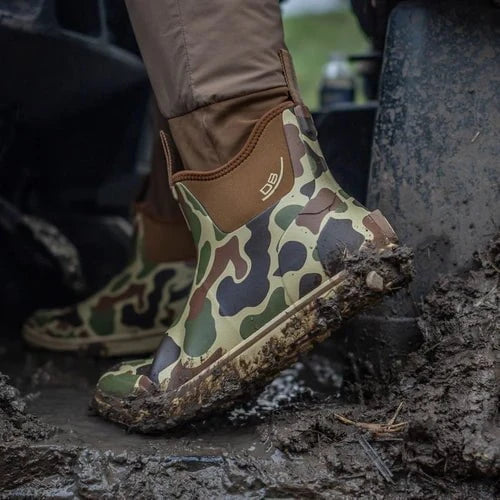
Sturdy Boots: Waterproof, ankle-supporting boots with good traction help in uneven and wet terrain.
Accessories
-
Game Vest: Lightweight with storage for shells and harvested birds.
-
Binoculars: Useful for scanning edges and open areas.
-
First Aid Kit: Always carry a small kit for minor injuries.
-
Bird Dog: A well-trained bird dog is crucial for locating and flushing birds. Training techniques such as basic obedience, scent recognition, and communication through hand signals and whistles can significantly enhance the dog's performance in the field.
Hunting Techniques
Walk-and-Pause Method
-
How It Works: Walk slowly and stop periodically to mimic predator behavior. Grouse will often flush when they feel threatened by your pauses.
-
Tips: Be unpredictable in your movements and scan the area ahead as you walk.
Use of Flushing Dogs
Pointing Dogs: In ruffed grouse hunting, these dogs locate and hold birds in place, allowing hunters to approach and prepare for a shot, making them essential for upland bird hunting.
Flushing Dogs: Flushing dogs push grouse into flight, often working close to the hunter in dense cover.
Popular Breeds: German Shorthaired Pointers, English Setters, and Springer Spaniels are commonly used for grouse hunting.
Focus on Edges
Hunt along the edges of habitat transitions, such as where young forests meet open fields or where different types of vegetation overlap, particularly in grouse woods. Grouse often feed and travel in these areas.
Work Against the Wind
-
Hunt into the wind to minimize noise and help your dog pick up the scent of nearby grouse.
Be Ready for Fast Shots
-
Grouse flush unpredictably and fly rapidly, often using trees and cover to escape. Keep your shotgun at the ready and practice quick mounting and shooting.
Shooting Tips for Grouse
-
Quick Reaction: Grouse rarely give you much time to aim, so be prepared to react immediately when they flush.
-
Lead the Bird: Aim slightly ahead of the bird’s flight path to account for its speed and direction.
-
Follow Through: Maintain your swing after firing to ensure accuracy.
-
Choose Shots Wisely: Only shoot when you have a clear line of sight to avoid wounding the bird or wasting ammunition.
After the Hunt
Field Dressing
-
Quick Cleaning: Field dress grouse promptly to preserve meat quality. Remove the entrails and feathers, or skin the bird entirely.
-
Cooling the Meat: Keep harvested birds cool during transport to avoid spoilage.
Cooking Grouse
-
Lean Meat: Grouse meat is flavorful but lean, so it’s best cooked with moist methods like roasting, braising, or stewing.
-
Popular Recipes: Grilled grouse breasts, grouse stew, and pan-fried grouse are all excellent options.
Ethical Grouse Hunting Practices
-
Respect Bag Limits: Follow local regulations to ensure sustainable populations.
-
Retrieve All Game: Make every effort to recover downed birds, using a dog if necessary.
-
Leave No Trace: Clean up after yourself and avoid damaging the environment.
-
Support Conservation Organizations: Join and support the Ruffed Grouse Society to contribute to habitat preservation and promote ethical hunting practices. The society plays a crucial role in maintaining healthy ruffed grouse populations and supporting various initiatives aimed at protecting grouse habitats.
Conclusion
Hunting grouse requires a combination of patience, skill, and an understanding of the bird’s habits and habitat. By preparing properly, using the right techniques, and practicing ethical hunting, you can enjoy the thrill of pursuing this elusive game bird. Each hunt provides the opportunity to connect with nature and hone your skills, making grouse hunting a rewarding experience.
FAQs
What’s the best time of year for grouse hunting?
Fall is the best season for a successful grouse hunt, as grouse are active and their habitats are easier to access before winter snow.
Can I hunt grouse without a dog?
Yes, many hunters successfully pursue grouse without a dog by using techniques like the walk-and-pause method or focusing on habitat edges.
What is the best habitat for finding grouse?
Young forests with dense underbrush, especially near food sources like berries and mast, are ideal habitats for grouse.
How do I avoid missing grouse shots?
Practice quick mounting and shooting at the range. Focus on leading the bird and following through after firing.
Are grouse difficult to hunt?
Grouse are challenging due to their elusive nature, unpredictable flushing, and preference for dense cover, but they are rewarding for those willing to put in the effort.