


Turkey hunting is a thrilling pursuit that requires a combination of patience, skill, and strategy. Wild turkeys are highly alert birds with excellent vision and hearing, making them challenging but rewarding game for hunters. To increase your chances of success, understanding their behavior, using effective techniques, and preparing thoroughly are essential.
Understanding Turkey Behavior
Daily Activity Patterns
-
Morning: Turkeys are most active in the early morning, leaving their roosts to feed and move through their territory.
-
Midday: Activity slows as turkeys rest, often staying in shaded areas or moving less conspicuously.
-
Evening: Turkeys become active again, returning to roosting sites as the sun sets.
Habitat Preferences
-
Roosting Areas: Turkeys prefer tall trees with open understories for roosting.
-
Feeding Zones: Look for fields, pastures, and areas with abundant food sources like acorns, berries, or insects.
-
Travel Corridors: Turkeys use well-defined trails or open areas to move between feeding and roosting sites.
Identifying Turkey Species
Wild turkeys are fascinating creatures, and understanding the different species can significantly enhance your hunting experience. There are two main species of wild turkeys: the Eastern Wild Turkey and the Western Wild Turkey. The Eastern Wild Turkey is the most common and can be found throughout the eastern and central United States. Known for its dark plumage and iridescent feathers, this species is a favorite among turkey hunters.
On the other hand, the Western Wild Turkey, often referred to as the Merriam’s Wild Turkey, is distinguished by the striking white tips on its tail feathers. This species inhabits the western United States, thriving in mountainous regions and open woodlands. Additionally, there are several subspecies of wild turkeys, including the Rio Grande Wild Turkey, which is prevalent in the central plains, and the Osceola Wild Turkey, found primarily in Florida.
Identifying the species of wild turkey you are hunting is crucial, as each has unique habits and preferred habitats. This knowledge can help you tailor your hunting strategies to increase your chances of a successful turkey hunt. Understanding these differences is essential for anyone interested in hunting wild turkeys.
What’s In a Turkey’s Diet?
Wild turkeys are omnivores, meaning their diet includes both plant and animal matter. Understanding what wild turkeys eat can be a game-changer for hunters, as it helps pinpoint areas where turkeys are likely to be found. In the spring, wild turkeys primarily consume grasses and leaves, taking advantage of the fresh, tender vegetation. As the season progresses, their diet shifts to include more seeds and nuts, which are abundant in the fall. It is important to understand these dietary shifts during fall turkey seasons to better plan your hunting strategy.
In addition to plant matter, wild turkeys also feast on insects like grasshoppers and crickets, providing a rich source of protein. They are opportunistic feeders and will even eat small animals such as lizards and snakes when available. By familiarizing yourself with the dietary preferences of wild turkeys, you can better identify potential feeding zones and increase your chances of encountering these elusive birds.
Communication
-
Turkeys use various vocalizations, including gobbles, clucks, yelps, and purrs, to communicate.
-
Understanding these calls and their meanings can help you attract birds effectively.
-
Turkey Calling Tips: Mix up calling sounds, start softly, and use different types of calls, such as mouth and friction calls, to create diverse and engaging sounds that can entice turkeys. Strategic calling, including volume control and sound variation, is key to success in turkey hunting.
Essential Turkey Hunting Gear
Firearms and Ammunition
Shotgun: Turkey guns, such as a 12- or 20-gauge shotgun with a full or extra-full choke, are ideal for turkey hunting.
Ammunition: Use turkey-specific loads, such as #4, #5, or #6 shot, to ensure proper penetration and spread.
Camouflage
-
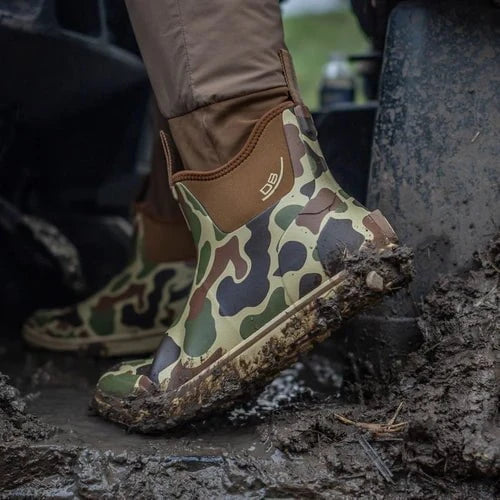
Clothing: Full camouflage, including gloves and a face mask, is crucial for concealing yourself from a turkey’s sharp vision.
-
Patterns: Match your camo to the terrain and vegetation of your hunting area.
-
Turkey Hunting Clothing: Emphasize the importance of turkey hunting clothing for maximizing concealment and protecting against outdoor elements, such as insects. Use specific gear to enhance stealth while hunting and to guard against ticks and other pests during the season.
Calls
-
Box Calls: Easy to use and produce loud, realistic sounds, ideal for long-distance calling.
-
Slate Calls: Offer precise control and versatility for soft clucks and purrs.
-
Mouth Calls: Hands-free option that allows for continuous calling while keeping your firearm ready.
Other Gear
-
Decoys to attract turkeys visually.
-
A comfortable, lightweight hunting chair or cushion for long sits.
-
Binoculars to spot turkeys from a distance.
-
A turkey vest with compartments for gear and harvested birds.
Scouting and Setup
Pre-Hunt Scouting
-
Locate Roosting Sites: Use early-morning or late-evening scouting to listen for gobbles and pinpoint roosting areas. Scouting during the spring turkey season is especially important as turkeys are more vocal and dispersed, making it easier to locate their roosting sites.
-
Identify Travel Patterns: Look for tracks, droppings, and dusting areas to understand turkey movement.
-
Use Trail Cameras: Monitor turkey activity to determine the best locations for hunting.
Selecting Your Hunting Spot
-
Choose areas near roosting sites, feeding zones, or travel corridors.
-
Set up with natural cover, such as trees or brush, to blend into the surroundings.
-
Position yourself downwind to avoid spreading your scent.
Calling Techniques
Types of Calls
-
Yelps: Mimic a hen’s call to attract gobblers.
-
Clucks: Short, soft calls that signal contentment or curiosity.
-
Purrs: Gentle calls that indicate a relaxed bird, ideal for close encounters.
-
Gobble: Mimic a male turkey’s gobble sparingly to challenge dominant gobblers.
Turkey Calling Tips for Effective Calling
-
Start with soft calls and gradually increase volume if there’s no response. Utilizing seasoned turkey hunting tips can significantly improve your calling techniques.
-
Mimic the rhythm and tone of real turkeys to create a convincing call.
-
Be patient, as turkeys may take time to respond or approach cautiously.
Using Decoys
Types of Decoys
-
Hen Decoys: Attract gobblers looking to mate.
-
Jake Decoys: Challenge dominant gobblers by simulating a young male.
-
Full-Strut Decoys: Mimic a dominant gobbler to provoke aggressive responses.
Placement Tips
-
Position decoys within 20-30 yards of your setup for effective shooting.
-
Face decoys toward or away from likely turkey approach paths to draw attention.
-
Adjust decoy setups based on turkey behavior and the time of season. It is crucial to modify your decoy arrangements according to the specific challenges and conditions of the turkey season.
Hunting Techniques
Early Morning Hunts
-
Set up before dawn near known roosting areas.
-
Use soft tree yelps to simulate a hen waking up and attract nearby gobblers.
-
Be prepared for quick shots as turkeys may approach soon after leaving the roost.
Midday Hunts
-
Focus on feeding areas or shaded spots where turkeys rest.
-
Use clucks and purrs to entice less vocal birds.
-
Be patient, as midday hunts often require longer waits for turkeys to appear.
Evening Hunts
-
Set up near roosting sites where turkeys return as the day ends.
-
Use soft, subtle calls to avoid spooking birds that are settling in for the night.
Advanced Strategies
Ambush Hunting
-
Identify predictable turkey travel routes and set up along their path.
-
Stay completely still and quiet to avoid detection.
Stalking
-
Move slowly and use natural cover to approach turkeys.
-
Avoid sudden movements and maintain a low profile to remain undetected.
Adjusting for Weather in Spring Turkey Hunting
-
In rainy conditions, turkeys often move to open fields where they can see predators more easily.
-
On windy days, turkeys may stay in sheltered areas or dense cover.
Using Technology to Hunt Turkeys
In the modern age, technology has become an invaluable ally for turkey hunters. One of the most commonly used tools is the GPS device, which helps hunters navigate the woods and locate prime hunting spots. GPS devices can mark waypoints, track your movements, and ensure you stay on course, making your hunting trips more efficient and productive.
Trail cameras are another essential piece of technology for turkey hunters. These cameras can be strategically placed to monitor turkey activity, capturing images and videos that reveal patterns in their behavior. By analyzing this data, hunters can identify the best times and locations to hunt wild turkeys.
Some hunters are also turning to drones for scouting purposes. Drones provide a bird’s-eye view of the terrain, allowing hunters to spot turkeys from a distance without disturbing them. Additionally, mobile apps designed for hunters offer features like mapping, weather forecasts, and species identification, further enhancing your hunting experience.
By incorporating these technologies into your hunting strategy, you can gain a significant advantage in locating and tracking wild turkeys, ultimately leading to more successful hunts. Veteran turkey hunters utilize these advanced tools and techniques to overcome common challenges and improve their success in the field.
Spring Turkey Hunting Strategies
Spring turkey hunting is a thrilling and challenging pursuit that requires careful planning and strategy. One of the most critical aspects of a successful spring turkey hunt is thorough scouting. Use GPS devices and trail cameras to identify areas where turkeys are active. Early morning and late evening scouting sessions can help you locate roosting sites and understand turkey movement patterns.
Understanding the behavior of wild turkeys during the spring is also essential. This season is marked by mating activities, making gobblers more vocal and responsive to calls. Familiarize yourself with turkey calling techniques and practice using different types of calls to attract gobblers effectively.
Adaptability is key in spring turkey hunting. Weather conditions can change rapidly, and the presence of other hunters can impact turkey behavior. Be prepared to adjust your strategies based on these factors. Always prioritize safety and ethical hunting practices, respecting both the animals and the environment.
By combining thorough scouting, an understanding of turkey behavior, and a flexible approach, you can increase your chances of a successful spring turkey hunt.
Spring Turkey Hunting Regulations
Spring turkey hunting regulations vary by state, but most states have similar guidelines to ensure sustainable hunting practices and safety. Here are some general regulations to keep in mind:
-
Season Dates: Spring turkey seasons typically run from late March to early May, with exact dates varying by state. It’s crucial to check your state’s specific dates to ensure you’re hunting legally.
-
Bag Limits: Most states have a bag limit of one or two turkeys per hunter, with some states allowing only one tom turkey to be harvested. This helps maintain healthy turkey populations.
-
Hunting Hours: Hunting hours usually begin at sunrise and end at sunset, but some states may have specific hours for certain days or weeks. Always verify the legal hunting hours in your area.
-
License Requirements: Hunters must have a valid turkey hunting license, which can be obtained through the state’s wildlife agency. Make sure your license is up-to-date before heading out.
-
Permit Requirements: Some states require a special permit or stamp to hunt turkeys, especially for non-resident hunters. Check if you need any additional permits to avoid fines.
-
Gear Restrictions: Some states have restrictions on the type of gear that can be used, such as shotguns, rifles, or archery equipment. Ensure your gear complies with local regulations.
-
Baiting and Feeding: Baiting and feeding turkeys is often prohibited, as it can disrupt the natural behavior of the birds. Always hunt ethically and follow the rules to preserve the sport for future generations.
By familiarizing yourself with these regulations, you can ensure a legal and ethical spring turkey hunt, contributing to the conservation of wild turkey populations.
Ethical and Safety Considerations
-
Always identify your target clearly and ensure no other hunters or objects are in your line of fire.
-
Use non-toxic ammunition if required by local regulations.
-
Recover downed birds promptly and process them with care to maximize the use of your harvest.
-
Respect private property boundaries and obtain permission before hunting.
After the Hunt
After a successful turkey hunt, it’s essential to handle the bird properly to ensure food safety and quality. Here are some key steps to follow:
-
Field Dressing: Field dressing the turkey as soon as possible after the hunt will help cool the body and prevent bacterial growth. Use a sharp knife to carefully remove the internal organs, being mindful not to puncture them.
-
Cooling: Cooling the turkey to a temperature of 40°F (4°C) or below within two hours of the hunt will help prevent spoilage. Place the bird in a cooler with ice packs if you’re not processing it immediately.
-
Storage: Storing the turkey in a sealed container or bag will help keep it clean and prevent contamination. If you’re not cooking it right away, refrigerate or freeze the bird.
-
Transportation: Transporting the turkey to a processing facility or home in a clean and covered container will help prevent contamination. Ensure the bird remains cool during transport to maintain its quality.
By following these steps, you can ensure that your harvested turkey remains safe to eat and of the highest quality.
Cleaning and Cooking Your Wild Turkey
Cleaning and cooking a wild turkey requires some special care to ensure food safety and quality. Here’s a step-by-step guide:
-
Cleaning: Cleaning the turkey involves removing the feathers, innards, and any debris from the body cavity. Start by plucking the feathers, which can be done by hand or with a plucking machine. This process can be time-consuming but is essential for preparing the bird for cooking.
-
Plucking: Plucking the turkey involves removing the feathers, which can be done by hand or with a plucking machine. If you prefer, you can also skin the bird, which is quicker but removes the flavorful skin.
-
Evisceration: Evisceration involves removing the innards, including the giblets and gizzards. Make a small incision near the tail and carefully remove the internal organs, being cautious not to puncture them.
-
Rinsing: Rinsing the turkey under cold running water will help remove any remaining debris or bacteria. Ensure the bird is thoroughly cleaned inside and out.
-
Cooking: Cooking the turkey involves heating it to an internal temperature of 165°F (74°C) to ensure food safety. There are many delicious ways to cook wild turkey, including roasting, grilling, and frying. Each method brings out different flavors and textures.
-
Recipes: There are many delicious recipes for wild turkey, including roasting, grilling, and frying. Try marinating the bird in your favorite herbs and spices, or use a brine to enhance its natural flavors. Experiment with different cooking methods to find your favorite way to enjoy wild turkey.
By following these steps, you can ensure that your wild turkey is not only safe to eat but also delicious. Enjoy the fruits of your successful turkey hunt with a meal that celebrates your hard work and skill.
Conclusion
Successful turkey hunting requires preparation, skill, and a deep understanding of turkey behavior. By scouting effectively, using the right gear, mastering calling techniques, and adapting to conditions, you can increase your chances of success in the field. Practicing patience and maintaining ethical standards ensures a rewarding experience and preserves the tradition of turkey hunting for future generations.
FAQs
What time of day is best for turkey hunting?
Early morning is typically the most productive time, as turkeys are active after leaving their roosts. Evening hunts near roosting sites can also be effective.
How close should I set up to a turkey roost?
Set up 100-150 yards away to avoid spooking turkeys while still being close enough to call them in.
What is the best shotgun for turkey hunting?
A 12- or 20-gauge shotgun with a full or extra-full choke is ideal for effective patterns and range.
How can I improve my turkey calling skills?
Practice regularly with different calls and listen to recordings of real turkeys to mimic their sounds accurately.
Should I use decoys while turkey hunting?
Decoys are highly effective, especially in open areas. Use hen decoys to attract gobblers or jake decoys to challenge dominant males.