


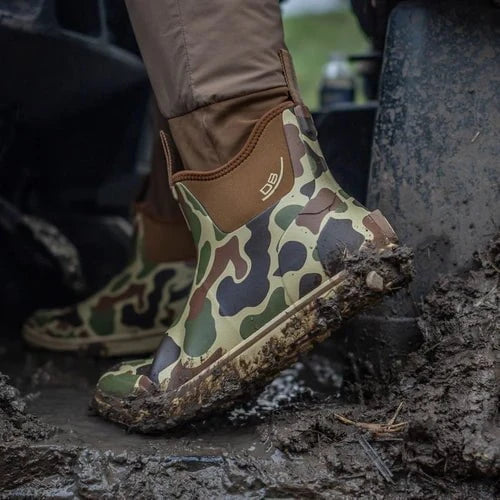
Blending In
Camouflage clothing, particularly ghillie suits, is one of the most effective tools for achieving superior camouflage while hunting. Whether you’re stalking prey in dense forests, open fields, or marshy wetlands, adapting your ghillie gear to the environment ensures maximum concealment and improves your chances of success. Effective blending requires tailoring your suit’s colors, textures, and materials to mimic the natural surroundings while maintaining mobility and comfort.
This guide provides strategies for blending into different environments using ghillie gear, helping you adapt to a variety of terrains and conditions.
Key Principles of Camouflage with Ghillie Gear for Military Snipers
To blend effectively into any environment, follow these fundamental principles:
-
Match Colors: Choose or modify your ghillie gear to reflect the dominant hues of the landscape.
-
Mimic Textures: Incorporate materials that replicate the textures of nearby vegetation and terrain.
-
Break Up Your Outline: Use the 3D effect of ghillie materials to disrupt your silhouette and prevent detection. Prioritize breaking up the outline of the human form to enhance stealth in diverse terrains.
-
Adapt to Lighting: Adjust your gear to account for changes in lighting, such as shadows or bright sunlight.
-
Incorporate Natural Vegetation: Enhance your camouflage by integrating local natural vegetation into your gear, helping you blend seamlessly into various terrains.
Adapting Ghillie Gear for Different Environments
Forested Areas
Forests feature a mix of greens, browns, and grays, depending on the season and tree cover.
-
Colors: Incorporate shades of green and brown during spring and summer. Add more grays and browns in fall and winter.
-
Textures: Use jute or burlap strips to mimic bark, leaves, and underbrush. Unstitch burlap to create individual fiber strands, then shape them into loose strips that can be arranged around a camo mesh base for added detail and realism. Add real twigs, leaves, or moss for added realism.
-
Tips: Focus on breaking up your silhouette by blending with tree trunks, bushes, and shaded areas. Avoid open clearings.
Open Fields and Grasslands
Grasslands require lighter, more uniform camouflage that mimics dry grasses or sparse vegetation.
-
Colors: Use yellows, tans, and light greens to match tall grass or dry fields.
-
Textures: Add long jute strips or raffia to replicate the appearance of grass.
-
Tips: Stay low and move slowly to avoid creating noticeable motion in the open. Adjust the suit to blend with the horizon line. Full body coverage is crucial in open fields to ensure comprehensive concealment and avoid detection.
Wetlands and Marshes
Wetlands feature a mix of water, reeds, and muddy ground, requiring gear that blends with both vegetation and reflective surfaces.
-
Colors: Incorporate olive greens, browns, and dull yellows to match reeds and cattails.
-
Textures: Use raffia, synthetic reeds, and real marsh vegetation to enhance the suit’s realism.
-
Tips: Be mindful of water reflections. Position yourself in shadowed areas to avoid standing out against the water’s surface. Full body coverage is crucial in wetlands to ensure effective concealment and to blend seamlessly with the environment.
Snowy Terrain
Snow-covered environments require white or light-colored camouflage with subtle variations for shadowed or disturbed snow.
-
Colors: Use white as the base, adding light grays or browns to replicate snowdrifts and shadows.
-
Textures: Incorporate lightweight materials that won’t absorb moisture, such as synthetic fabrics or snow-specific gear. Consider using spray paint to customize your camouflage materials, ensuring they blend seamlessly with the snowy terrain.
-
Tips: Minimize movement, as even small motions are highly visible against a white background.
Rocky or Mountainous Terrain
Rocky environments demand a mix of grays, browns, and muted earth tones to blend with the rugged landscape.
-
Colors: Use grays and dark browns to mimic rocks, dirt, and shadows.
-
Textures: Add materials with a coarse, uneven texture to replicate rocky surfaces.
-
Tips: Position yourself near natural cover, such as boulders or ridgelines, to blend effectively. Avoid skylining yourself on high ground. Techniques used in desert environments, such as utilizing light and shadow, can also be effective in rocky terrain.
Urban or Man-Made Environments
In urban areas, subtle camouflage is necessary to blend with structures, debris, or industrial settings.
-
Colors: Use grays, tans, and muted tones to match concrete, brick, or metal surfaces.
-
Textures: Add flat, uniform materials that mimic walls or debris. Avoid overly natural textures that may stand out.
-
Tips: Stay close to walls or obstacles to avoid drawing attention. Move in shadows and avoid well-lit areas.
Techniques for Enhancing Ghillie Gear in the Field
Use Local Natural Vegetation
-
Collect and attach local twigs, grasses, or leaves to your suit to match the environment precisely. Wildlife photographers often use this technique along with ghillie suits to blend into their surroundings and capture images without being detected.
-
Replace or refresh these elements as they wilt or change with the season.
Adjust for Seasonal Changes
-
Modify your ghillie gear’s colors and materials to match seasonal variations in foliage and ground cover.
-
For example, incorporate more greens in spring, browns in fall, and whites in winter. Additionally, for warmer weather, use lightweight and breathable materials to ensure comfort and effectiveness.
Minimize Movement
-
Even with perfect camouflage, excessive movement can give away your position.
-
Move slowly and deliberately, synchronizing with environmental cues like wind or animal movements. Military snipers minimize movement to avoid detection, using precise and controlled techniques to blend seamlessly into their surroundings.
Maintain a Natural Profile
-
Avoid creating unnatural shapes by keeping gear loose and flowing.
-
Pay attention to areas that often reveal a hunter, such as the head, shoulders, and hands. Ensure that an aid kit remains accessible while maintaining a natural profile.
Maintaining and Storing Ghillie Gear
Proper care ensures your ghillie gear remains effective and durable:
-
Clean Regularly: Hand-clean or gently shake out debris after each use. Avoid machine washing, which can damage materials.
-
Repair as Needed: Replace loose or worn jute, burlap, or synthetic strips to maintain effectiveness. If you have your own ghillie suit, ensure you regularly check and repair any custom elements to keep it in top condition.
-
Store Dry: Keep your gear in a dry, ventilated space to prevent mold or mildew.
-
Inspect Before Use: Check for gaps, discoloration, or damage that may reduce camouflage quality.
Conclusion
Blending into different environments with ghillie gear requires thoughtful customization and adaptation to the terrain, vegetation, and lighting conditions. By tailoring your gear to match the surroundings and maintaining proper techniques, you can remain undetected while hunting, increasing your chances of success. With practice and preparation, your ghillie gear becomes an invaluable tool for staying hidden in any environment.
FAQs
How do I customize my ghillie suit for different environments?
Use dyes, local vegetation, and textures that mimic the colors and patterns of the terrain to significantly enhance your camouflage effectiveness. Regularly update your gear for seasonal changes.
Can I use the same ghillie suit for multiple terrains?
Yes, a versatile base suit can be adapted with interchangeable materials, such as jute, raffia, or local vegetation, to suit various environments.
How do I prevent my ghillie suit from becoming too heavy?
Focus on lightweight materials and prioritize high-visibility areas like shoulders and back. Avoid overloading the suit with excess elements.
Is movement still important when wearing a ghillie suit?
Yes, minimizing movement is critical. Even with perfect camouflage, sudden or excessive motion can draw attention.
How often should I replace the materials on my ghillie suit?
Replace or refresh materials as they fade, wear out, or fail to match the environment, ensuring your suit remains effective over time.