


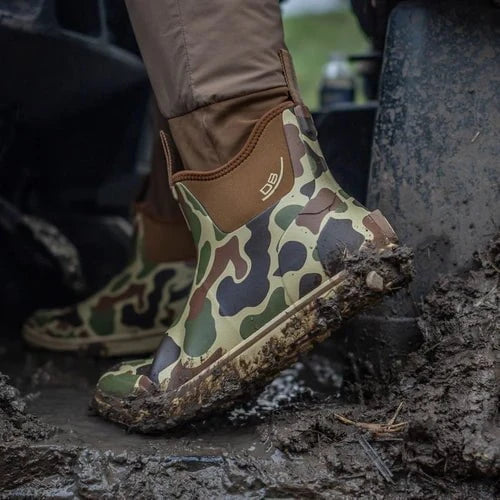
Duck hunting can be an exciting and rewarding pursuit, but success often hinges on a hunter’s ability to remain unseen. The more concealed you are, the better chance you have of drawing in your prey. One of the most crucial aspects of staying hidden is your duck blind. A well-camouflaged blind can make all the difference between a successful hunt and one where the ducks fly off undisturbed. Achieving maximum concealment requires careful planning, attention to detail, and a good understanding of your surroundings. Here’s a guide to help you camouflage your duck blind for the best possible hunting experience.
Camouflage for Maximum Concealment
A duck’s vision is highly developed, and they can detect movement from a significant distance. Pit blinds, a specific type of duck blind dug into the ground, offer excellent concealment for hunters in open fields or shorelines. This makes concealment one of the most important aspects of your hunting setup. Whether you’re hunting in a marsh, on a lake, or in a field, blending in with your surroundings is key. Ducks are naturally wary of anything that stands out, so your blind must be disguised in a way that it appears as just another part of the environment.
Principles of Concealment
Concealment is the primary function of a duck blind. To achieve effective concealment, hunters must use materials that match the natural surroundings. The blind’s shape should mimic nearby vegetation or landscape features. Breaking up the outline of the blind is crucial, and irregular edges and varied textures help disrupt the structure’s silhouette. Hunters often add local vegetation to enhance camouflage, and color matching is vital. The blind’s exterior should blend with the dominant hues of the environment, which may change seasonally, requiring adjustments to the camouflage.
Choosing the Right Location for Your Blind
Before you even start camouflaging your duck blind, it’s essential to choose the right location. Using a portable blind can enhance a hunter's stealth and increase the chances of a successful hunt by effectively blending into the environment. A good blind needs to be placed where ducks naturally congregate and feed, but it also needs to be positioned in a way that takes advantage of natural cover. Permanent blinds offer stability and are suitable for long-term use in specific locations, especially in wetlands. Here are a few tips for choosing the best location for your blind:
-
Use natural cover: Look for areas with tall grasses, reeds, or other vegetation that can help hide your blind from view. A spot near water or at the edge of a field where ducks tend to fly in can be ideal.
-
Avoid open areas: Ducks are more likely to approach your blind if it’s tucked into a natural landscape. Open, exposed areas make it more difficult for your blind to blend in, so look for a spot with surrounding cover to break up the outline of the blind. Making the blind vanish in plain sight is crucial to avoid detection by ducks.
-
Wind direction: Always take the wind direction into account when positioning your blind. Ducks usually fly into the wind, so position your blind downwind to prevent them from spotting you.
Special Considerations for Different Environments
Different environments require special considerations for duck blind placement and construction. In open fields, hunters should choose a location with natural cover, such as a fenceline or a group of trees. In wetlands, permanent blinds or boat blinds may be more effective. In agricultural fields, layout blinds or portable blinds can be used to blend in with the surroundings. Hunters should also consider the type of vegetation and terrain in the area and choose materials that match the natural environment.
Selecting the Right Materials and Natural Cover for Your Blind
The materials you choose for your duck blind can significantly affect how well it blends into its surroundings. Different hunting environments require different materials, but the key is to use items that match the natural colors and textures of the area. Here’s what to consider when selecting materials:
-
Camouflage netting: High-quality camouflage netting is often a go-to choice for blinds because it’s lightweight and easy to work with. You can easily drape it over your blind structure to break up its shape and enhance its concealment. Be sure to choose a pattern that matches the environment you’re hunting in. For marshland, look for patterns with earthy tones like browns, greens, and tans. For fields, patterns that mimic the color of crops or tall grasses will work best.
-
Camo netting: Another effective material is camo netting, which can be used to enhance camouflage for hunting blinds and boats. This artificial material can be draped over structures or combined with natural vegetation to provide better concealment against the surroundings.
-
Natural vegetation: Adding natural materials such as cattails, reeds, grasses, or branches from the local area will help your blind blend seamlessly with its surroundings. These materials can be attached to the blind to cover any exposed parts and give it a more organic, natural appearance. Additionally, it helps to refresh the materials every so often to ensure they don’t dry out or become brittle.
-
Grass mats: In areas with tall grasses or reeds, grass mats can be a useful addition to your blind. These mats are typically woven from grasses and can be draped over the top of your structure to enhance its concealment. They are particularly effective in areas with heavy vegetation, as they mimic the natural growth in the area.
-
Ground cover: If you’re hunting in open fields or areas with low vegetation, consider adding ground cover like straw, leaves, or mud to camouflage your blind. For fields, matching the color of the crops or dirt can help the blind blend in perfectly.
Tips for Effective Camouflage
Once you’ve chosen the location and materials, there are several additional techniques to ensure maximum concealment.
-
Use a low profile: When setting up your blind, try to keep the profile as low as possible. Ducks can see anything above the ground from a distance, so a low-lying blind is less likely to stand out. Avoid creating any large, unnatural silhouettes, and keep the top of your blind as close to the ground as possible.
-
Blend the edges: One of the biggest giveaways for a duck blind is the edges. If the edges of the blind don’t match the surrounding landscape, they can create a stark contrast that will be noticed by flying ducks. Use natural materials to blend the edges of your blind into the surrounding area. For example, you can pile up mud, grass, or reeds at the base of your blind to soften the transition between the blind and the environment.
-
Break up the outline: Ducks are trained to spot anything that stands out. To avoid being noticed, break up the outline of your blind by adding irregular shapes and patterns. This can be done by hanging strips of vegetation or using brush to create shadows and depth around the blind.
-
Overhead cover: To enhance concealment from ducks flying overhead, ensure your blind has adequate overhead cover. This can be achieved using a pitched roof or natural materials like trees and shrubs. Overhead cover helps hide hunters from animals above, increasing the success of the hunt.
-
Match the season: Depending on the time of year, the environment around you will change. Be sure to adjust your camouflage materials to match the season. In the fall, the environment may be drier, with more bare branches and brown foliage, while in spring, the landscape might be lush and green. Keep your blind updated to reflect these changes.
Advanced Camouflage Techniques
Advanced camouflage techniques can enhance the effectiveness of a duck blind. One technique is to use a combination of natural and artificial materials to create a camouflage strategy. Hunters can use camo netting or burlap to break up the outline of the blind and add natural vegetation to blend in with the surroundings. Another technique is to use shade as natural camouflage by setting up the blind with the sun at the hunter’s back or nesting the blind in trees. Hunters can also use wire panels to cover shooting holes and break up open spaces.
Concealing Movement and Sound
While camouflaging your blind is critical, it’s just as important to conceal your movement and sound. Ducks can detect movement from a great distance, so it’s essential to stay as still as possible once you’re in position. To minimize the chance of ducks spotting you:
-
Use a face mask or paint: Camouflage your face with a mask or face paint to blend in with the rest of your blind. A bright face can be a giveaway, even if the rest of your body is concealed.
-
Cover up shiny objects: Avoid wearing shiny clothing or gear that might reflect light. Any glint of sunlight off metal or bright materials can catch the attention of ducks.
-
Keep noise to a minimum: Ducks have keen hearing, so avoid making unnecessary noise. When moving into position, do so quietly and avoid abrupt movements that can alert nearby ducks.
-
Strategic placement of goose decoys: Position goose decoys around your blind to create a natural appearance and reduce the risk of spooking ducks. Blending the blinds with decoys can enhance camouflage and using motion stakes can make the decoy spread more effective in attracting ducks without drawing attention to the hunters.
Camouflage and Stealth
Camouflage and stealth are essential for successful waterfowl hunting. Hunters should choose materials that blend in with their surroundings and conditions. Artificial materials, such as plywood or fabric, can be used in combination with natural materials, such as sticks, branches, and leaves, to create a camouflage strategy. Hunters should also consider the season and adjust their camouflage accordingly. In the fall and winter, a tan base or fabric that looks like dead vegetation may be effective, while in the spring, a more robust-looking green base may be effective.
Layout Blind Setup and Maintenance
Layout blind setup and maintenance are crucial for effective concealment. Hunters should choose a location with natural cover and set up the blind to quarter the wind. This setup allows birds to approach the decoys from the side, rather than directly downwind, making it easier to shoot. Hunters should also use the sun to their advantage by positioning the blind to have the sun behind it. Refreshing the blind with new materials can help it blend in better with the environment, and mid-season, hunters can use extra brush to touch up the blind and make it blend in better.
Conclusion
Camouflaging your duck blind is an essential part of being successful in the field. The key to staying concealed is using natural materials, choosing the right location, and blending your blind into the surrounding environment. By paying attention to detail and taking the time to adjust your blind to match the season and surroundings, you can significantly increase your chances of a successful hunt. A well-hidden blind can make the difference between a hunt filled with action and one where ducks are able to spot you before you even get a shot off.
FAQs
How do I choose the best blind placement for my duck blind?
Choose a location where ducks naturally feed or rest, ideally in an area with natural cover like tall grasses or reeds. Position your blind downwind and avoid exposed areas where ducks are more likely to spot you.
What materials are best for camouflaging a duck blind?
The best materials include camouflage netting, natural vegetation like reeds or grasses, and ground cover that matches the local environment. For open fields, grass mats and straw can also work well.
How can I break up the outline of my duck blind?
To break up the outline, add irregular shapes and patterns by using brush, branches, and vegetation. You can also pile natural materials like grass or mud at the base of the blind to make the edges less noticeable.
Why is camouflage important when hunting ducks?
Ducks have excellent vision and can spot anything that stands out. Camouflaging your blind helps keep you hidden, giving you a better chance to draw in ducks without being detected.
Should I update my blind throughout the season?
Yes, it’s important to update your camouflage materials to match the season. As the landscape changes with weather and time of year, your blind should reflect those changes to remain effective.
Can I use a blind in any type of terrain?
Yes, you can use a blind in various terrains, but the camouflage materials and techniques should match the environment. In marshes, reeds and grasses work best, while fields might require different strategies like using straw or dirt.
How can I reduce noise when using a duck blind?
Move quietly into position, avoid sudden movements, and keep all gear secure to minimize noise. Keeping your movements slow and deliberate helps avoid startling ducks.
Do I need to use a face mask when hunting?
A face mask or face paint helps conceal your face, which is one of the most visible parts of your body. A bright face can easily give away your position, so covering it up improves your chances of staying hidden.
Can I use boat blinds for duck hunting?
Yes, duck blinds can be used on boats, and a boat blind provides mobility and effective concealment for hunters. They should be designed to blend into the environment. Camouflage netting and natural materials can help conceal your boat while still allowing you to hunt effectively.
How often should I refresh my blind’s camouflage?
It’s a good idea to refresh your camouflage regularly, especially if you’re using permanent blinds. Regular maintenance is crucial to ensure they remain well-camouflaged and effective. Natural materials like reeds or grasses can dry out or become brittle, making them less effective over time.