


Duck hunting in the southern marshes offers some of the most exciting and rewarding experiences for waterfowl hunters. The lush wetlands, abundant wildlife, and diverse bird species make these areas a top choice for hunting. However, like any outdoor adventure, planning is essential for a successful trip. From choosing the right location to understanding local regulations, here’s a guide to help you plan your perfect duck hunting trip in the southern marshes.
Duck Hunting in the Southern Marshes
The southern marshes span a wide range of habitats, each with its unique features and waterfowl populations. When selecting a hunting spot, consider factors such as accessibility, waterfowl abundance, and the time of year.
Aquatic vegetation plays a crucial role in attracting ducks to hunting areas, as it provides essential food sources and prime foraging spots, especially in shallow waters.
The Gulf Coast states, such as Louisiana, Texas, and Mississippi, are famous for their marshland hunting opportunities. Louisiana’s coastal marshes, in particular, attract large numbers of migrating ducks each year. Texas also offers prime duck hunting opportunities, especially along the Texas Coastal Bend, where freshwater and saltwater marshes meet. Mississippi’s Delta offers similar hunting opportunities with diverse bird species.
When choosing a location, think about what type of waterfowl you’re targeting. Popular species in the southern marshes include mallards, teal, gadwalls, northern shovelers, and pintails. Each area may attract different species depending on the time of year, so it’s important to research your options.
Obtain the Necessary Permits and Licenses for Duck Hunting
Before heading out to the marshes, make sure you have the correct hunting permits and licenses. Every state has its own regulations, and hunting without the proper paperwork can result in fines or even confiscation of gear.
In addition to your state hunting license, you may need specific permits for waterfowl hunting, such as a federal duck stamp, and compliance with local regulations regarding hunting zones, bag limits, and seasons. The best advice is to consult with state wildlife agencies for legal clarity, as they can provide guidance on any specific requirements for the region you’re planning to hunt in. Local wildlife agencies often have online resources or phone lines where you can get up-to-date information.
Select the Right Gear
The southern marshes can offer varied conditions, from warm temperatures to chilly mornings with fog, so duck hunters must pack the right gear to ensure successful hunting. Here’s a list of essentials for your trip:
-
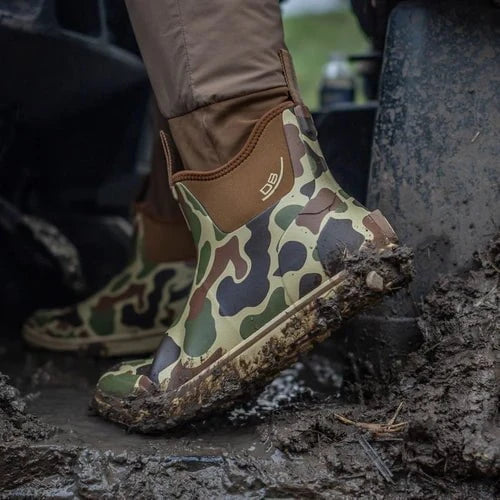
Waterproof Clothing: Since marshes can be wet and muddy, it’s important to bring waterproof clothing, including a durable jacket, pants, and boots to keep you dry. Waders are a must for areas with deeper water.
-
Shotgun and Ammunition: Most waterfowl hunters use a 12-gauge shotgun for duck hunting. Make sure your shotgun is suited for waterfowl hunting, and bring enough ammunition (steel shot is typically required for waterfowl).
-
Decoys: Decoys are a crucial part of waterfowl hunting. The southern marshes are known for attracting large flocks of migrating ducks, and using a variety of decoys—such as mallard, teal, or pintail—can help draw birds in.
-
Blinds: Hunting blinds can provide cover, allowing you to remain hidden from flying ducks. You can either bring a portable blind or use natural cover available in the marsh, like tall grasses or reeds.
-
Binoculars: A good pair of binoculars will help you spot ducks at a distance, giving you time to prepare for a shot.
-
Navigation Tools: Wetlands can be challenging to navigate, especially if you’re hunting in unfamiliar areas. Bringing a GPS device or map can help you find your way and mark good hunting spots.
Understand the Marshland Environment
The southern marshes are home to a wide variety of habitats, from shallow ponds to dense reed beds, so it’s important to understand how these environments affect hunting. These wetlands are often influenced by tides, weather, and seasonal changes, which can impact duck behavior and hunting success. Low tide, in particular, affects duck movement and feeding behavior, requiring hunters to adjust their setups and locations based on the changing tides to ensure a successful hunt.
Marshes can vary in depth, and some areas may be difficult to access, so plan your route accordingly. If you’re hunting from a boat, be mindful of water levels and tide schedules, as they can significantly affect where ducks are likely to be found. Certain species of ducks may prefer different water depths or vegetation types, so researching local duck habits will improve your chances of success.
Timing Your Trip
Timing is crucial for a successful duck hunting trip. In the southern marshes, waterfowl hunting is best during the migratory periods in the fall and winter. These are the times when large numbers of ducks travel south for the winter. Pay attention to migration forecasts and look for reports on duck counts and flight patterns in your chosen region.
Hunting on weekdays can result in seeing more birds due to less hunting pressure.
The early morning hours are typically the best time to hunt, as ducks are more active at dawn. However, you may also find success during late afternoon, especially as ducks return to their resting areas.
Hunt with a Guide or Local Expertise
If you’re new to hunting in the southern marshes or unfamiliar with a specific area, hiring a local guide can be extremely beneficial. Guides are familiar with the local geography, weather patterns, and waterfowl behavior, and they can help you avoid common mistakes. Many experienced guides offer waterfowl hunting packages that include gear, transportation, and local knowledge.
Even if you choose to hunt without a guide, consider connecting with local hunters or hunting clubs for tips and advice. Learning from other hunters can be invaluable in identifying good hunting spots and understanding the nuances of the area.
Respect Local Regulations and Conservation Efforts
Waterfowl populations are managed by strict regulations to ensure sustainable hunting and conservation of species. Always pay close attention to local hunting regulations, including bag limits, hunting hours, and shooting zones. These measures are in place to protect the environment, conserve duck populations, and ensure that future generations of hunters can enjoy the same opportunities.
In addition, be mindful of the environment. Clean up all spent shells, trash, and leftover decoys. Always follow Leave No Trace principles to protect the wetlands and wildlife that call them home.
Conclusion
Planning a duck hunting trip in the southern marshes is an exciting opportunity to experience some of the best waterfowl hunting available. By choosing the right location, obtaining necessary permits, packing the appropriate gear, and understanding the local environment, you can ensure a successful and enjoyable hunting experience. Whether you’re hunting on your own or with a guide, the southern marshes offer a perfect setting to connect with nature, pursue waterfowl, and make lasting memories.
FAQs
What is the best time of year for duck hunting in the southern marshes?
Plan ahead for the best time for duck hunting in the southern marshes, which is during the fall and winter months, particularly during the migratory season when large numbers of ducks are flying south.
Do I need a guide to hunt in the southern marshes?
While it’s not required, hiring a local guide can improve your chances of success, especially if you’re unfamiliar with the area. Gaining access to private land through a guide can lead to less pressured hunting areas and more rewarding experiences. Guides can provide valuable insights into the local environment, waterfowl habits, and best hunting spots.
What gear do I need for duck hunting in the southern marshes?
Essential gear includes waterproof clothing, waders, a shotgun, ammunition, decoys, a hunting blind, binoculars, and navigation tools like a GPS or map. Understanding wind direction is crucial for optimal shooting conditions, as having the wind at your back can significantly improve your chances.
How do I choose the best hunting spot in the southern marshes?
Research the local wetlands and marshes, focusing on areas known for abundant waterfowl populations. Hunting on public land presents unique challenges, such as high competition and the need for careful planning and scouting. Consider factors such as accessibility, water levels, and species of ducks you want to hunt.
Are there any specific regulations for duck hunting in the southern marshes?
Yes, regulations vary by state and area. Having fewer hunters in the immediate area can significantly enhance your hunting success, as it affects the behavior and availability of ducks. Make sure to obtain the necessary permits, and familiarize yourself with local hunting hours, bag limits, and shooting zones to stay in compliance with conservation efforts.