


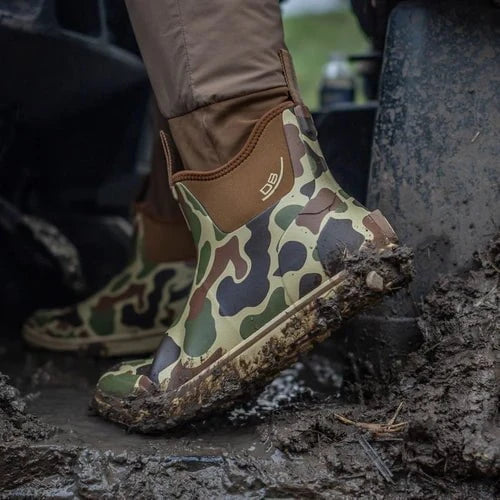
Wild turkeys are elusive and highly alert, making spotting and tracking them a skill-intensive aspect of turkey hunting. Their keen eyesight, acute hearing, and unpredictable movements require careful preparation and attention to detail. Learning how to locate, track, and interpret signs of turkey activity is essential for a successful hunt.
Introduction to Wild Turkeys
Wild turkeys are a fascinating species that have captivated the hearts of many hunters and outdoor enthusiasts. These birds are known for their striking appearance, impressive size, and unique characteristics. Whether you’re a seasoned hunter or a nature lover, understanding wild turkeys can enhance your appreciation for these remarkable creatures.
Wild turkeys are native to North America and can be found in a variety of habitats, including forests, grasslands, and wetlands. They are highly adaptable and have managed to thrive in diverse environments. For many hunters, the challenge of tracking and hunting these elusive birds adds to their allure.
Characteristics of Wild Turkeys
Wild turkeys are large, ground-dwelling birds that belong to the Phasianidae family. They are known for their keen senses and social behaviors, which make them both intriguing and challenging to hunt.
Male wild turkeys, also known as toms, are the most recognizable due to their vibrant plumage and impressive size. Toms can grow up to 4 feet in length and weigh between 16 and 24 pounds. Their feathers have a distinctive red, blue, and purple sheen, which they use to attract mates and defend their territory. During the spring turkey season, toms are often seen displaying their tail feathers in a fan-like manner, accompanied by their iconic gobbling calls.
Female wild turkeys, or hens, are smaller and less colorful than toms. They have a more subdued brown and gray plumage, which helps them blend in with their surroundings. Hens are also known for their distinctive clucking calls, which they use to communicate with other turkeys and their young. Despite their less flashy appearance, hens play a crucial role in the survival and propagation of the species.
Daily Movement Patterns
-
Roosting: Turkeys roost in trees overnight, typically in tall hardwoods with clear surroundings. They descend to the ground at dawn.
-
Feeding: After leaving the roost, turkeys move to feeding areas, such as open fields or woodlands rich in acorns, insects, or berries.
-
Traveling: Turkeys often use defined travel routes between feeding, watering, and roosting areas.
-
Midday Resting: During midday, turkeys may seek shaded areas to rest and dust bathe.
Preferred Habitats and Roost Trees
-
Open Fields: Turkeys forage for food in agricultural fields and pastures.
-
Woodlands: Mature forests with mixed hardwoods and clear understories provide cover and food.
-
Edges: Habitat transitions, such as field-forest edges, are prime turkey activity zones.
How to Spot Wild Turkeys
Scouting for Turkeys
-
Early Morning and Evening Scouting: Listen for gobbling at dawn and dusk to locate roosting sites.
-
Trail Cameras: Set up cameras along trails, feeding areas, and near water sources to monitor activity.
-
Spotting from a Distance: Use binoculars to scan open fields and forest edges for movement or feeding turkeys.
Signs of Turkey Activity
-
Tracks: Look for three-toed footprints in soft soil, mud, or snow. Tracks often appear near water sources or along trails.
-
Droppings: Turkey droppings are distinctive. Male droppings are often J- or spiral-shaped, while female droppings are more clumped.
-
Feathers: Shed feathers, particularly wing or tail feathers, indicate turkey activity in the area.
-
Scratches: Turkeys scratch the ground while foraging, leaving behind areas of disturbed leaves or soil.
-
Dusting Areas: Look for shallow depressions in dry, loose dirt where turkeys dust bathe to clean themselves and remove parasites.
Using Calls to Locate Turkeys
-
Locator Calls: Use owl hoots, crow calls, or coyote howls to prompt a gobbler to respond without alerting them to your position.
-
Turkey Calls: Soft yelps or clucks can elicit responses from nearby turkeys, especially during the morning. However, be cautious as using gobble calls can attract fellow hunters to your location, posing a safety risk.
How to Track Wild Turkeys
Following Tracks
-
Identify tracks near food sources, water, or trails.
-
Observe track size and direction to determine the turkey's movement pattern.
-
Follow the tracks cautiously, maintaining a low profile to avoid detection.
Using Other Signs
-
Follow trails with visible scratching or droppings. These often lead to feeding or roosting areas.
-
Pay attention to feather locations, which may indicate where turkeys have flown down or rested.
Staying Stealthy
-
Move Quietly: Walk slowly, avoiding branches and dry leaves that can create noise.
-
Blend In: Wear full camouflage, including gloves and a face mask, to remain hidden from the turkey’s sharp eyesight.
-
Use Cover: Stay behind natural cover, such as trees or bushes, as you follow tracks.
Best Practices for Spotting and Tracking
Know the Terrain
-
Familiarize yourself with the area you’re hunting in, including topography and vegetation.
-
Identify high-activity zones, such as field edges, ridges, and watering spots.
Patience and Observation
-
Sit quietly in an area with known turkey activity and listen for natural sounds, such as clucks or rustling leaves.
-
Use binoculars to scan large areas without moving too much.
Decoy Placement
-
Set up decoys in areas where you’ve tracked turkey activity to draw birds closer.
-
Use a hen decoy for a relaxed setup or combine with a jake decoy to provoke gobblers.
Adjust to Weather Conditions
-
Rainy Days: Turkeys tend to move into open fields where their visibility improves.
-
Windy Days: Focus on sheltered areas, such as valleys or dense woodlands, where turkeys seek refuge.
Hunting Strategies for Turkey Hunters
Turkey hunting is a challenging and rewarding experience that requires skill, patience, and knowledge. In this section, we will explore various hunting strategies that can help you succeed in the field.
Pre-Season Preparation
Pre-season preparation is essential for a successful turkey hunt. This includes scouting for turkey sign, such as tracks, droppings, and feathers, to identify areas where turkeys are likely to be found. Look for turkey tracks near food sources, water, or trails, and observe the size and direction to determine the turkey’s movement pattern. It’s also important to familiarize yourself with the terrain, including the location of roost trees, feeding areas, and water sources.
Many hunters use this time to practice their calling skills, trying out different types of turkey calls and techniques to see what works best for them. Whether you prefer mouth calls, box calls, or slate calls, honing your turkey calling skills can make a significant difference in the field. It’s also a good idea to check your gear, including your shotgun, camouflage, and other equipment, to make sure everything is in working order.
Hunting Techniques
There are several hunting techniques that can be effective for turkey hunting. One popular method is to use a combination of calls and decoys to attract turkeys to your location. This can be especially effective during the spring turkey season, when toms are actively seeking out mates. Setting up a hen decoy in a relaxed posture or combining it with a jake decoy can provoke gobblers and draw them closer.
Another technique is to use a blind or hide to conceal yourself from the turkeys. This can be especially effective in areas with high hunting pressure, where turkeys may be more wary of hunters. By staying hidden and using natural cover, you can increase your chances of getting within range for a successful shot.
Many hunters also use crow calls to locate turkeys, especially during the early morning hours when turkeys are most active. By using a crow call to mimic the sound of a crow, you can often get turkeys to respond with their own calls, giving away their location. This can be a valuable tool for pinpointing the whereabouts of turkeys in the turkey woods.
Regardless of the technique you use, it’s essential to be patient and quiet, as turkeys have excellent hearing and can easily detect the presence of hunters. By taking the time to prepare and using the right techniques, you can increase your chances of a successful turkey hunt.
Ethical Tracking Practices
-
Always identify your target and ensure you have a clear, ethical shot.
-
Recover downed turkeys promptly and handle them respectfully.
-
Avoid over-calling or spooking turkeys, which can make them more wary and difficult to hunt.
Conclusion
Spotting and tracking wild turkeys requires a blend of preparation, patience, and adaptability. By understanding turkey behavior, recognizing signs of activity, and honing your stealth and tracking skills, you can increase your chances of success. With persistence and attention to detail, you’ll be well on your way to a rewarding turkey hunting experience.
FAQs
What time of day is best for spotting turkeys?
Early morning and late evening are the best times to spot turkeys as they are most active during these periods.
How can I identify turkey tracks?
Turkey tracks have a distinctive three-toed shape. Male tracks are larger than female tracks, and they are often found near feeding or watering areas.
What should I do if I lose a turkey’s trail?
If you lose a trail, circle back to the last known sign and look for additional tracks, droppings, or feathers to reestablish the path.
Can I track turkeys in the rain?
Yes, turkeys often move to open fields during rain, making them easier to spot. Look for fresh tracks in muddy areas.
How close should I get before taking a shot?
Wait until the turkey is within 20-40 yards, depending on your firearm or bow, to ensure a clean and ethical shot.