


Hunting ducks in coastal wetlands presents unique challenges and opportunities for hunters. These areas, often influenced by tidal movements, offer abundant habitat for waterfowl, but they also require specific strategies and knowledge to navigate successfully. Coastal wetlands are dynamic environments where the interplay of tides, salinity, and vegetation creates a habitat that waterfowl depend on for feeding, resting, and shelter. To maximize success while hunting in these areas, it’s important to understand the effects of tides, how to position yourself effectively, and how to work with the natural environment to attract ducks. In this guide, we’ll explore key considerations and tips for hunting ducks in coastal wetlands, focusing on how to navigate tidal areas and enhance your hunting experience.
Hunting Ducks in Coastal Wetlands
Coastal wetlands are areas where saltwater and freshwater mix, typically found along coastlines, estuaries, and river deltas. These habitats support a wide variety of wildlife, especially waterfowl, making them prime locations for duck hunting. The Gulf Coast, with its abundance of salt marshes and bays, is particularly noted as a prime hunting area. The tides play a significant role in shaping the wetland environment and influencing the behavior of both ducks and hunters.
What are Coastal Wetlands?
Coastal wetlands are unique ecosystems where the land meets the sea, characterized by a mix of fresh and saltwater. These areas are incredibly diverse, encompassing habitats such as mangrove forests, salt marshes, and seagrass beds. Typically found in estuaries, deltas, and coastal plains, coastal wetlands are teeming with life and provide essential habitats for a wide range of plant and animal species.
For waterfowl enthusiasts, coastal wetlands are particularly significant. These habitats support a variety of waterfowl species, including puddle ducks, sea ducks, and diving ducks. Puddle ducks, such as mallards and teal, are often found dabbling in the shallow waters of marshes and estuaries. Sea ducks, like eiders and scoters, prefer the deeper waters and rocky coastlines. Diving ducks, including species like canvasbacks and ring-necked ducks, are adept at diving beneath the water’s surface to forage for food. The rich biodiversity and dynamic environment of coastal wetlands make them prime locations for observing and hunting these waterfowl species.
Tidal Influence on Coastal Wetlands
Tidal influence is a fundamental factor in shaping the characteristics of coastal wetlands. The regular rise and fall of the tide bring a constant supply of nutrients and sediments, which are vital for the growth and sustenance of plants and animals in these ecosystems. This tidal cycle creates a variety of habitats, ranging from shallow pools and mudflats to deeper channels and creeks, each supporting different forms of life.
For duck hunters, understanding the tidal influence on coastal wetlands is crucial. The ebb and flow of the tide not only affect the availability of food and shelter for ducks but also determine the best hunting spots and times. As the tide rises, it floods mudflats and shallow areas, creating ideal feeding grounds for ducks. Conversely, as the tide recedes, these areas become exposed, making it easier to position decoys and set up hunting blinds. By paying close attention to tidal movements, duck hunters can strategically plan their hunts to maximize their chances of success.
Tidal Movements and Waterfowl Hunting Behavior
The rising and falling tides dramatically affect the availability of food and shelter for ducks in coastal wetlands. As the tide comes in and out, the water level fluctuates, impacting the areas where ducks can feed and rest.
-
High Tides: During high tide, ducks often move to higher ground where they can find shallow water to forage for food. Marshes, mudflats, and saltwater estuaries become covered with water, offering food-rich areas where ducks like to feed on small invertebrates, aquatic plants, and algae. Ducks flock to these areas during high tides, taking advantage of the abundant food and cover.
-
Low Tides: Low tide exposes mudflats and feeding grounds that ducks rely on for foraging. When the tide recedes, these areas become ideal feeding grounds where waterfowl can find a wide variety of food. However, low tide also exposes hunting areas, making it easier to position decoys in exposed mudflats or shallow pools.
-
Tidal Pools: Some coastal wetlands feature tidal pools that provide water for ducks to rest and forage. These pools remain filled with water even during low tide and can attract ducks, offering good hunting opportunities.
How Tides Affect Hunting Timing
Understanding the timing of the tides is essential for hunting success. The ebb and flow of the tide directly affect when and where ducks will be found in coastal wetlands.
-
Plan Around the Tide: Duck hunting is often best during the rising tide, as ducks move from the exposed flats to feed in deeper, more sheltered areas. If you're hunting during low tide, be sure to set up in areas where ducks are likely to move when the tide comes back in.
-
Morning vs. Evening Hunts: Coastal wetlands can be productive both in the morning and evening, but tide timing should dictate when you go out. For example, hunting an hour or two before high tide can often be productive as ducks gather in areas where the water has just covered the flats.
-
Shifting Locations: Ducks often follow the tide as it rises or falls, so be ready to adjust your position based on tidal movements. Setting up decoys in different locations depending on the tide can increase your chances of success.
Strategies for Hunting Ducks in Tidal Wetlands
Navigating tidal wetlands for duck hunting requires a strategic approach that takes the changing landscape into account. Strategic planning and knowledge are essential to successfully hunt ducks in these environments. Here are several effective strategies for improving your chances of success in these dynamic environments.
Positioning Your Blind and Duck Decoys
Proper placement of your blind and decoys is critical for duck hunting in tidal areas. The tide can shift the availability of cover and feeding grounds, so understanding how to position yourself accordingly will increase your chances.
-
Set Up Near Tidal Flats: Mudflats and shallow pools that are covered by high tide are prime locations for duck hunting. Set your blind in areas near these flats so that ducks can land on them when the water rises. Make sure your blind is well-camouflaged to blend into the environment.
-
Use Decoys Strategically: Place your decoys in areas that simulate a natural duck feeding or resting area. The importance of using duck decoys effectively in various hunting scenarios, particularly in moving water and challenging conditions, cannot be overstated. If the tide is rising, place the decoys in areas that will be flooded shortly, encouraging ducks to land in the area. For low tide, position the decoys on exposed mudflats, where ducks are likely to land to forage.
-
Vary Decoy Positions: Scatter your decoys to create a realistic spread. Ducks often gather in loose groups rather than tight formations, so a more natural arrangement will increase the chances of attracting birds.
Utilizing Natural Cover
Coastal wetlands often provide abundant natural cover, such as reeds, tall grass, and shoreline vegetation. Use these features to your advantage to conceal yourself from approaching ducks.
-
Hide in Vegetation: Use the natural vegetation around the wetland to conceal your blind and movements. Most hunters can access moving waters if they are willing to adapt and be flexible. When setting up, choose areas where tall grasses or reeds provide cover, making it harder for ducks to spot you.
-
Low Profile: Maintain a low profile when in the blind, as ducks are often keen on spotting any unusual movements. When using a boat blind or layout blind, keep your movements minimal, as even small movements can alert nearby ducks.
Patience and Silence
Patience is crucial when hunting in tidal wetlands. Ducks in coastal areas are accustomed to a calm and quiet environment, and they can quickly be scared away by loud noises or sudden movements.
-
Stay Still: Ducks are highly sensitive to movement. Remain as still and quiet as possible while in your blind or when waiting for ducks to approach. This is especially important when the tide is high, and ducks are less likely to be in motion.
-
Wait for the Right Moment: Allow ducks to approach and land near your decoys before making your move. Wait for them to be within range and ready to commit to landing before taking your shot.
Adapt to Changing Conditions
Tidal wetlands are constantly changing, and your hunting approach should adapt accordingly. Be ready to adjust your strategy depending on the tides and the weather.
-
Monitor Water Levels: Keep an eye on water levels and how the tide affects the hunting area. If water levels rise too high or recede too low, adjust your decoy placement or blind location to take advantage of the conditions.
-
Weather Considerations: Coastal wetlands are also affected by weather patterns, including winds, rain, and temperature shifts. Pay attention to weather forecasts to anticipate how it may impact waterfowl behavior. Windy conditions can help conceal your movements and encourage ducks to fly, while clear skies may make ducks more cautious.
Essential Gear for Duck Hunting in Coastal Wetlands
The right gear is crucial for duck hunting in coastal wetlands, where weather conditions and the environment can be challenging. Here are some essential items to have for success in tidal hunting areas.
-
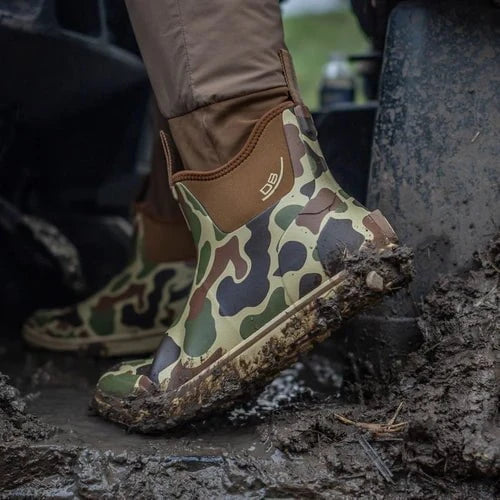
Waterproof Clothing: Coastal wetland environments are often wet and muddy, so waterproof gear is essential. Wear waterproof boots, waders, and a jacket to stay dry when navigating through marshes and standing in the water.
-
Boat or Layout Blind: A boat blind or layout blind is ideal for hunting in tidal wetlands. These blinds allow you to conceal yourself while providing a stable position for shooting. Make sure your blind is camouflaged to match the surrounding vegetation.
-
Decoys: Choose decoys that suit the species of waterfowl you are targeting. Identifying different duck species during hunting seasons is crucial, as it helps in selecting the appropriate decoys. For coastal areas, consider using decoys that mimic feeding or resting birds in realistic poses. Depending on your location, species-specific decoys can help attract birds more effectively.
-
Calls: Duck calls are essential for attracting waterfowl to your setup. Having a variety of calls, including mallard calls, teal whistles, and goose calls, will help you create a more convincing spread and increase your chances of luring in ducks.
Coastal Wetland Hunting Regulations and Ethics
Hunting in coastal wetlands is governed by a set of regulations designed to ensure the sustainability of waterfowl populations and the protection of these fragile ecosystems. These regulations can vary by state and region, but there are some general guidelines that all duck hunters should follow.
Firstly, hunting is typically allowed only during specific times of the year, known as hunting seasons. These seasons are established to coincide with the migration patterns and breeding cycles of waterfowl, ensuring that hunting does not negatively impact their populations. Additionally, bag limits are in place to control the number of ducks that can be harvested by each hunter, further promoting sustainable hunting practices.
Respecting private property rights is another important aspect of ethical hunting. Duck hunters should always obtain any necessary permits or permissions before hunting on private land. This not only ensures legal compliance but also fosters good relationships with landowners and other stakeholders.
Finally, hunters should always strive to minimize their impact on the environment. This includes following best practices for waste disposal, avoiding damage to vegetation and habitats, and being mindful of other users of the wetlands, such as birdwatchers and anglers. By adhering to these regulations and ethical guidelines, duck hunters can contribute to the conservation and sustainability of coastal wetlands.
Conservation and Stewardship
Coastal wetlands are delicate ecosystems that require careful conservation and stewardship to ensure their long-term health and sustainability. Duck hunters can play a vital role in these efforts by supporting conservation initiatives and practicing sustainable hunting methods.
One way hunters can contribute is by participating in habitat restoration projects. These projects often involve the creation of artificial wetlands, the restoration of degraded habitats, and the removal of invasive species. By volunteering their time and resources, hunters can help improve the quality and availability of habitats for waterfowl and other wildlife.
Supporting research and monitoring programs is another important aspect of conservation. These programs help scientists understand the ecology and behavior of waterfowl species, providing valuable data that can inform management and conservation strategies. Hunters can contribute by reporting their observations and participating in citizen science initiatives.
Education and outreach programs are also crucial for promoting sustainable hunting practices and raising awareness about the importance of coastal wetlands. By participating in these programs, hunters can help spread the message about the need for conservation and encourage others to adopt responsible hunting practices.
Finally, advocacy efforts are essential for protecting and preserving coastal wetlands from development and other human impacts. Hunters can support these efforts by joining conservation organizations, participating in advocacy campaigns, and engaging with policymakers to promote the protection of these vital ecosystems.
By supporting these conservation efforts, duck hunters can help ensure the long-term health and sustainability of coastal wetlands and the waterfowl species that depend on them. Through responsible stewardship and active participation in conservation initiatives, hunters can make a positive impact on these valuable natural resources.
Conclusion
Hunting ducks in coastal wetlands offers a unique and rewarding experience, but success in these dynamic environments requires understanding the influence of tides, positioning your decoys effectively, and using the right gear. By taking advantage of tidal movements, using natural cover, and employing patience and stealth, you can enhance your chances of a successful hunt. Whether you are targeting migrating waterfowl or resident ducks, hunting in coastal wetlands provides a fantastic opportunity to experience the beauty and challenges of waterfowl hunting. By respecting the natural environment and adapting to changing conditions, you can make the most of your time in these diverse and productive hunting grounds.
FAQs
What time of day is best for hunting ducks in coastal wetlands?
The best time to hunt in coastal wetlands is typically early morning, just before and during sunrise. Ducks are more likely to be active during this time, especially as the tide rises and they start foraging.
How do tides affect duck hunting in coastal wetlands?
Tides affect where ducks feed and rest. During high tide, ducks may move to higher ground, while low tide exposes mudflats and feeding areas. Understanding these changes helps hunters position themselves effectively.
What are some effective decoy strategies for coastal wetland hunting?
Use decoys in a spread that mimics natural duck behavior. For rising tides, set up decoys near shallow areas that will be flooded, and during low tide, place them on exposed mudflats. During specific hunting periods, particularly in mid-September and around November, blue-winged teal are abundant, and using decoys can effectively attract them. Scatter the decoys to mimic a realistic scene.
Do I need a special boat for hunting in tidal areas?
A boat can be an essential tool in tidal wetlands, allowing you to navigate through water and access areas where ducks congregate. Layout boats or hunting kayaks are commonly used for this type of hunting.
What gear do I need for hunting in coastal wetlands?
Essential gear includes waterproof clothing, boots, and waders, a camouflaged blind, decoys, duck calls, and a reliable shotgun. It is crucial to identify wood ducks accurately, especially for new hunters, and to have the appropriate gear such as specialized decoys and calls for wood ducks. Being prepared for wet and challenging conditions is key to a successful hunt.