


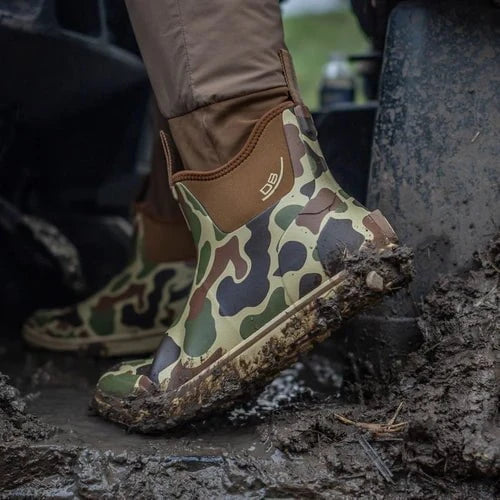
Hunting Boot Maintenance
Hunting boots are an essential part of your gear, providing the protection, support, and comfort needed for long hours in rugged terrain. It is crucial to buy hunting boots that fit properly to avoid discomfort and potential injuries during hunting. However, with constant exposure to mud, water, and rough environments, these boots can wear down quickly without proper care. By following a few key maintenance practices, you can maximize the lifespan of your hunting boots, ensuring they remain durable and functional for many seasons. This guide covers cleaning, drying, waterproofing, and storage tips to help you get the most out of your investment in quality hunting boots.
Why Hunting Boot Maintenance Matters
Hunting boots are exposed to challenging conditions that can degrade materials and reduce comfort. Proper maintenance keeps them in top shape, ensuring they provide the support and protection needed during extended hunts. By caring for your boots, you also save money in the long run by reducing the need for frequent replacements, and you maintain reliable footwear that you can count on in any environment.
Choosing the Right Boots
Choosing the right boots is crucial for a successful hunting trip. With so many options available, it can be overwhelming to decide which pair to buy. Here are some factors to consider when selecting the perfect boots:
-
Insulation: Look for boots with adequate insulation to keep your feet warm and dry in cold and wet conditions. Insulated boots are essential for maintaining comfort during long hours in the field.
-
Terrain Suitability: Consider the terrain you will be hunting in and choose boots designed for that specific environment. Whether you’re navigating muddy trails or rocky landscapes, the right boots will provide the necessary support and traction.
-
Fit: Make sure the boots fit comfortably and provide a secure fit to prevent blisters and discomfort. A well-fitted pair of boots can make all the difference in your hunting experience.
-
Durability: Choose boots made from high-quality materials that can withstand rough handling and harsh weather conditions. Durable boots typically last longer and offer better protection.
-
Waterproofing: Look for boots with waterproof membranes to keep your feet dry in wet conditions. Waterproof boots are essential for maintaining comfort and preventing water damage.
Fitting and Breaking In
Proper fitting and breaking in of your boots are essential to ensure a comfortable and successful hunting trip. Here are some tips to help you fit and break in your boots:
-
Try on Boots with Hunting Socks: When trying on new boots, wear the socks you plan to use during your hunts. This ensures a more accurate fit and helps prevent blisters.
-
Break Them In Gradually: Wear the boots around the house for a few days to break them in before taking them on a hunting trip. This helps the boots conform to your feet and reduces the risk of discomfort.
-
Use a Soft Brush for Cleaning: After each use, gently scrub away any dirt or debris with a soft brush. This prevents buildup that can damage the boots over time.
-
Apply Leather Conditioner: Regularly apply a leather conditioner to keep the leather supple and prevent cracking. This is especially important for new boots to maintain their flexibility and durability.
-
Avoid Long Hunts with New Boots: Avoid wearing new boots on a long hunting trip without breaking them in first. This can lead to blisters and discomfort, impacting your hunting experience.
Essential Tips for Maximizing the Life of Your Hunting Boots
The following maintenance practices are essential for preserving your hunting boots. They cover cleaning, drying, waterproofing, and storage, all of which contribute to keeping your boots ready for the next hunt.
Regular Cleaning Dirt and mud can wear down boot materials if left unchecked, especially on leather and fabrics. After each hunt, clean off excess dirt using a soft brush and warm water. Avoid harsh detergents, as these can damage waterproof coatings or degrade leather. For stubborn dirt, use a mild soap solution, gently scrubbing with a soft cloth or brush. Be sure to rinse thoroughly and avoid soaking the boots.
Drying Boots Properly Improper drying can damage hunting boots, especially if they’re exposed to high heat. After cleaning, let the boots air dry naturally by placing them in a well-ventilated area, away from direct heat sources like radiators, fireplaces, or sunlight. Stuffing newspaper inside the boots can help absorb moisture and speed up drying. For leather boots, a boot dryer on a low setting can be used, but avoid excessive heat, as it can warp or crack the material.
Applying Waterproofing Treatment Many hunting boots come with a waterproof coating, but it can wear off over time. Reapply a waterproofing treatment each season or whenever you notice water absorption instead of beading on the surface. Choose a product suited to your boot’s material—there are specific sprays, waxes, or balms for leather, synthetic, and mixed-material boots. Apply the treatment according to the manufacturer’s instructions and allow it to dry fully before wearing.
Conditioning Leather Boots Leather hunting boots benefit from regular conditioning, which keeps the leather soft and prevents cracking. Apply a leather conditioner every few months or whenever the leather starts looking dry. Use a conditioner specifically made for outdoor leather to ensure it doesn’t soften the leather too much, as this can reduce support. Conditioning helps maintain the leather’s flexibility, water resistance, and overall durability.
Caring for Crispi boots is particularly important due to their renowned durability, comfort, and performance in outdoor activities.
Protecting Hunting Boots from Environmental Damage on Muddy Trails
The rugged conditions you encounter while hunting can be harsh on boots. By taking steps to protect them, you can extend their life and keep them in better shape.
Avoid Prolonged Moisture Exposure
Hunting boots are often water-resistant or waterproof, but prolonged exposure to water can still affect materials, especially in leather boots. If you’ll be walking through streams or wet areas for an extended time, consider wearing gaiters to protect your boots from soaking. Gaiters act as an additional barrier, reducing direct exposure to water and mud and preserving the waterproofing on your boots.
Prevent Excessive Sun Exposure
Long-term exposure to sunlight can cause materials to fade, weaken, or crack, particularly on leather boots. Avoid leaving your boots in direct sunlight, especially for extended periods, as this can lead to material degradation. When drying or storing your boots, choose a shaded, well-ventilated area instead of placing them outside in the sun.
Use Protective Soles for Extra Durability
Adding protective soles or sole protectors can help prolong the life of the original outsoles on your boots, especially if you often walk on rocky or abrasive surfaces. These add-ons provide additional traction and reduce wear on the soles, making them a good choice for hunters who encounter particularly rough terrain. Replace worn-out sole protectors as needed to maintain effectiveness.
Proper Storage for Hunting Boots
Storing your hunting boots correctly when not in use is essential to preserving their condition and preventing unnecessary wear.
It is important to store boots inside the home to prevent potential damage from external conditions, such as moisture and pests.
-
Store in a Cool, Dry Place Avoid storing boots in damp or humid areas, as moisture can lead to mold, mildew, and odor. Instead, store them in a cool, dry place away from direct sunlight. Avoid basements or attics that may experience temperature fluctuations or excess humidity.
-
Use a Boot Tree or Inserts Boot trees or inserts help boots retain their shape during storage, preventing the material from collapsing or creasing over time. They also improve airflow within the boot, which helps control odor and moisture. Cedar boot trees are particularly effective, as they naturally absorb moisture and prevent odor buildup.
-
Store Upright or Hang Them Storing boots upright or hanging them by the laces or a designated hook can help maintain their shape. If using a boot rack, make sure boots aren’t compressed by other items, as this can cause creasing or warping.
Regular Maintenance Schedule for Hunting Boots
Following a consistent maintenance schedule ensures your hunting boots stay in top condition and are always ready for action. Here’s a suggested maintenance timeline:
-
After Each Hunt
Clean boots to remove dirt, mud, and moisture. Dry them thoroughly and store them in a cool, dry place. -
Monthly
Reapply waterproofing treatment if the boots frequently encounter wet conditions, and inspect for any signs of wear or damage. -
Every Few Months
Condition leather boots to maintain their flexibility and resistance to cracking. Check for any loose or worn parts, such as laces, and replace as needed. -
End of Season
Perform a thorough cleaning, waterproofing, and conditioning before storing boots for the off-season. Use boot trees to maintain their shape and place them in a protective, cool environment.
Repair and Rebuilding
Proper care and maintenance of your boots can extend their lifespan. Here are some tips on how to repair and rebuild your boots:
-
Regular Cleaning and Conditioning: Regularly clean and condition your boots to prevent dirt and debris from accumulating. This helps maintain the integrity of the materials and extends the boot lifespan.
-
Use a Rubber Conditioner: Apply a rubber conditioner to keep the rubber components of your boots flexible and prevent cracking. This is crucial for maintaining the waterproofing and durability of rubber boots.
-
Avoid Harsh Chemicals: Avoid using harsh chemicals or abrasive materials that can damage the boots. Stick to mild soaps and soft brushes for cleaning.
-
Consider Rebuilding or Resoling: If your boots show signs of wear and tear, consider rebuilding or resoling them. This can give your boots a new lease on life and save you the cost of buying a new pair.
-
Seek Professional Help: If you are unsure of how to repair your boots, take them to a professional cobbler or repair service. They have the expertise to fix your boots properly and extend their lifespan.
Additional Tips for Prolonging Hunting Boot Lifespan
A few extra practices can help you maximize the durability and comfort of your hunting boots.
-
Rotate Between Pairs
If you hunt frequently, consider rotating between two pairs of boots to reduce wear on any one pair. This allows each pair to dry fully and reduces the strain on materials, especially during intense hunting seasons. -
Replace Worn Insoles
Over time, insoles can lose their cushioning and support, which impacts comfort and can cause the boot to wear down faster. Replacing insoles regularly not only improves comfort but also reduces stress on the boot’s interior structure. -
Inspect and Replace Laces as Needed
Worn-out laces can affect how well your boots fit and perform. Replace laces if they show signs of fraying or wear to ensure your boots stay secure and comfortable during hunts. -
Use Gaiters in Wet or Muddy Conditions
Gaiters protect boots from mud, water, and debris, particularly in wet or rough terrain. They add an extra layer of protection, reducing the amount of cleaning and maintenance needed after each outing.
Common Mistakes to Avoid
Here are some common mistakes to avoid when it comes to boot care and maintenance:
-
Neglecting Regular Cleaning and Conditioning: Not cleaning and conditioning your boots regularly can lead to material degradation and reduced lifespan. Make boot care a routine part of your maintenance.
-
Using Harsh Chemicals: Using harsh chemicals or abrasive materials can damage the boots. Stick to gentle cleaning solutions and tools to preserve the materials.
-
Improper Storage: Not storing your boots properly, such as in a dry and cool place, can lead to mold, mildew, and material damage. Always store your boots in a well-ventilated, dry area.
-
Skipping the Break-In Period: Not breaking in your boots before taking them on a hunting trip can cause blisters and discomfort. Take the time to break in new boots properly.
-
Ignoring Repairs: Not repairing or rebuilding your boots when they show signs of wear and tear can lead to further damage. Address issues promptly to extend the boot lifespan.
-
Neglecting Leather Conditioning: Not using a leather conditioner to keep the leather supple and prevent cracking can lead to stiff, uncomfortable boots. Regular conditioning is essential for leather boot care.
By following these tips and avoiding common mistakes, you can extend the lifespan of your boots and ensure a successful and comfortable hunting trip. Proper boot care is an investment in your comfort and performance during outdoor adventures.
Conclusion
Hunting boots are a valuable investment, providing essential protection and comfort in tough environments. By following these maintenance practices, you can extend their lifespan, keeping them durable and effective for many hunting seasons. Regular cleaning, careful drying, waterproofing, and proper storage all contribute to preserving the quality of your boots, while additional steps like conditioning leather and using boot trees ensure they stay in top shape. With these tips, you’ll keep your hunting boots ready for every adventure, providing reliable support and comfort for countless hours in the field.
FAQs
How often should I apply waterproofing to my hunting boots?
It’s best to apply waterproofing at least once per season or whenever you notice that water no longer beads up on the surface. For frequent exposure to wet conditions, monthly reapplications may be necessary.
Can I machine wash my hunting boots?
Machine washing is generally not recommended, as it can damage the materials and waterproofing. Hand washing with a soft brush and mild soap is safer and more effective.
What’s the best way to dry my boots after a hunt?
After cleaning, let boots air dry in a well-ventilated area, away from direct heat sources. Stuffing them with newspaper or using a boot dryer on a low setting can speed up the drying process without damaging materials.
Should I use leather conditioner on synthetic hunting boots?
Conditioning is mainly necessary for leather boots. Synthetic boots don’t typically need conditioning, but regular cleaning and waterproofing are still essential for longevity.
How can I prevent odor in my hunting boots?
To prevent odor, ensure boots dry completely after each use and consider using moisture-wicking insoles. Cedar inserts or boot trees can also help control odor by absorbing moisture.
Can I leave my boots in direct sunlight to dry?
Direct sunlight can degrade materials, particularly leather, and cause cracking or fading. It’s better to dry boots in a shaded, ventilated area to prevent sun damage.
How do I know if my boots need conditioning?
Leather that appears dry, stiff, or begins to crack is a sign that conditioning is needed. Applying a leather conditioner helps restore flexibility and moisture resistance.
Are boot trees necessary for hunting boots?
While not essential, boot trees help boots retain their shape and prevent creasing. They’re particularly useful for long-term storage or for maintaining the shape of leather boots.
How can I protect my boots from sharp rocks or rough terrain?
Using protective soles or sole protectors can help preserve the boot’s original outsoles when walking on abrasive surfaces. Gaiters can also protect the boots’ exterior from rough terrain.
What’s the best way to store boots during the off-season?
For off-season storage, clean and dry your boots thoroughly, then store them in a cool, dry place. Using boot trees and a protective case or bag helps maintain shape and keep dust out.