


Group Hunting Trip
Planning a waterfowl hunting trip for a group can be an exciting but complex task. Coordinating schedules, ensuring everyone has the proper gear, and selecting the right location are just a few of the many responsibilities involved. A well-organized trip can lead to a memorable and productive hunting experience, while poor preparation can result in frustration and missed opportunities.
Selecting a qualified and reputable outfitter with extensive experience and knowledge of the local waterfowl population is crucial to ensure a successful waterfowl hunt.
Proper financial planning and budgeting are crucial for a successful and enjoyable trip. Having a well-managed bank account can facilitate the hunt of a lifetime, allowing enthusiasts to fully immerse themselves in the adventure without financial stress.
This guide provides tips and strategies to help you organize a successful waterfowl hunting trip for your group.
Setting Goals and Expectations
Define Objectives
-
Type of Waterfowl: Decide which species you’re targeting, such as ducks, geese, or a mix of both.
-
Hunting Style: Determine whether you’ll be hunting from a blind, layout, or boat, or using a spot-and-stalk approach.
-
Success Metrics: Set realistic expectations for the trip, such as focusing on camaraderie, improving skills, or harvesting a certain number of birds.
-
Ensure you have the right gear tailored to specific conditions and hunting environments to enhance your chances of a successful outing.
-
Align Group Expectations
-
Skill Levels: Account for varying levels of experience and ensure everyone feels included in the plan.
-
Budget: Establish a budget that works for the entire group, covering expenses like permits, lodging, and gear.
-
Roles and Responsibilities: Assign tasks to each participant, such as scouting, meal preparation, or setting up blinds.
-
Know and respect the hunting etiquette of other hunters in the area to ensure safety and a positive experience.
-
Clear communication ensures everyone is on the same page and contributes to the trip’s success.
Selecting the Right Location for Waterfowl Hunting
Research Hunting Areas
-
Public Lands: Explore waterfowl hunting opportunities on state or federal lands, such as wildlife management areas or refuges.
-
North Dakota: A prime destination for waterfowl hunting, North Dakota is significant in the migration patterns of ducks and geese. Successful trips often depend on local knowledge and scouting to strategize hunts effectively in this region known for its abundance of migrating birds.
-
-
Private Land: Consider leasing private land or hiring a guide service for access to exclusive hunting spots.
Scout the Location
-
Pre-Trip Scouting: Visit the area in advance to identify waterfowl activity, feeding spots, and roosting locations.
-
Spend ample time scouting to observe waterfowl patterns and behavior. This can lead to discovering new hotspots and improving success on return trips.
-
-
Remote Research: Use maps, online resources, and apps to analyze terrain, water sources, and access points.
Consider Accessibility
-
Travel Distance: Choose a location that balances quality hunting opportunities with reasonable travel requirements for the group.
-
Accessibility for All Members: Ensure the site is suitable for any participants with mobility limitations.
A well-chosen location maximizes the group’s chances of encountering waterfowl.
Coordinating Hunting Gear and Supplies
Individual Essentials
-
Shotguns and Ammunition: Verify everyone has waterfowl-legal firearms and non-toxic ammunition.
-
Licenses and Permits: Ensure all participants have the required hunting licenses, stamps, and permits. Emphasize the importance of having a hunting license and including the hunting license number on tags for identification and compliance with legal regulations.
-
Personal Gear: Remind the group to bring weather-appropriate clothing, waders, calls, and personal items like snacks and water.
Group Gear
-
Decoys: Decide on the type and quantity of decoys needed and distribute them among group members.
-
Blinds: Bring enough blinds or materials for everyone, whether using layout blinds, A-frame setups, or natural cover. Selecting the right hunting gear, including portable blinds, is crucial. Ensure you have practical tips on how to manage and utilize this equipment effectively in the field.
-
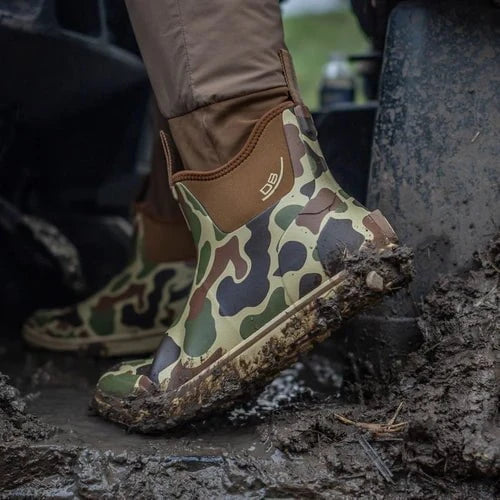
Having the proper equipment, such as waders, a camo parka, and gloves, is essential for a successful and comfortable duck hunting experience.
-
-
Boats and Transportation: Arrange for boats, ATVs, or other vehicles if the location requires specialized transport.
Emergency Equipment
-
First-Aid Kit: Include supplies for treating injuries in the field.
-
Communication Devices: Carry two-way radios or cell phones with reliable service in the area.
-
Navigation Tools: Bring maps, GPS devices, or compass backups to prevent getting lost.
Proper planning ensures the group is well-equipped and prepared for any situation.
Establishing a Schedule
Travel and Setup
-
Departure Time: Plan travel to allow for early arrival and setup before the birds become active.
-
Setup Duties: Assign specific tasks like setting decoys, preparing blinds, or organizing gear to avoid delays.
-
Ensure you have the right gear for setting up decoys, preparing blinds, and organizing other equipment to handle various situations effectively.
-
Hunting Hours
-
Morning Hunt: Focus on the early morning hours when waterfowl are most active.
-
Ensure you have the right gear for the early morning conditions to maximize your chances of success.
-
-
Break Time: Schedule breaks for meals, rest, or scouting during mid-day lulls.
-
Afternoon Hunt: Resume hunting in the late afternoon as birds return to feeding or roosting areas.
Post-Hunt Routine
-
Gear Cleanup: Assign roles for packing up decoys, blinds, and other equipment.
-
Processing Game: Decide how harvested birds will be cleaned, stored, and divided among the group.
A well-structured schedule keeps the trip organized and efficient.
Group Dynamics and Communication
Encourage Teamwork
-
Assign Roles: Distribute responsibilities based on individual strengths, such as calling, spotting, or handling gear.
-
Rotate Responsibilities: Give everyone a chance to try different tasks to keep the experience engaging.
Maintain Communication
-
Pre-Trip Planning: Use group chats or meetings to discuss logistics, gear checklists, and expectations.
-
In-Field Coordination: Use radios or signals to communicate quietly and effectively during the hunt.
Good communication fosters camaraderie and ensures the group functions as a cohesive unit.
Safety First
Firearm Safety
-
Review Rules: Go over firearm safety protocols, including muzzle awareness and proper handling.
-
Positioning: Ensure hunters are spaced safely apart in blinds or fields to avoid accidents.
Weather Awareness
-
Monitor Forecasts: Stay updated on weather conditions and prepare for potential rain, snow, or high winds.
-
Emergency Plans: Have a plan for dealing with extreme weather, such as finding shelter or cutting the hunt short.
Water Safety
-
Use PFDs: Require personal flotation devices for anyone in boats or wading in deep water.
-
Mark Hazards: Identify and avoid hidden obstacles like deep holes or submerged logs.
Prioritizing safety ensures an enjoyable experience for everyone.
Celebrating the Hunt
-
Share the Experience: Take photos, share stories, and celebrate the day’s successes.
-
Divide the Harvest: Fairly distribute harvested birds among the group and discuss plans for cleaning and cooking.
-
Reflect and Improve: Discuss what went well and what could be improved for future trips.
-
A successful hunt is contingent upon thorough preparation beforehand, which involves scouting the hunting area, gathering appropriate gear, and ensuring all essential items and safety equipment are ready for use.
-
Enjoying the camaraderie and reflecting on the experience creates lasting memories for the group.
Conclusion
Organizing a waterfowl hunting trip for a group requires careful planning, clear communication, and attention to detail. From choosing the right location to coordinating gear and ensuring safety, every aspect plays a role in the trip’s success. By fostering teamwork and creating a structured plan, you can ensure a rewarding experience for all participants while maximizing your chances of a productive hunt.
FAQs
What’s the best way to choose a hunting location for a group?
Scout areas with high waterfowl activity, accessible terrain, and enough space to accommodate your group without overcrowding.
How can I ensure everyone is prepared for the trip?
Provide a detailed checklist of gear, licenses, and supplies well in advance and follow up with reminders.
What’s the key to maintaining group harmony during the hunt?
Clear communication, assigning roles, and respecting each member’s contributions help keep the group cohesive and focused.
How do I handle safety concerns in a group setting?
Review firearm safety rules, monitor weather conditions, and use clear communication to avoid accidents.
What’s the best way to divide responsibilities during the trip?
Assign tasks based on strengths, such as calling, scouting, or setting up gear, and rotate roles to keep the experience engaging for everyone.