


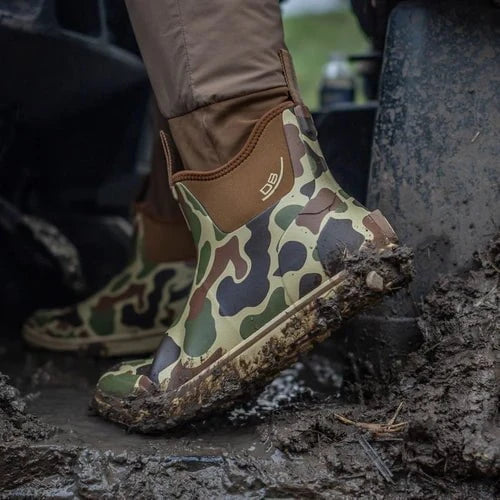
The United States offers a wealth of opportunities for turkey hunters, with diverse habitats and healthy populations of wild turkeys across the country. From Eastern hardwood forests to Western grasslands, each region provides unique challenges and rewards. Understanding the best destinations for turkey hunting allows you to plan your trip and maximize your chances of success.
The Best Places to Hunt Turkey in the U.S
-
Eastern Wild Turkey: Found throughout the eastern U.S., this is the most widely distributed and hunted subspecies. Known for its large size and challenging behavior.
-
Merriam’s Wild Turkey: Inhabits the Western states, thriving in mountainous and open areas. Recognized for its white-tipped tail feathers.
-
Rio Grande Wild Turkey: Found in the central and southern plains, especially in Texas, Oklahoma, and Kansas. Prefers open grasslands and river bottoms.
-
Osceola Wild Turkey: Unique to Florida, this subspecies is smaller and darker, offering a distinct hunting experience.
-
Gould’s Wild Turkey: Found primarily in the southwestern U.S. and Mexico. Known for its limited range and challenging terrain.
Eastern Wild Turkey
The Eastern Wild Turkey is one of the most widely distributed subspecies of wild turkeys in the United States. These birds thrive in a variety of habitats, including forests, fields, and wetlands, showcasing their remarkable adaptability. Their iridescent feathers, which can shimmer in shades of bronze, copper, or gold under the sunlight, make them a striking sight. Known for their distinctive gobble—a loud, clear call that can travel long distances—Eastern Wild Turkeys are a favorite among turkey hunters.
This subspecies is prevalent in many of the best turkey hunting states, such as Alabama, Arkansas, Georgia, Illinois, Indiana, Kentucky, Michigan, Minnesota, Missouri, Nebraska, North Carolina, Ohio, Oklahoma, Pennsylvania, South Carolina, Tennessee, Texas, Virginia, and Wisconsin. Their challenging behavior and delicious meat make them a prized target for hunters. Whether you’re a seasoned hunter or new to the sport, pursuing Eastern Wild Turkeys offers an exciting and rewarding experience.
Top Turkey Hunting Destinations in the U.S.
1. Missouri
-
Why Hunt Here? Missouri consistently ranks as one of the top turkey hunting states due to its large Eastern wild turkey population and vast public hunting land.
-
Best Areas:
-
Mark Twain National Forest
-
Harry S. Truman Reservoir
-
Ozark Mountains
-
-
Season Highlights: Spring turkey season is highly productive, with well-managed populations ensuring plenty of opportunities.
2. Texas
Why Hunt Here? Texas is home to abundant Rio Grande wild turkeys, offering varied terrain from rolling plains to wooded areas. Turkey hunts in Texas provide exciting opportunities to experience diverse hunting environments and target different turkey species.
Best Areas:
-
Hill Country
-
Edwards Plateau
-
South Texas Brush Country
Season Highlights: The long hunting seasons and vast private ranches make Texas a top choice for turkey hunters.
3. Florida
Why Hunt Here? Florida is the only state where hunters can pursue the Osceola turkey, making it a bucket-list destination for those seeking a Grand Slam. Additionally, Florida offers excellent opportunities to hunt birds, attracting hunters from across the country.
Best Areas:
-
Green Swamp Wildlife Management Area
-
Kissimmee River Basin
-
Ocala National Forest
Season Highlights: Spring hunts in Florida’s warm climate are ideal for pursuing this unique subspecies.
4. Kansas
Why Hunt Here? Kansas offers excellent opportunities for hunting Rio Grande turkeys in open grasslands and river corridors. Public land turkey hunting in Kansas provides numerous opportunities, especially in less pressured areas that can be highly productive with proper scouting.
Best Areas:
-
Flint Hills
-
Glen Elder Wildlife Area
-
Webster Reservoir
Season Highlights: Kansas is known for its easy-to-navigate terrain and high success rates.
5. Nebraska
-
Why Hunt Here? Nebraska provides the chance to hunt both Merriam’s and hybrid turkeys in picturesque landscapes.
-
Best Areas:
-
Pine Ridge National Forest
-
Niobrara River Valley
-
Sandhills region
-
-
Season Highlights: Nebraska’s spring archery and shotgun seasons attract hunters seeking variety and abundance.
6. South Dakota
-
Why Hunt Here? South Dakota is renowned for its Merriam’s turkey population, offering scenic hunting experiences in rolling hills and forests.
-
Best Areas:
-
Black Hills National Forest
-
Fort Pierre National Grassland
-
Custer State Park
-
-
Season Highlights: Public lands are plentiful, and the rugged terrain adds an exciting challenge.
7. Tennessee
-
Why Hunt Here? Tennessee boasts a thriving Eastern wild turkey population and accessible public lands.
-
Best Areas:
-
Cherokee National Forest
-
Land Between the Lakes
-
Catoosa Wildlife Management Area
-
-
Season Highlights: Tennessee offers diverse hunting environments, from dense forests to open fields.
8. Montana
-
Why Hunt Here? Montana is home to Merriam’s turkeys and provides a remote, serene hunting experience in scenic landscapes.
-
Best Areas:
-
Bitterroot Valley
-
Custer National Forest
-
Flathead National Forest
-
-
Season Highlights: The expansive wilderness and low hunting pressure make Montana a top choice for solitude-loving hunters.
9. Pennsylvania
-
Why Hunt Here? Pennsylvania is a premier destination for Eastern wild turkey hunting, with well-managed populations and diverse habitats.
-
Best Areas:
-
Allegheny National Forest
-
Rothrock State Forest
-
Susquehannock State Forest
-
-
Season Highlights: Pennsylvania’s spring turkey season draws hunters from across the Northeast.
10. Alabama
-
Why Hunt Here? Alabama has one of the highest densities of Eastern wild turkeys in the U.S., offering a traditional Southern hunting experience.
-
Best Areas:
-
Talladega National Forest
-
Barbour Wildlife Management Area
-
Black Warrior Wildlife Management Area
-
-
Season Highlights: The long-standing hunting traditions and plentiful birds make Alabama a favorite for avid turkey hunters.
Planning Your Turkey Hunting Trip
Planning a successful turkey hunting trip requires careful consideration of several factors, including the time of year, location, and the type of turkey you are hunting. Here are some tips to help you plan your trip:
-
Choose the Right Time of Year: The best time to hunt turkeys is during the spring, when they are most active and vocal. The exact timing of the spring turkey season varies by state, so be sure to check the regulations in the state where you plan to hunt.
-
Select a Good Location: Look for areas with a healthy turkey population and plenty of habitat, such as forests, fields, and wetlands. Consider hunting on public land, which can offer a more challenging and rewarding experience.
-
Research Local Turkey Behavior: Learn about the local turkey behavior, including their habitat preferences, feeding patterns, and roosting sites. This will help you better understand their behavior and increase your chances of success.
-
Obtain Necessary Permits and Licenses: Make sure you have the necessary permits and licenses to hunt turkeys in the state where you plan to hunt. These can usually be obtained from the state wildlife agency or a local sporting goods store.
-
Prepare Your Gear: Ensure you have the necessary gear, including a shotgun, ammunition, and camouflage clothing. Consider investing in a good pair of binoculars and a turkey call to help you locate and attract birds.
By carefully planning your trip and preparing adequately, you can increase your chances of a successful and enjoyable turkey hunt.
What Makes Good Turkey Hunting Land?
Good turkey hunting land typically has a combination of the following characteristics:
-
Habitat Diversity: A mix of forests, fields, and wetlands provides a variety of habitats for turkeys to live and feed in.
-
Food Sources: Turkeys need a reliable source of food, such as crops, nuts, or insects, to survive.
-
Water Sources: Turkeys need access to water for drinking and bathing.
-
Roosting Sites: Turkeys need a safe place to roost at night, such as a forest or a wooded area.
-
Minimal Human Disturbance: Turkeys are wary of humans and will avoid areas with high levels of human activity.
When evaluating potential turkey hunting land, consider the following factors:
-
Topography: Look for areas with a mix of hills, valleys, and flat areas, which can provide a variety of habitats for turkeys.
-
Vegetation: Look for areas with a mix of trees, shrubs, and grasses, which can provide food and cover for turkeys.
-
Water Sources: Look for areas with a reliable source of water, such as a stream, river, or pond.
-
Human Activity: Avoid areas with high levels of human activity, such as roads, trails, and buildings.
By considering these factors, you can increase your chances of finding good turkey hunting land and having a successful hunt.
Tips for a Successful Turkey Hunt
Scouting
-
Scout your hunting area before the season to locate roosting, feeding, and travel sites.
-
Use trail cameras or listen for gobbles at dawn and dusk to pinpoint active areas.
Calling
-
Master different turkey calls, such as yelps, clucks, and purrs, to attract birds effectively.
-
Start with soft calls and increase volume if no response is heard.
Decoys
-
Use decoys to simulate real turkeys, attracting gobblers into shooting range.
-
Experiment with different setups, such as a hen and jake pairing, to provoke curiosity or aggression.
Patience
-
Turkeys are cautious and may take time to approach. Stay still and remain quiet while waiting for a bird to come into range.
Ethical Practices
-
Always identify your target and what lies beyond before shooting.
-
Recover downed birds promptly and respect bag limits to support conservation.
Conclusion
From the Eastern forests to the Western mountains, the U.S. offers incredible turkey hunting opportunities for every type of hunter. By choosing destinations tailored to the turkey subspecies and terrain you prefer, and by honing your skills and preparation, you can create a memorable and successful hunting experience.
FAQs
Which state has the most turkeys?
Missouri and Texas are known for their abundant turkey populations, making them top destinations for hunters.
What is the best time of day to hunt turkeys?
Early morning is the most productive time, as turkeys are active after leaving their roosts.
Can you hunt turkeys on public land?
Yes, many states offer public land turkey hunting opportunities, such as national forests and wildlife management areas.
What’s the difference between Merriam’s and Eastern turkeys?
Merriam’s turkeys have lighter, white-tipped tail feathers and inhabit the Western U.S., while Eastern turkeys are darker and found in the eastern states.
Do I need a special license to hunt turkeys?
Most states require a turkey-specific tag or license in addition to a general hunting license. Check local regulations before hunting.