


Quail hunting is a challenging and rewarding pursuit that requires a mix of skill, patience, and preparation. These small, elusive game birds, such as bobwhite quail and California quail, are known for their quick flushes and preference for dense cover, making them a favorite target for upland hunters. To hunt quail successfully, you must understand their behavior, preferred habitats, and movement patterns, which are crucial for a successful hunt. Bobwhite quail are often found in brushy fields and grasslands, while California quail prefer a variety of environments including agricultural edges and open woodlands. Quail are often found in brushy fields, grasslands, and agricultural edges, where they forage for seeds and insects while seeking shelter from predators.
Preparing for a Quail Hunt
Scout for Quail Habitat
-
Look for areas with thick cover such as briars, hedgerows, or native grasses where quail can hide.
-
Focus on transitional zones where different types of terrain meet, such as the edge of a field and a wooded area.
-
Identify food sources like seed-producing plants or recently harvested crops, as quail often feed nearby.
-
Valley quail, also known as California quail, thrive in brushy areas near water and are adaptable to various environments, making them an interesting target for hunters.
Understand Quail Behavior
-
Quail are social birds and usually travel in coveys, which can range from 8 to 25 birds.
-
They tend to flush together when startled, often flying low and fast in unpredictable directions.
-
Quail often return to the same areas, so scouting before the hunt can reveal where coveys are likely to be.
-
Understanding and using a quail call is crucial for locating and attracting birds, especially when they are separated from the covey. Different types of quail calls, such as the assembly and alarm calls, can provide valuable insights during a hunt.
Essential Gear for Quail Hunting
Firearm and Ammunition
-
Use a lightweight gauge shotgun for quick handling, such as a 20-gauge or 28-gauge shotgun, which balances maneuverability and power. These shotguns provide a balance of accuracy and range, making them ideal choices for targeting specific game such as quail.
-
Select shells with smaller shot sizes, such as 7.5 or 8, for an effective spread on small birds without damaging the meat.
Clothing and Footwear
-
Wear durable upland hunting gear, including brush-resistant pants and a vest with game pockets.
-
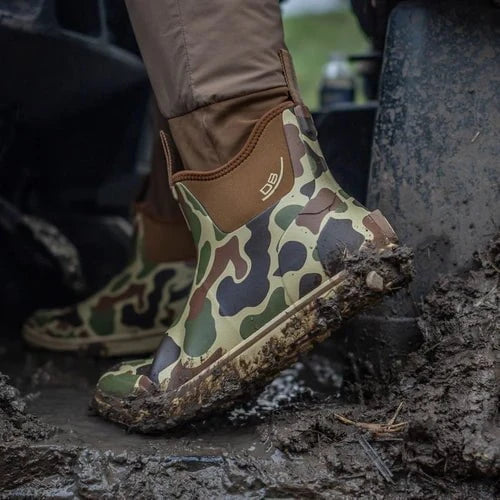
Choose boots with good ankle support and traction for navigating rough or uneven terrain.
-
Add blaze orange to your outfit for visibility and safety, especially when hunting with a group.
Additional Gear
-
Carry a lightweight backpack or vest for extra shells, snacks, and water.
-
Bring a cooler if you plan to process and transport birds after the hunt.
-
Use shooting glasses and ear protection to guard against flying debris and gunfire noise.
Hunting Techniques for Quail
Work with Bird Dogs
A well-trained bird dog significantly increases your chances of locating and retrieving quail. Bird dogs, such as pointers and flushing dogs, play crucial roles in upland hunting by locating, flushing, and retrieving game birds like California quail. Bird dogs are particularly useful for locating wild quail in their natural habitats, enhancing the overall hunting experience.
Pointers: These breeds locate coveys and hold their position until the hunter approaches.
Flushers: These dogs move through cover, flushing quail into the air for a shot.
Retrievers: These breeds retrieve downed birds quickly and efficiently.
Move Methodically
-
Walk slowly and methodically through likely quail habitat, pausing frequently to listen and observe.
-
Use zigzag or grid patterns to cover ground thoroughly and ensure no areas are overlooked.
Be Ready for the Flush
-
Quail flush quickly and erratically, so maintain focus and keep your shotgun at the ready.
-
Avoid rushing your shot. Focus on a single bird rather than the entire covey to improve accuracy.
Timing Your Hunt
Early Morning and Late Afternoon
-
Quail are most active during the cooler parts of the day, making early morning and late afternoon the best times to hunt.
-
During these periods, quail are more likely to be feeding or moving, making them easier to locate.
Seasonal Considerations
-
Hunting is typically best early in the hunting season when coveys are larger, and birds are less wary. Preparation and optimal conditions are crucial to maximize success during this time.
-
Later in the hunting season, quail may scatter more frequently and require additional scouting to locate.
Safety Tips for Quail Hunting
-
Always be aware of your hunting companions’ locations and the positions of other hunters to avoid shooting accidents.
-
Maintain a safe shooting angle, avoiding low shots that could endanger others or your dog.
-
Use clear communication with your hunting group, establishing signals for when to flush or shoot.
Post-Hunt Practices
Field Dressing Quail
-
Quail are easy to clean in the field. After retrieving a downed bird, pluck the feathers or skin the bird entirely, then remove the entrails.
-
Place cleaned birds in a cooler with ice to preserve the meat until you return home.
Tracking Your Success
-
Note where coveys were located and which hunting techniques worked best.
-
Use this information to refine your approach for future hunts in similar conditions.
Conclusion
Quail hunting combines strategy, skill, and a deep appreciation for the upland environment. By understanding quail behavior, scouting effectively, and using the right techniques, you can increase your chances of success. Whether you’re hunting with a dog, navigating dense cover, or taking a shot at a fast-flushing covey, preparation and patience are key. With practice and persistence, quail hunting offers both a challenging pursuit and a rewarding outdoor experience.
FAQs
What is the best shotgun for quail hunting?
A lightweight shotgun, such as a 20-gauge or 28-gauge, is ideal for quick handling and accuracy in the field.
Do I need a hunting dog for quail hunting?
While not essential, well-trained hunting dogs greatly improve your chances of locating and retrieving quail, especially in dense cover.
When is the best time to hunt quail?
Early morning and late afternoon are the best times, as quail are most active during cooler parts of the day.
What kind of habitat do quail prefer?
Quail are often found in areas with dense cover, such as briars, hedgerows, and grasslands, near food sources like seed-producing plants or harvested crops.
How do I prepare quail after the hunt?
Field dress the birds by plucking feathers or skinning them, removing the entrails, and placing them on ice to preserve the meat. Quail are excellent roasted, grilled, or used in stews.