


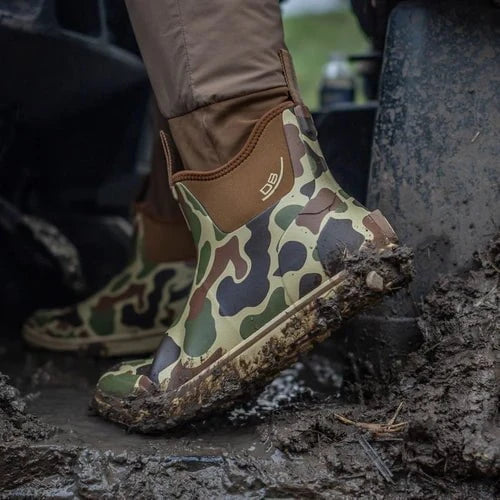
Late Season Hunts
Late-season hunting, often referred to as the late season hunt, brings its own set of challenges during the hunting season, from biting cold winds to icy terrain. However, for those willing to brave the elements, it also offers unique rewards. Waterfowl are more concentrated as migration patterns take hold, and the competition in the field tends to dwindle. Success during this time of year often hinges on a hunter’s ability to adapt their strategies and equipment to harsh climates. Whether you’re positioned in a frozen marsh or tracking waterfowl along icy rivers, preparation and technique are key.
Understanding Late Season Challenges
As winter deepens and winter weather sets in, waterfowl behavior changes. Most deer become more cautious and adapt their behavior to avoid hunters, making it essential to understand these changes. Birds grow more cautious, wary of decoy setups and blinds. They may favor larger bodies of open water or seek refuge in hard-to-reach areas where hunting pressure is lighter. These factors, combined with frigid conditions, require hunters to adjust their approach.
-
Weather Impacts: Cold temperatures and wind can make both birds and hunters unpredictable.
-
Flight Patterns: Birds often fly later in the day, waiting for temperatures to rise slightly before becoming active.
-
Decoy Awareness: Experienced waterfowl are more skeptical of decoy setups due to prior exposure.
By recognizing these challenges, you can create a strategy tailored to the late season’s unique demands.
Selecting the Right Gear for Cold Weather Conditions
Late-season hunts demand reliable gear capable of withstanding extreme weather. Dressing appropriately is critical to staying comfortable and focused. Waterproof and insulated clothing is essential, along with layers to manage body temperature. Selecting gear that performs well during muzzleloader season is also crucial to ensure optimal hunting conditions.
-
Shotguns: Ensure your shotgun is well-maintained and functional in freezing conditions. A shotgun that can cycle shells reliably despite ice and moisture is a must.
-
Ammunition: Opt for shells designed to perform well in cold weather, providing consistent patterns and penetration.
-
Accessories: Carry gear that helps with concealment, like snow camo or blinds that blend with the wintry landscape.
Preparing your gear ahead of time minimizes potential issues and ensures you can focus on the hunt rather than battling the elements.
Choosing the Right Shotgun for Late Season Hunts
When it comes to late season deer hunting, having the right shotgun can make all the difference. With the cold weather and potential snow cover, a reliable and accurate shotgun is crucial for a successful hunt. Here are some factors to consider when choosing the right shotgun for late season hunts:
-
Gauge: A 12-gauge shotgun is a popular choice for deer hunting, offering a good balance of power and versatility. However, a 20-gauge can also be effective, especially for smaller deer or if you prefer a lighter firearm.
-
Barrel Length: A longer barrel can provide more accuracy, which is beneficial for open areas. Conversely, a shorter barrel can be more maneuverable in dense cover, making it easier to navigate through thick brush.
-
Choke: A tighter choke can provide more range and accuracy, which is useful for longer shots. On the other hand, a looser choke can be better for closer shots, offering a wider spread.
-
Action: Semi-automatic and pump-action shotguns are reliable and easy to use, especially in cold weather. However, a break-action shotgun can be more accurate and have less recoil, which can be advantageous for precise shots.
-
Stock and Grip: A comfortable stock and grip can help reduce recoil and improve accuracy. Look for a shotgun with an ergonomic design that fits well in your hands, even when wearing gloves.
Some popular shotgun options for late season deer hunting include the Remington 870, the Mossberg 500, and the Winchester SXP. These models are known for their reliability and performance in harsh conditions, making them excellent choices for late season hunts.
Shotgun Hunting Techniques for Late Season
Once you have the right shotgun, it’s time to focus on technique. Here are some tips for shotgun hunting during the late season:
-
Practice Your Shooting: Make sure you’re comfortable and accurate with your shotgun before heading out on a hunt. Regular practice can help you become more proficient and confident in your shooting abilities.
-
Use the Right Ammunition: Choose a shotgun shell that’s designed for deer hunting, with a heavy enough payload to take down a deer quickly and humanely. Slugs are often preferred for their stopping power and accuracy.
-
Know Your Range: Make sure you know the effective range of your shotgun and don’t take shots that are too long. Understanding your firearm’s limitations can help you make ethical and effective shots.
-
Use Cover: Utilize trees, rocks, and other natural cover to get close to your target and avoid detection. Staying hidden and minimizing movement can increase your chances of a successful shot.
-
Be Patient: Late season deer hunting can be slow, so be patient and wait for the right shot. Patience is especially crucial when targeting a mature buck, as these deer are more solitary and cautious during the late season. Deer movement can be unpredictable, especially in cold weather, so staying vigilant is key.
Some popular shotgun hunting techniques for late season deer hunting include:
-
Still-Hunting: This involves sitting still and waiting for deer to come to you. It requires patience and a good understanding of deer movement patterns.
-
Stalking: This involves slowly and quietly moving through the woods to get close to your target. It’s a challenging technique that requires stealth and awareness of your surroundings.
-
Driving: This involves using a team of hunters to drive deer towards a waiting shooter. It can be an effective way to increase deer movement and create shooting opportunities.
By combining the right shotgun with the right technique, you can increase your chances of success during late season deer hunting. Whether you’re still-hunting, stalking, or driving, adapting your approach to the conditions and deer behavior can make all the difference.
Decoy Placement for Late Season Success
As waterfowl grow more cautious, decoy placement becomes even more critical. Late-season birds often respond better to smaller, more realistic spreads that mimic their natural behavior.
-
Smaller Spreads: Reduce the number of decoys to create a more convincing setup. Too many decoys can appear unnatural to wary birds.
-
Open Water Focus: Use decoys to simulate a small group of birds congregating in open water, a common behavior during cold spells.
-
Movement: Add motion to your decoys to mimic live birds. Subtle movement can make your spread more enticing in icy conditions.
Experimenting with different decoy configurations can help you determine what works best in your area.
Concealment Tactics in Winter Weather Landscapes
Blending into a wintry environment requires adjustments to your concealment strategies. Birds are likely to notice anything that stands out, so your blind or hide needs to match the surroundings.
-
Snow Camo: Use white or gray camo patterns to blend into snowy backdrops. Ensure every part of your setup, including your shotgun, is camouflaged.
-
Natural Cover: Incorporate branches, grass, or other natural materials to break up your outline and avoid detection.
-
Minimal Movement: Stay as still as possible while birds are circling. Even slight movement can spook late-season waterfowl.
The key is to remain invisible, allowing the birds to focus on your decoys rather than spotting you.
Timing Your Hunt
Late-season waterfowl tend to be less active in the early morning, waiting until temperatures rise slightly before moving. However, a well-planned morning hunt can still be effective if you position yourself to intercept birds on their daylight pattern. Adjusting your timing can lead to more productive hunts.
-
Mid-Morning Hunts: Target waterfowl as they leave roosting areas in search of food. Mid-morning hunts can be effective for locating bedded deer, as they often rest in thermal and solar bedding areas during this time.
-
Afternoon Setups: Birds may return to feeding areas later in the day, providing another opportunity.
-
Weather Patterns: Pay attention to fronts and temperature changes. Birds often move ahead of incoming storms or during breaks in harsh weather.
Flexibility with timing can make all the difference when birds are less predictable.
Maintaining Safety in Extreme Conditions
Hunting in harsh climates comes with inherent risks, making safety a top priority. Hypothermia, frostbite, and ice-related accidents are real concerns that must be addressed.
-
Layering: Dress in layers that trap heat but allow for ventilation to prevent sweating, which can lead to rapid cooling.
-
Hydration and Nutrition: Keep your energy up by staying hydrated and consuming calorie-dense snacks.
-
Ice Safety: Test ice thickness before venturing onto frozen bodies of water. A misstep can quickly turn dangerous.
-
Communication: Let someone know your location and hunting plan in case of emergencies.
Preparedness and awareness ensure that you can focus on the hunt without compromising your well-being.
Understanding Deer Behavior in Late Season
Late season deer hunting requires a deep understanding of how deer behavior shifts as the weather cools down. During this time, deer become more cautious and less active during the day, conserving their energy for nighttime feeding. Mature bucks, in particular, tend to be more solitary and elusive, making them a challenging target for hunters.
However, the late season also brings a silver lining. As deer strive to replenish their energy reserves, they become more predictable in their feeding patterns. High-calorie food sources such as corn, soybeans, and hay become their primary focus, making them more vulnerable to strategic hunting.
Understanding these behavioral changes is crucial for success in late season deer hunting. Hunters need to be aware of the shifts in deer patterns and habits, and adjust their strategies accordingly. This includes scouting for food sources, identifying areas with high deer activity, and employing the right tactics to attract and harvest deer. By aligning your approach with the deer’s natural behavior, you can increase your chances of a successful late season hunt.
Scouting for Late Season Deer
Scouting for late season deer requires a different approach compared to the early season. As the cold weather sets in, deer tend to concentrate around food sources, making it easier to identify areas with high deer activity. This is the time to focus on food plots, standing crops, and other high-calorie food sources that deer rely on to survive the winter.
When scouting, look for signs of deer activity such as tracks, scat, and rubs. These indicators can help you pinpoint the best locations for your late season hunts. Additionally, pay close attention to the weather. Cold weather can make deer more active and predictable in their feeding patterns, so be prepared to adapt your strategies to the changing conditions.
Understanding deer behavior and habitat is also essential. Deer prefer areas that offer a combination of food, water, and shelter. By identifying these key elements in your hunting area, you can increase your chances of encountering late season deer. Scouting effectively and understanding the nuances of deer activity during the late season can make all the difference in filling your tags and achieving a successful hunt.
Adapting to Bird Behavior
Late-season birds have likely encountered a variety of hunting setups, making them more discerning. Success often hinges on outsmarting these wary waterfowl.
-
Calling Strategy: Use subtle, realistic calls rather than aggressive ones. Over-calling can scare off experienced birds.
-
Scouting: Spend time observing bird movements before setting up. Knowing their preferred feeding and resting areas gives you a strategic advantage.
-
Diversification: Be willing to change your tactics if the birds aren’t responding as expected.
Adaptability in the face of changing conditions and bird behavior can lead to better results.
The Rewards of Late Season Hunting
Despite the challenges, late-season hunting offers unique rewards. The solitude of the frozen wilderness and the satisfaction of overcoming harsh conditions make the experience deeply fulfilling. Waterfowl hunting in these conditions tests a hunter’s skill, patience, and resolve, resulting in a sense of accomplishment that’s hard to match. Additionally, hunting late season whitetails provides the unique reward of observing their adjusted feeding habits and strategies for survival in response to extreme weather and agricultural landscapes.
FAQs
How do I keep my shotgun functional in freezing conditions?
Clean and lubricate your shotgun with products designed for cold weather. Avoid over-lubricating, as excess oil can freeze and cause malfunctions.
What should I wear for late-season hunting?
Wear waterproof, insulated layers to stay warm and dry. Include a base layer to wick moisture, an insulating layer for warmth, and an outer layer to protect against wind and water.
How can I avoid spooking late-season birds?
Use realistic decoy spreads and subtle calling techniques. Ensure your concealment is flawless and avoid unnecessary movement in the blind.
What is the best time of day to hunt waterfowl in winter?
Late-season waterfowl are often more active mid-morning or early afternoon when temperatures rise slightly. Adjust your hunting schedule based on observed bird activity.
How can I stay safe on frozen water?
Test ice thickness before venturing out and stay near areas with known safe footing. Carry safety equipment like ice picks and always hunt with a partner.