


Public Waterfowl Hunting
Duck hunters face a unique set of challenges when hunting waterfowl on public lands. Increased competition, wary birds, and limited ideal locations require hunters to be strategic, patient, and adaptable. Success in these high-pressure areas is not just about luck—it’s about preparation, skill, and understanding waterfowl behavior.
This guide explores strategies and techniques to help you master the art of hunting waterfowl on high-pressure public lands.
Challenges of High-Pressure Hunting Pressure on Public Lands
-
Increased Competition: Public lands attract numerous hunters, leading to crowded conditions and limited prime spots. The intense hunting pressure in these areas, especially in regions like the Lower Mississippi Alluvial Valley (LMAV), forces waterfowl to adapt to more challenging environments.
-
Educated Birds: Waterfowl that frequent public areas become adept at avoiding typical setups and calls.
-
Unpredictable Variables: The presence of other hunters, noise, and movement can disrupt your plans.
Understanding these challenges helps you plan effectively and adjust your tactics for success.
Scouting is Key
Pre-Season Scouting for Waterfowl Hunting
-
Identify Feeding and Roosting Areas: During duck season, locate spots where waterfowl gather for feeding, resting, and overnight roosting.
-
Observe Flight Patterns: Watch for where and how birds enter and exit the area during different times of the day.
-
Note Hunter Pressure: Look for less-frequented areas that might hold unpressured birds.
In-Season Scouting
-
Adapt Daily: Birds change patterns due to hunting pressure, weather, and food availability. Adjust your approach based on their current behavior.
-
Look for Hidden Gems: Focus on overlooked areas such as small sloughs, backwaters, or shallow ponds that other hunters might ignore. Few hunters take the time to explore these hidden spots, allowing those who do to enjoy more successful and less competitive hunting experiences.
Effective scouting can give you a significant advantage in high-pressure areas.
Timing Your Hunts
Early and Late Hunts
-
Arrive Early: To successfully hunt ducks, get to your chosen spot well before sunrise to secure your location and avoid disturbing birds already on the water.
-
Stay Late: Many hunters leave after morning flights, but waterfowl often return to feed in the late afternoon.
Weekday Advantage
-
Avoid Weekend Crowds: If possible, hunt during the week when public areas see less activity.
Timing your hunts to avoid peak pressure increases your chances of encountering less wary birds.
Choosing the Right Spot
Avoid the Obvious
-
Seek Outliers: Move away from obvious locations such as main water bodies or heavily trafficked areas, especially on public land where hunting pressure and competition can significantly affect duck behavior.
-
Consider Accessibility: Birds often seek refuge in harder-to-reach spots. Being willing to hike, wade, or paddle can set you apart.
Use Natural Cover
-
Blend In: Utilize reeds, cattails, and other natural vegetation to enhance your concealment.
-
Stay Low: Keep your profile low and minimize movement to avoid detection.
Finding the right spot is about balancing proximity to birds with avoiding high-pressure zones.
Setting Up for Success
Decoy Strategies
Use Realistic Spreads: With hunters harvesting fewer birds due to reduced hunting days and declining duck populations, it's crucial to use realistic decoy spreads. Wary birds are less likely to approach generic decoy patterns. Mimic natural groupings and behavior.
Scale Back: In high-pressure areas, fewer decoys can appear less suspicious than a large spread.
Vary Species: Include different species of ducks or geese in your spread to make it more realistic.
Calling Techniques
-
Call Sparingly: Overcalling can spook educated birds. Use soft quacks or feeding chuckles rather than loud, aggressive calls.
-
Match the Mood: Observe bird behavior and adjust your calling style accordingly. If birds are circling but hesitant, try softer, subtle calls.
Effective decoy placement and calling can make the difference between success and frustration.
Adapting to Pressure
Move Frequently to Avoid Other Duck Hunters
-
Relocate if Needed: If birds are avoiding your area, don’t hesitate to move to a better location.
-
Stay Flexible: Be prepared to adapt your hunting tactics based on the behavior of birds and other hunters.
Adjust to Weather
-
Wind: Position your setup so birds approach into the wind for easier and closer shots.
-
Cold Fronts: Hunt immediately after a cold front, when fresh birds arrive in the area.
Adapting to changing conditions is essential for staying ahead of wary waterfowl, especially wintering waterfowl.
Ethics and Etiquette
-
Respect Other Hunters: Maintain a safe distance from other hunters and avoid setting up directly in their line of sight or firing range.
-
Don’t Sky Bust: Only take shots within your effective range to ensure ethical kills and avoid educating birds unnecessarily.
-
Leave No Trace: Pack out all trash, shell casings, and gear to keep public lands clean and enjoyable for everyone.
Practicing ethical hunting ensures a positive experience for you and your fellow hunters.
Gear Considerations for Waterfowl Hunting
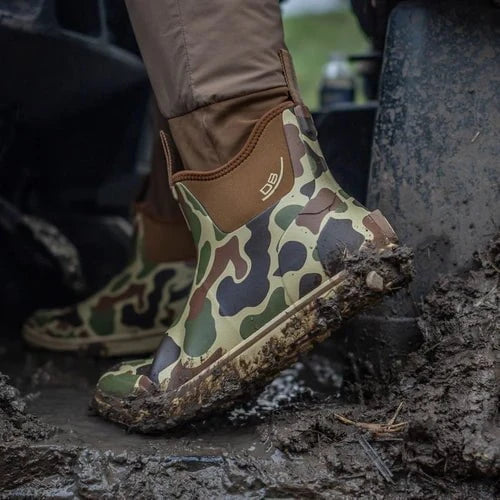
Camouflage
-
Match the Environment: Choose patterns that blend with the vegetation and terrain of the area you’re hunting.
-
Conceal Everything: Don’t forget to cover your face, hands, and any shiny equipment.
Mobility
-
Lightweight Gear: Use portable blinds, decoy bags, and lightweight waders to stay mobile.
-
Boats and Kayaks: If permitted, small watercraft can help you reach less accessible hunting spots, including private land where ducks may seek refuge.
Reliable Equipment
-
Weatherproof Guns: Use shotguns designed to withstand wet and muddy conditions.
-
Non-Toxic Ammo: Ensure compliance with regulations by using approved ammunition for waterfowl hunting.
The right gear enhances your comfort and effectiveness, especially during the spring snow goose season when hunters face increasingly pressured conditions.
Conclusion
Hunting waterfowl on high-pressure public lands requires strategy, adaptability, and patience. By prioritizing scouting, timing, and realistic setups, you can overcome the challenges of crowded areas and wary birds. Respect for other hunters and the environment ensures a positive experience for everyone while keeping public lands enjoyable for future generations.
FAQs
How do I find less crowded areas on public lands? Scout thoroughly to locate overlooked spots such as small ponds, backwaters, or areas that require extra effort to access.
What’s the best time of day to hunt waterfowl on public lands? Early morning and late afternoon are the most productive times, especially when birds move between feeding and roosting areas.
How can I make my decoy spread stand out in high-pressure areas? Use smaller, realistic spreads and mix species to mimic natural behavior. Avoid overused patterns.
How can I stay ethical while hunting on public lands? Respect other hunters’ space, avoid taking unethical long-range shots, and clean up after yourself to maintain the integrity of shared spaces.
What’s the biggest mistake public land hunters make on high-pressure public lands? The most common mistake is overcalling or failing to adapt to changing bird behavior and hunting pressure. Keep your approach subtle and flexible.