


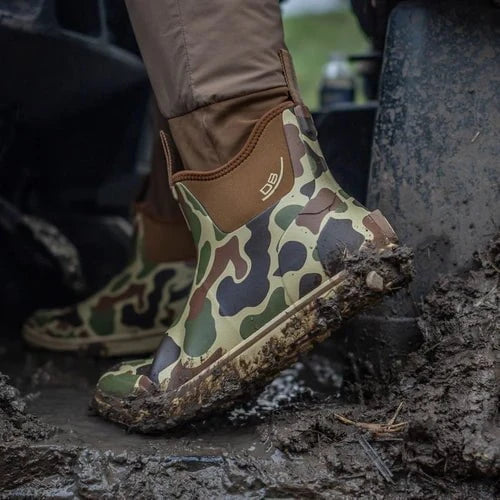
Shotguns & Rainy Days
Hunting in rainy or wet conditions adds an extra layer of challenge to the pursuit. While the excitement of the hunt remains, moisture can wreak havoc on your shotgun if it isn’t properly maintained. Water exposure can lead to rust, corrosion, and malfunction, compromising both safety and performance. By mastering the art of shotgun maintenance in wet conditions, you ensure your firearm remains reliable for years to come.
Understanding the Impact of Moisture on Shotguns
Rain and damp conditions can have immediate and long-term effects on your shotgun, especially when dealing with a wet firearm. Recognizing these issues is the first step in maintaining its integrity:
-
Rust formation occurs when water comes into contact with metal surfaces, especially if left unchecked.
-
Moisture can accumulate in the internal mechanisms, leading to performance issues.
-
Wood stocks and grips can swell or warp when exposed to excessive dampness.
Using a moisture barrier can also help protect your shotgun from the harmful effects of damp conditions.
Knowing how moisture affects your firearm allows you to take proactive measures to protect it.
Preparing Your Shotgun Before a Wet Hunt
Preparation is key to ensuring your shotgun handles wet conditions effectively. Before heading out, follow these steps:
-
Apply a high-quality protective coating to metal surfaces to repel water and prevent rust.
-
Inspect your shotgun for any pre-existing damage or wear that could worsen with exposure to moisture.
-
Ensure all screws, bolts, and fittings are tightened to prevent water from seeping into internal components.
-
Apply waterproof grease to the moving parts to ensure smooth operation and protection against moisture.
-
Pack a cleaning kit and absorbent cloths to address moisture in the field.
-
Consider using a shotgun with a plastic stock, as it minimizes rust and moisture-related issues compared to wooden stocks. Plastic stocks are durable, easy to clean, and maintain functionality and aesthetics despite exposure to rain.
Preparing your shotgun ahead of time minimizes potential issues during and after the hunt.
Protective Measures During the Hunt
While in the field, taking extra precautions can keep your shotgun functional and safe despite the rain:
-
Keep the shotgun angled downward when not in use to prevent water from entering the barrel.
-
Use a water-resistant or waterproof case during long periods of inactivity or heavy downpours.
-
Wipe down the firearm periodically with a dry cloth to remove surface moisture.
-
Use an oily rag to wipe down the shotgun periodically during the hunt to protect all metal surfaces from rust and water damage.
-
Avoid resting your shotgun directly on wet surfaces, as this can transfer water to the metal and stock.
These measures help limit moisture exposure, preserving your shotgun’s performance throughout the hunt.
Post-Hunt Care for Wet Shotguns Using Compressed Air
After a wet hunt, immediate care is essential to prevent damage. Follow these steps to restore your shotgun:
-
Disassemble the shotgun carefully, paying attention to any water that may have entered the barrel, action, or other components.
-
Dry all parts thoroughly using a clean, absorbent cloth. For hard-to-reach areas, consider using a small brush, compressed air, or a hair dryer.
-
For wooden stocks, consider placing the shotgun near a wood stove to aid in evaporation and prevent rust or damage to the wood and metal components.
-
Apply a light coat of protective oil, such as Rem Oil, to the metal parts to prevent rust and ensure smooth operation.
-
Inspect the stock and grips for signs of swelling or warping, and allow them to dry naturally if damp.
-
If the shotgun has been exposed to salt water, thoroughly rinse and dry all parts to prevent corrosion.
-
Place silica gel packs in the storage area to absorb any remaining moisture and prevent rust.
Proper post-hunt care prevents lasting damage and ensures your shotgun is ready for the next outing.
Long-Term Maintenance Tips: Applying a Light Coat of Oil
Maintaining your shotgun over the long term requires consistent care, especially if you frequently hunt in wet conditions. Consider these tips:
-
Store your shotgun in a cool, dry place with controlled humidity to prevent moisture buildup.
-
Use a dehumidifier or silica gel packs in your storage area to further reduce humidity.
-
Regularly clean and oil your shotgun, even if it hasn’t been used recently, to maintain its condition.
-
Check for any signs of rust or corrosion and address them immediately to prevent spreading.
-
Use a rust inhibitor spray on metal parts to provide an extra layer of protection against moisture.
Long-term maintenance ensures your shotgun remains reliable, even with frequent use in challenging environments.
Choosing the Right Gear for Wet Conditions
The gear you use during a wet hunt plays a significant role in protecting your shotgun. Look for equipment designed to withstand moisture, such as:
-
Durable, water-resistant gun cases for transport and storage
-
High-quality cleaning tools that effectively remove moisture and debris
-
Lubricants and oils specifically formulated for corrosion resistance
Investing in the right gear complements your maintenance efforts, offering additional protection against the elements.
Understanding Common Mistakes in Wet Condition Maintenance
Even with good intentions, mistakes in shotgun care can lead to damage over time. Avoid these common errors:
-
Leaving the shotgun in its case after a wet hunt, which traps moisture and accelerates rust
-
Using improper cleaning tools that can scratch or damage surfaces
-
Overlooking small areas like trigger mechanisms or choke tubes, where moisture can linger
-
Neglecting regular maintenance between hunts, allowing small issues to grow
Being mindful of these mistakes helps you maintain your shotgun’s condition and longevity.
Adjusting Techniques for Different Materials
The type of shotgun you use may require specific care methods. Metal components and wooden stocks often need different approaches:
-
Metal parts should be treated with a rust-preventative oil and wiped down thoroughly after exposure to moisture.
-
Wood stocks should be sealed with a water-resistant finish before the hunt and dried gently afterward to avoid cracking or warping.
-
Synthetic materials are generally more resistant to water but still benefit from thorough drying and cleaning.
Tailoring your maintenance routine to your shotgun’s materials ensures comprehensive care.
Benefits of Proper Shotgun Maintenance
Taking the time to care for your shotgun yields several benefits beyond protecting its functionality:
-
Enhanced safety by reducing the likelihood of malfunctions caused by corrosion or debris
-
Improved accuracy and reliability, even in adverse conditions
-
Increased lifespan of your firearm, preserving its value and performance
-
Peace of mind knowing your shotgun is prepared for any hunt
Proper maintenance transforms your shotgun into a dependable tool, regardless of weather challenges.
Conclusion
Rainy and wet hunts test both the hunter and the equipment, but with proper care, your shotgun can withstand these conditions without issue. By preparing your firearm, taking precautions during the hunt, and committing to thorough maintenance afterward, you ensure its safety, reliability, and longevity. With the right approach, you’ll be ready to face any weather, confident in the performance of your shotgun.
FAQs
How can I prevent rust on my shotgun after a wet hunt?
Dry your shotgun thoroughly as soon as possible, paying attention to all components. Apply a rust-preventative oil to metal parts and store it in a dry, humidity-controlled environment.
Should I use a specific type of oil for wet conditions?
Yes, choose a high-quality oil designed for corrosion resistance. These oils protect against moisture and ensure smooth operation of the shotgun.
Can I use my shotgun case to store the firearm after a hunt?
It’s not recommended to store your shotgun in its case after a wet hunt, as moisture can become trapped inside. Instead, dry the shotgun completely and store it in a well-ventilated, dry area.
How do I know if my shotgun’s wood stock is damaged by water?
Look for signs of swelling, warping, or cracking. If you notice these issues, allow the wood to dry naturally and consider applying a protective sealant in the future.
What is the best way to clean the barrel after a wet hunt?
Disassemble the shotgun and use a cleaning rod with patches or a bore snake to remove moisture and debris. Follow up with a light coating of oil to protect the barrel’s interior from rust.