


Spotting waterfowl in flight is one of the most rewarding aspects of birdwatching and hunting. The way waterfowl navigate the sky tells a great deal about their bird species, behavior, and even their migration patterns. By understanding the flight patterns of different waterfowl species, birdwatchers and hunters can become much more adept at identifying and tracking these birds from a distance.
This guide will explore the art of spotting waterfowl flight patterns, providing insights into the distinctive behaviors and formations that can help you master the skill of identifying waterfowl on the wing.
Understanding Waterfowl Behavior
Understanding waterfowl behavior is crucial for successful duck hunting and observation. Each waterfowl species, such as ducks and geese, exhibits unique behaviors that can help hunters and observers identify and track them. For instance, ducks are known to follow specific migration patterns, feeding habits, and habitat preferences. By understanding these behaviors, hunters and observers can anticipate and prepare for waterfowl activity.
Some key aspects of waterfowl behavior include:
-
Migration Patterns: Waterfowl species migrate at different times of the year, often following specific routes and stopover points. Recognizing these patterns can help you predict when and where to find different species.
-
Feeding Habits: Different waterfowl species have unique feeding habits. Dabbling ducks, like mallards, feed on the water’s surface, while diving ducks, such as canvasbacks, dive underwater for their food. Understanding these habits can help you locate feeding grounds.
-
Habitat Preferences: Waterfowl species prefer specific habitats. For example, wood ducks are often found in forested wetlands, while pintails prefer open grasslands. Knowing these preferences can guide you to the best observation spots.
By familiarizing yourself with these behaviors, you can enhance your chances of a successful duck hunting experience or a rewarding birdwatching session.
Understanding Waterfowl Flight Patterns
Waterfowl flight patterns are influenced by factors such as different bird species, migration status, weather, and environmental conditions. Each species of waterfowl has unique flight characteristics that make them identifiable even when seen from a distance.
-
Wingbeat Speed and Rhythm: Waterfowl typically fly using rapid wingbeats. However, smaller species like teal tend to have faster, shorter wingbeats compared to larger species like mallards and Canada geese, which flap their wings more slowly and steadily. The speed and rhythm of a waterfowl’s wingbeats can offer key clues as to which species is flying.
-
Altitude: Most waterfowl fly at low to moderate altitudes, particularly during migration. While some species, such as geese, may fly at higher altitudes during long-distance migration, most waterfowl are seen flying at heights ranging from just above the water to about 50 feet in the air. The altitude at which they fly can also depend on environmental factors such as wind and air currents.
-
Flight Style: Waterfowl can be divided into different flight styles depending on their species. Some birds, like ducks, often fly in a more direct line, while others, like geese, are known for their V-shaped formations. The style of flight can provide immediate identification clues.
Spotting Flight Patterns of Common Waterfowl Species
Recognizing the flight patterns of common waterfowl and duck species will help you become proficient at identifying them as they fly overhead. Different species have unique flight behaviors that make them easy to spot once you know what to look for.
-
Ducks: Ducks are often seen flying in loose formations or as single birds. Smaller species like teal or pintails fly at higher speeds, darting in and out of view. Larger ducks, such as mallards or northern shovelers, typically fly at a steadier pace, often in pairs or small groups. Mallards, for example, fly in a straight line with steady, rhythmic wingbeats.
-
Tip: Pay attention to the speed of their wingbeats and the shape of the body. Smaller ducks like teal and wood ducks will typically fly faster and in smaller groups, while larger ducks like mallards will be slower and often fly in pairs.
-
Geese: One of the most recognizable flight patterns is that of geese, especially Canada geese. Geese are known for flying in large V-shaped formations, which helps them conserve energy by taking advantage of air currents. The lead bird breaks the air resistance, and the following birds benefit from the updrafts created by the birds ahead of them. Geese tend to fly in larger flocks, and their honking calls are often heard while they are in flight.
-
Tip: Look for the distinct V-shaped formations in the sky. Canada geese and snow geese often fly in large groups and are easily recognizable by the size of their bodies and their consistent, honking calls.
-
Swans: Swans, like tundra swans, have a distinctive flight pattern. They are large and graceful fliers, often seen flying in a straight line or in a gentle V-formation. Their wings have a slower, more deliberate beat compared to smaller ducks, and they tend to fly at higher altitudes.
-
Tip: Swans are easy to identify due to their long necks and graceful, slow flight. They typically fly higher than ducks and geese, and their calls are deep and resonant, adding to their distinctiveness.
Observing Flight Formations
Flight formations are often the most obvious indicator of the species in flight, especially with larger waterfowl like geese and swans. Understanding different flight formations will give you better insight into what you’re observing in the sky. Hunters often use duck calls to attract ducks into their shooting range, mimicking the vocalizations of different species to create a realistic environment.
-
V-Formation: Geese and some swans are famous for their V-shaped flight formations. This formation helps conserve energy, with each bird flying in the updraft created by the bird in front of it. This pattern is often associated with long migrations.
-
Tip: When you see a large group of birds flying in a V-formation, it is most likely geese. The formation helps them conserve energy and allows the birds to stay in communication with each other.
-
Loose Groups or Pairs: Ducks, especially those that don’t migrate in large groups like geese, are often seen flying in looser groups or pairs. Mallards, northern pintails, and teal are commonly seen flying in smaller, scattered groups or as singles.
-
Tip: If you see small groups of waterfowl flying together or even single birds flying steadily across the sky, you’re likely looking at smaller ducks, such as mallards or pintails.
-
Solo Flight: While most waterfowl prefer to travel in groups, some species, particularly males during the breeding season, can be seen flying alone. Wood ducks, for example, may be seen flying alone or in pairs as they migrate or leave their roosting areas.
-
Tip: If you spot a single waterfowl flying solo, it could be a solitary male or a lone traveler from a larger group. This is especially common during the non-migratory season or when birds are transitioning to different habitats.
Environmental Factors and Their Impact on Migration Patterns
Weather and environmental conditions play a major role in how waterfowl fly. Wind, temperature, and the presence of predators can influence the way birds move through the sky. Environmental conditions such as weather and habitat availability can significantly impact duck populations and their migration patterns.
-
Wind and Air Currents: Strong winds, especially tailwinds, can help waterfowl travel more efficiently. When wind conditions are favorable, migrating waterfowl may fly faster and at higher altitudes. Conversely, headwinds can slow down migration and force birds to take lower, slower flights.
-
Tip: Observe how waterfowl adjust to wind conditions. You might notice that they change their flight patterns depending on whether the wind is helping or hindering their progress.
-
Temperature and Migration: Temperature also plays a crucial role in determining when waterfowl begin migrating. Cooler temperatures in northern breeding grounds often trigger the migration southward for ducks and geese. As the weather turns colder, many waterfowl begin to move south, taking advantage of milder weather and accessible food in their wintering grounds.
-
Tip: Migration patterns tend to start as temperatures cool, with waterfowl flying in larger groups. The change in behavior and flock size can help signal the beginning of the migration season.
Preparing for Waterfowl Observation
Preparing for waterfowl observation requires a combination of knowledge, skills, and equipment. Here are some tips to help you get ready:
-
Research the Area: Start by familiarizing yourself with the local waterfowl species, their habitats, and migration patterns. This knowledge will help you know what to expect and where to look.
-
Choose the Right Equipment: Invest in a good pair of binoculars, a spotting scope, and a field guide to help you identify waterfowl species. These tools are essential for getting a closer look at the birds and distinguishing between different species.
-
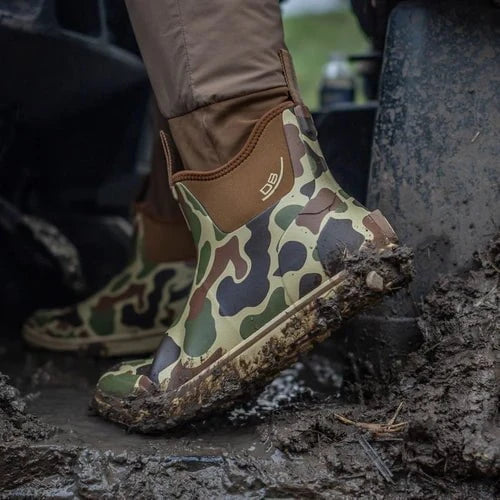
Dress for Success: Wear camouflage clothing to blend in with your surroundings. Bring a hat, gloves, and a blind to stay hidden and comfortable during your observation.
-
Practice Patience: Waterfowl observation requires patience and attention to detail. Take your time to observe and learn from the birds. The more you watch, the better you’ll become at identifying and understanding their behaviors.
By following these tips, you’ll be well-prepared for a successful and enjoyable waterfowl observation experience.
Mastering Waterfowl Identification
Mastering waterfowl identification requires a combination of knowledge, skills, and practice. Here are some tips to help you improve your identification skills:
-
Study the Field Guide: Familiarize yourself with the different waterfowl species, their characteristics, and habitats. A good field guide will provide detailed information and illustrations to help you recognize various species.
-
Practice Observation: Spend time observing waterfowl in their natural habitats. Take note of their behavior, plumage, and other distinctive features. The more you observe, the better you’ll become at identifying different species.
-
Use Technology: Utilize apps, such as Merlin Bird ID, to help you identify waterfowl species and learn more about their habits and habitats. These tools can provide valuable information and enhance your identification skills.
With dedication and practice, you’ll become proficient at identifying waterfowl species, making your birdwatching or hunting experience more rewarding.
Understanding Waterfowl Populations and Habitat
Understanding waterfowl populations and habitat is crucial for conservation and management efforts. Here are some key facts to consider:
-
Waterfowl Populations: Waterfowl populations are affected by various factors, such as habitat loss, climate change, and hunting regulations. Monitoring these populations helps in making informed conservation decisions.
-
Habitat Conservation: Habitat conservation is critical for maintaining healthy waterfowl populations. This includes preserving and restoring wetlands, grasslands, and other habitats that support waterfowl. Efforts to protect these areas ensure that waterfowl have the necessary resources to thrive.
-
Migration Patterns: Understanding migration patterns is essential for managing waterfowl populations and habitats. Identifying key stopover points and habitats that support waterfowl during their migrations helps in creating effective conservation strategies.
By understanding these aspects, you can contribute to the conservation and management of waterfowl populations and their habitats, ensuring their survival for future generations.
Using Binoculars and Spotting Scopes to Track Flight
Waterfowl are often seen flying at high altitudes or from a distance, making binoculars and spotting scopes essential tools for tracking and identifying them during migration. These tools allow you to focus on the birds’ behavior, flight patterns, and size, helping you better distinguish between species. In addition to using binoculars and spotting scopes, mastering duck calls can greatly enhance your ability to attract and identify ducks during observation.
-
Binoculars: A pair of binoculars with at least 8x magnification can help you zoom in on birds and get a clearer view of their flight patterns, making it easier to identify them from afar.
-
Tip: Use binoculars to focus on waterfowl when they’re flying overhead or resting at a distance. This will allow you to track their flight path and behavior without disturbing them.
-
Spotting Scopes: For longer distances or observing large flocks, a spotting scope offers higher magnification, making it easier to focus on individual birds or large groups.
-
Tip: When tracking larger flocks or distant flights, a spotting scope can help you differentiate between species and understand their behavior more clearly.
Conservation and Ethics
Conservation and ethics are essential for maintaining healthy waterfowl populations and habitats. Here are some key principles to consider:
-
Respect the Environment: Avoid disturbing waterfowl habitats and respect the environment to minimize your impact. This includes staying on designated paths and not littering.
-
Follow Regulations: Familiarize yourself with local hunting regulations and follow them to ensure sustainable waterfowl populations. Adhering to these rules helps protect waterfowl and their habitats.
-
Practice Responsible Hunting: Practice responsible hunting techniques, such as using non-toxic shot and respecting bag limits, to minimize your impact on waterfowl populations. Ethical hunting practices contribute to the long-term health of waterfowl species.
-
Support Conservation Efforts: Support conservation efforts, such as habitat restoration and research initiatives, to help maintain healthy waterfowl populations and habitats. Getting involved in these efforts can make a significant difference in preserving waterfowl for future generations.
By following these principles, you can help ensure the sustainability of waterfowl populations and their habitats, promoting a healthy and balanced ecosystem.
Conclusion
Mastering the art of spotting waterfowl flight patterns requires practice and an understanding of each species' unique behavior in the sky. By learning the distinct characteristics of flight patterns, formations, and behaviors, you’ll be able to identify waterfowl with greater accuracy and ease. Whether you’re birdwatching or hunting, understanding how waterfowl fly is an essential skill that will enhance your experience and deepen your appreciation for these fascinating birds.
FAQs
How can I tell the difference between ducks and geese in flight for waterfowl identification?
Ducks tend to fly in loose groups or pairs and have a steadier, more direct flight. Geese, on the other hand, fly in V-shaped formations, with larger flocks and more synchronized movements. Accurately identifying ducks and geese in flight is crucial for a successful hunt, as it allows hunters to target the right species.
Why do geese fly in V-formations?
Geese fly in V-formations to conserve energy. Each bird benefits from the updraft created by the bird in front of it, reducing the amount of energy needed for flight.
How can weather affect waterfowl flight patterns?
Strong tailwinds can make migration faster and more efficient, while headwinds can slow down the flight and cause birds to fly at lower altitudes. Wind conditions play a major role in how waterfowl navigate during migration.
What is the best time to observe waterfowl in flight?
The best times to observe waterfowl in flight are early morning and late afternoon, especially during migration. These are the times when birds are most active, traveling to and from feeding or resting areas.
How do I use binoculars or spotting scopes to track waterfowl?
Binoculars help you focus on individual birds flying overhead, allowing you to track their flight patterns. A spotting scope offers higher magnification for observing large flocks or distant flights, making it easier to identify species and behavior.