


Hunting in Marshlands
Hunting in marshlands presents a unique set of challenges. Cold mornings can be particularly tough, making it essential to wear appropriate warm gear like fleece clothing to stay comfortable during early morning hunts. The terrain is often difficult to navigate, water levels vary, and the environment can be unpredictable. Whether you’re hunting waterfowl, small game, or large game, having the right tools and gear will not only make your experience more enjoyable but also increase your chances of a successful hunt. The tools you choose must be durable, weather-resistant, and adaptable to the demanding conditions of marshlands.
This guide outlines the best tools for hunting in marshlands, from essential hunting gear to practical accessories, ensuring you’re fully prepared for your next hunt.
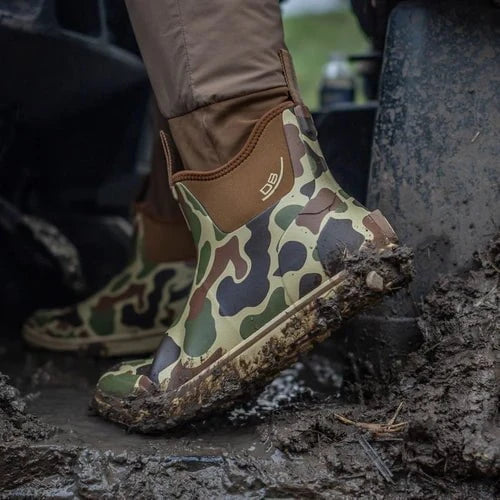
Marshland Boots
Marshlands can be muddy, swampy, and waterlogged, making a good pair of boots essential for staying dry and comfortable while navigating the terrain.
Consider insulated boots, which are perfect for keeping your feet warm in cold, wet conditions. Chest or hip waders are ideal if you’re wading through water or thick mud, providing maximum protection from the elements. For more shallow marshland areas, waterproof rubber boots are a great option, offering comfort and protection without the bulk of waders.
Proper footwear is critical, as it keeps your feet dry and protected, allowing you to move freely through the marsh. It also helps prevent slipping or falling in deeper water or soft mud, making it important to find dry ground amidst the water and mud.
Decoys and Blind Bag
Decoys are a must-have for attracting waterfowl in marshlands. Having a variety of decoys and an efficient way to carry and deploy them is key to a successful hunt.
Duck decoys are the most commonly used and should be realistic and durable. You may also want to consider motion decoys, which mimic the movement of ducks’ wings or bodies, making them more appealing to waterfowl from afar. A jerk rig is an effective tool for creating motion among decoys, especially on calm, windless days.
When it comes to transporting decoys, a reliable decoy bag is essential. Look for bags that are easy to carry, durable, and waterproof to protect the decoys. Mesh bags are ideal for draining water and keeping your decoys dry.
Decoys not only attract waterfowl but also make your setup more realistic. A well-organized decoy system allows you to quickly deploy your decoys and efficiently set up your hunting area, giving you an advantage when you’re in the field.
Hunting Blind or Concealment Gear for Duck Hunters
Marshland environments can be challenging for hunters who need to remain hidden from their prey. A hunting blind or effective concealment gear helps keep you out of sight from ducks and other game.
A blind bag is a practical storage solution for keeping your hunting gear organized and easily accessible during your trips.
Portable hunting blinds are compact, lightweight, and easy to set up, providing excellent coverage in the marsh. Pop-up blinds are also popular for their convenience and ease of transport.
If a blind isn’t suitable, camouflage clothing that blends in with the marshland environment is crucial. Layered, waterproof, and breathable fabrics will help you stay comfortable and concealed.
Staying hidden is essential in marshland hunting. A good blind or proper camouflage allows you to remain undetected by game, improving your chances of a successful hunt.
Retrieving Tools (Launchers and Dummy Trainers)
If you’re hunting waterfowl in marshlands, you’ll need reliable retrieving tools for when you send your dog to fetch a bird. A strong bond with your retrieving dog is essential in these conditions, as your dog will need to navigate difficult terrain.
Dog training throwers or launchers are helpful for training your dog to retrieve in open marshland. They ensure that your dog gets the proper training for long-distance retrieves. Using smaller decoys like wood ducks can be advantageous for providing motion and taking up less space.
Dummy trainers are essential for teaching your dog to retrieve. Foam or rubber dummies that mimic birds come in various weights and designs, so you can train your dog to retrieve in conditions similar to a real hunt.
A reliable retrieving system ensures that your dog can bring back waterfowl from the marsh with ease, saving you time and effort. It also improves your dog’s skills, making them a valuable asset in the field.
Waterproof and Durable Firearm
Marshlands can be wet and muddy, so a firearm that’s resistant to water and moisture is essential for ensuring reliable performance during a hunt.
A high-quality, corrosion-resistant waterfowl shotgun is perfect for marshland hunting. Look for shotguns with weatherproof finishes, as they’re built to withstand exposure to moisture. Shotguns designed specifically for waterfowl hunting have longer barrels and tight chokes for long-range shots, which is crucial when hunting in open marsh areas.
Carrying a waterproof gun oil is a great way to maintain your firearm during wet hunts. A durable, weather-resistant firearm ensures that your gun will perform consistently, even in the most challenging marshland conditions, where moisture can cause malfunctions. Using the right firearm allows you to effectively hunt in marshlands, maximizing your success in these unique environments.
GPS and Navigation Tools
Marshlands can be vast, and navigation can be tricky, especially when hunting in unfamiliar areas. GPS and navigation tools help you track your location, mark areas where you’ve seen game, and safely navigate through difficult terrain. Marking areas with deer sign, such as tracks, rubs, and scrapes, is crucial for determining the best locations for setting up stands and developing effective hunting tactics.
Handheld GPS devices are perfect for tracking your location and marking waypoints in marshlands. Many models come with compasses and topo maps, helping you navigate the terrain with ease.
Alternatively, a smartphone with a waterproof case can be a good option. With GPS apps or hunting-specific apps, you can track your routes and waypoints, ensuring you stay oriented in the field.
Having GPS navigation tools on hand helps you stay on track, preventing you from getting lost and allowing you to plan efficient hunting routes.
Multi-tool or Hunting Knife
A multi-tool or hunting knife is an essential item for marshland hunting, where you might need to perform a variety of tasks, from cutting brush for concealment to preparing game after a successful deer hunting expedition.
A multi-tool with pliers, knife blades, and other tools is perfect for performing small tasks during the hunt. A sharp, durable hunting knife is essential for cleaning game and handling other tasks that require precision.
Having a versatile multi-tool or knife ensures you’re prepared for any situation, making it easier to set up, process game, or make adjustments to your gear while hunting in the marsh.
First Aid Kit for You and Your Dog
Marshland hunting increases the risk of accidents or injuries. Having a well-stocked first aid kit can help address minor injuries and prevent more serious issues from arising. Being prepared for collaborative assistance from other hunters in tough hunting scenarios is also crucial.
A human first aid kit should include bandages, antiseptic wipes, pain relief, and any personal medications you may need. It’s also important to carry a dog-specific first aid kit, which should include bandages, paw balm, antiseptic ointment, and a tick remover.
Having a first aid kit on hand ensures you’re prepared to handle minor injuries quickly, whether they occur to you or your dog, allowing you to continue your hunt with confidence.
Waterproof Gear and Clothing
Staying dry and comfortable is key when hunting in marshlands. Waterproof clothing protects you from the elements and keeps you focused on the hunt instead of your discomfort. Most hunters might overlook the importance of proper waterproof gear, but it is essential for a successful and comfortable hunt.
Waterproof jackets and pants are essential for marshland hunting. Look for breathable, waterproof gear that allows for movement and keeps you dry during your hunt. Insulated layers are also important for colder marshland hunts, while moisture-wicking materials will keep you warm and dry.
Waterproof gloves and hats are also helpful in keeping your hands and head warm and dry while offering good dexterity for handling gear.
Waterproof clothing keeps you comfortable and focused, preventing hypothermia and allowing you to move freely through the marsh without getting weighed down by wet clothing.
Conclusion
Hunting in marshlands requires specialized tools and gear to handle the unique challenges of the environment. From waterproof boots and decoys to durable firearms and reliable GPS systems, having the right equipment will improve your comfort, safety, and success while hunting in these tricky conditions. By investing in the best tools for marshland hunting, you’ll be prepared to tackle the dense vegetation, fluctuating water levels, and unpredictable weather, ensuring a successful and enjoyable hunt every time.
FAQs
What type of boots or chest waders are best for marshland hunting?
Insulated boots, hip waders, or chest waders are ideal for marshland hunting. Proper footwear is crucial for successfully navigating marshlands while hunting mature bucks. Choose boots that offer waterproof protection and keep your feet warm and dry while navigating through water or mud.
How do I keep my firearm in good condition during marshland hunting?
Use a waterproof, corrosion-resistant shotgun and carry a water-resistant gun oil to maintain your firearm during wet conditions. Reliable firearms are crucial for hunting marsh bucks in wetland environments, where mature bucks prefer the solitude and safety of marshy areas. Regular cleaning and maintenance will ensure reliable performance.
What kind of decoys should I use in marshlands?
Realistic duck decoys and motion decoys are essential for attracting waterfowl. Seasoned duck hunters excel at using these decoys in challenging environments, showcasing their expertise and dedication. Motion decoys that mimic the movement of ducks’ wings or bodies are highly effective in marshland settings.
How do I keep my dog safe and effective in marshland conditions?
Invest in a retrieving system, such as dog launchers and dummy trainers, to help your dog navigate the marsh effectively. Training your dog to handle challenging terrains is crucial, especially when hunting swamp bucks. Always monitor your dog’s health and ensure they are conditioned for the physical demands of marshland hunting.
Is GPS really necessary for marshland hunting?
Yes, GPS and navigation tools are essential for hunting in vast, unfamiliar marshland areas. A handheld GPS or smartphone with a waterproof case helps you stay oriented and marks key hunting spots.