


Upland bird hunting is a rewarding outdoor pursuit that combines skill, strategy, and the right equipment. Whether you're after pheasants, quail, grouse, or partridges, having the appropriate gear and mastering effective techniques are key to a successful and enjoyable hunt. This guide covers the essentials for upland bird hunting, from must-have gear to field-tested strategies.
Firearms and Ammunition
Shotguns
-
Gauge: A 12-gauge shotgun offers versatility and power, while a 20-gauge is lighter and ideal for smaller game or longer hunts.
-
Barrel Length: Choose a barrel length between 26 and 28 inches for a balance of maneuverability and accuracy.
-
Action Type: Pump-action, semi-automatic, or over-under shotguns are all effective; the choice depends on personal preference and experience.
Choke Tubes
-
Improved Cylinder: Best for close-range shots where a wider spread is advantageous.
-
Modified Choke: Offers a tighter spread for medium distances, ideal for mixed terrains.
Ammunition
-
Shot Size: No. 6 or No. 7.5 shot is commonly used for upland birds like ruffed grouse and sharp-tailed grouse, balancing pellet count and energy. Ruffed grouse are commonly found in young forests in the Great Lakes and northeastern regions, while sharp-tailed grouse are often pursued in prairie states.
-
Load Type: Lead is traditional, but non-toxic alternatives like steel or bismuth are required in certain areas.
Apparel and Footwear
Clothing
-
Upland Jacket or Vest: Lightweight, durable, and designed with blaze orange for safety. Look for vests with ample pockets for shells and game storage.
-
Upland Hunting Pants: Tough, brush-resistant upland hunting pants protect against briars and rough terrain. These pants are designed with features such as briar-resistance, water resistance, and comfort, making them superior to regular jeans in rugged environments.
Footwear
-
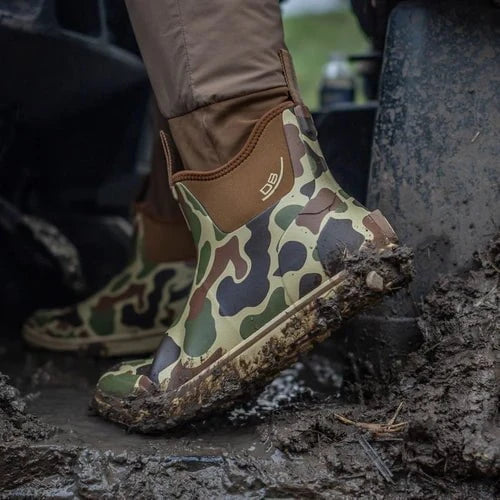
Boots: Waterproof, ankle-supporting boots with good traction are essential for walking long distances over uneven ground.
-
Socks: Moisture-wicking and cushioned socks reduce the risk of blisters.
Accessories
Safety Gear
-
Blaze Orange Hat: Required in many areas to ensure visibility to other hunters.
-
Shooting Glasses: Protect your eyes from debris and improve visibility in varying light conditions.
Dog Equipment
-
Collar and Leash: A well-fitted collar and sturdy leash for controlling your hunting dog.
-
Water and Bowl: Keep your dog hydrated during the hunt.
-
First Aid Kit: Include items like bandages and antiseptic for both you and your dog.
Navigation and Tools
-
GPS or Map: Essential for navigating hunting grounds and marking productive spots.
-
Multi-Tool or Knife: Useful for a variety of tasks, including field dressing game.
-
Game Bag: Lightweight and easy to carry for transporting birds.
Miscellaneous
-
Binoculars: Great for spotting birds at a distance.
-
Shell Belt or Pouch: Keeps extra ammunition easily accessible.
-
Snacks and Water: Stay energized and hydrated during long hunts.
Techniques for Upland Bird Hunting
Scouting and Locating Birds
-
Understand Habitat: To effectively hunt upland birds, it's crucial to learn methods such as flushing, pointing, and stalking. Understanding hunting seasons, necessary gear, and habitat identification is essential for a successful hunt. Learn the preferred habitats of your target species, such as grassy fields for pheasants or dense cover for grouse. Understanding the diversity of upland habitats, from mountaintops to marshes, can significantly help in locating birds during upland hunting seasons across the U.S.
-
Timing: Birds are most active in the early morning and late afternoon, so plan your hunt accordingly.
-
Edges and Transitions: Focus on field edges, fence lines, and transitions between habitats where birds are likely to forage or seek cover.
Hunting with Dogs
Pointing Dogs
-
Role: Locate birds and hold them in place, giving hunters time to approach.
-
Best For: Open fields or areas with sparse cover.
-
Popular Breeds: English Pointer, German Shorthaired Pointer, Brittany.
Flushing Dogs
-
Role: Work close to the hunter, flushing birds into the air.
-
Best For: Dense cover or thick brush.
-
Popular Breeds: English Springer Spaniel, Labrador Retriever, Cocker Spaniel.
Walking and Flushing Techniques
Walk Slowly: When hunting wild birds, move at a steady pace to avoid spooking birds prematurely. The unpredictability and challenges of hunting wild birds require a careful and deliberate approach.
Pause Often: Brief stops mimic predator behavior and can cause birds to flush. This technique is particularly effective in the natural habitats where wild birds reside.
Work in Grids: Cover the area systematically to ensure no spots are missed. This method is essential for thoroughly searching the unpredictable environments where wild birds are found.
Shooting Tips
-
Lead the Bird: When hunting upland birds, it is crucial to know the local laws, hunting seasons, and the various species of upland birds that can be pursued. Aim slightly ahead of the bird’s flight path to account for speed and distance.
-
Follow Through: Maintain your swing after firing to ensure accuracy.
-
Know Your Range: Avoid shooting beyond your effective range to prevent missed shots or wounded birds.
Field Dressing and Game Care
-
Clean Quickly: Field dress game birds as soon as possible to preserve meat quality.
-
Cool the Meat: Use a cooler or game bag with proper ventilation to keep birds cool during transport.
Ethical Hunting Practices
-
Follow Regulations: Abide by all local hunting laws, including bag limits and weapon restrictions. When hunting wild birds, it is crucial to follow regulations to ensure sustainable populations and ethical practices.
-
Take Clean Shots: Prioritize clean, ethical kills to minimize suffering.
-
Retrieve All Game: Make every effort to recover downed birds, using a dog if available.
-
Respect the Environment: Leave no trace and avoid damaging habitats.
Conclusion
Successful upland bird hunting requires preparation, skill, and the right equipment. By understanding your target species, mastering techniques, and ensuring ethical practices, you can enjoy a productive and memorable hunting experience. Whether you’re walking fields with a loyal dog or scanning the edges of dense cover, upland bird hunting offers challenges and rewards that make every trip worthwhile. For the best upland bird hunting, consider states like North and South Dakota and Idaho, known for their rich bird populations and accessible public lands.
FAQs
What is the best shotgun gauge for upland bird hunting?
A 12-gauge shotgun is the most versatile for various upland game birds, but a 20-gauge is lighter and suitable for most upland birds, particularly for beginners or those hunting in challenging terrain.
How important is having a hunting dog?
While a dog isn’t essential, it significantly improves your chances by locating, flushing, and retrieving birds more efficiently. For an upland hunter, having a well-trained dog can be a game-changer, enhancing the overall hunting experience. The skills and knowledge an upland hunter needs include finding effective hunting locations, wearing appropriate safety gear, and seeking educational resources. A dog complements these skills by making the hunt more efficient and enjoyable.
What’s the best shot size for upland birds?
Shot sizes No. 6 and No. 7.5 are ideal for most upland birds, offering a balance of pellet count and stopping power.
How do I find birds without a dog?
Focus on likely habitats like field edges, brushy areas, and feeding zones. Understanding the behaviors and habitats of different upland bird species is crucial to locating them effectively. Walk slowly, pause frequently, and use binoculars to spot movement.
What should I pack for a day of upland hunting?
Essentials include a shotgun, ammunition, blaze orange clothing, boots, water, snacks, a knife, a game bag, and a first aid kit. For quail hunting, particularly when targeting Mearns and bobwhite quail, consider packing a lightweight shotgun and smaller shot size for the small coveys. If using a dog, bring supplies like a leash, water, and a bowl.