


Weather plays a significant role in how waterfowl behave, migrate, and interact with their environment. For birdwatchers, understanding the impact of weather conditions on waterfowl can greatly enhance your ability to observe these fascinating birds. From the way birds fly during a storm to how they forage in different weather patterns, the elements have a direct influence on their habits and activities. This guide will explore how various weather conditions affect birdwatching techniques for waterfowl, offering tips and strategies for adapting your approach based on the weather.
Understanding Waterfowl Behavior
Waterfowl, like all wildlife, are deeply influenced by weather patterns. Whether it’s the cold of winter, the warmth of spring, or the unpredictability of storms, weather conditions can alter bird behavior in significant ways. Understanding these changes is key to effectively observing and identifying waterfowl.
Understanding Weather Patterns
Weather patterns play a crucial role in shaping the behavior and migration patterns of waterfowl. For birdwatchers and hunters alike, understanding these patterns is essential for successful duck hunting and effective conservation efforts. Various weather conditions, including temperature, precipitation, wind, and even moon phases, can significantly impact the behavior and movement of migratory birds.
-
Temperature: Changes in temperature are one of the primary triggers for waterfowl migration. As cold temperatures set in, many waterfowl species begin their journey southward to escape freezing conditions and find more abundant food sources. Observing these temperature shifts can help predict when large flocks will start their migration routes.
-
Precipitation: Rain and snow can dramatically affect the availability of food and suitable habitats for waterfowl. Heavy precipitation can flood wetlands, creating new feeding areas, while snow can cover food sources, forcing birds to move to more accessible locations. Understanding these dynamics can help birdwatchers locate waterfowl during different weather conditions.
-
Wind: Wind direction and speed are critical factors in waterfowl migration. Birds often use favorable wind patterns to conserve energy during their long flights. For instance, a strong tailwind can help geese and ducks travel greater distances with less effort. Birdwatchers should pay attention to wind conditions to anticipate increased migration activity.
-
Moon Phases: The phases of the moon can also influence waterfowl behavior. During a full moon, some species may become more active at night, making them harder to spot during the day. Conversely, a new moon might see waterfowl more active during daylight hours. Understanding these patterns can enhance both birdwatching and hunting strategies.
By keeping an eye on these weather patterns, birdwatchers and hunters can better predict waterfowl movements and behaviors, leading to more successful observations and hunts.
Cold Temperatures and Winter Conditions
Migration: In colder temperatures, many waterfowl species, especially those in northern regions, migrate south to escape freezing waters and food scarcity. Birdwatchers should track migration patterns during the fall and spring to observe large groups of waterfowl, especially geese and ducks, moving between their breeding grounds and wintering locations. Cold fronts can force birds to change their routes and create prime birdwatching opportunities by prompting an influx of waterfowl.
Feeding Behavior: In winter, waterfowl typically shift from surface feeding to diving deeper for submerged plants or foraging in fields for leftover crops. During harsh cold spells when water bodies freeze, you may find them in shallow, unfrozen areas or marshes that provide access to food. Birdwatchers can observe these feeding habits by focusing on areas with accessible water or exposed mudflats.
Sheltering: When temperatures plummet, waterfowl seek shelter in areas where they can conserve body heat, such as dense reeds, secluded wetlands, or urban parks. Birdwatchers can look for large flocks of waterfowl huddling together in these sheltered environments, typically near food sources.
Rain and Storms
-
Changes in Flight Patterns: Storms and heavy rain can cause waterfowl to alter their flight patterns. Birds may fly lower to the water or delay migration until the weather clears. However, if a storm is particularly intense, waterfowl may take refuge in sheltered areas or along the coast, waiting for the storm to pass before continuing their journey.
-
Post-Storm Activity: After a rainstorm or passing weather front, waterfowl are often more active, taking advantage of calmer conditions to forage and move between feeding areas. This is an excellent time for birdwatchers to observe them as they resume normal activities in the aftermath of the storm. Storms can drive ducks into fewer areas, creating opportunities to see more birds.
-
Wetlands and Water Levels: Heavy rainfall can flood wetlands, creating new feeding areas for waterfowl. Look for areas where water levels have risen, as these may attract waterfowl looking for new foraging grounds. Birdwatchers can often spot large flocks of ducks and geese in newly flooded habitats that provide rich food sources.
Windy Conditions
Flight Behavior: Weather plays an integral role in the flight patterns of waterfowl. Wind has a significant impact, as strong winds can help waterfowl travel longer distances by providing lift, especially during migration. Geese are often seen flying in V-formations, where they benefit from the updraft created by the bird in front. On windy days, you may notice more migration activity as birds take advantage of the wind’s assistance.
Low-Altitude Flight: In windy conditions, waterfowl may fly closer to the ground to avoid the stronger winds higher up. This is particularly true during stormy weather or when there are headwinds that make higher altitudes less favorable. Birdwatchers should be prepared to look for low-flying birds, as they are often easier to spot when flying just above the water or ground.
Feeding Adjustments: Wind also influences where waterfowl will forage. They may avoid open water with strong currents and seek calmer areas, such as sheltered coves, inlets, or areas with dense vegetation. Birdwatchers can focus on these quieter, more protected spots to find waterfowl in windy conditions.
Moon Phases and Waterfowl Behavior
Moon phases can have a significant impact on the behavior of waterfowl, particularly during the migration season. For hunters and conservationists, understanding how moon phases affect waterfowl behavior can provide valuable insights for planning activities and managing habitats.
-
Full Moon: During a full moon, waterfowl may become more active at night. The increased visibility allows them to forage and move under the cover of darkness, making them more challenging to hunt during the day. Birdwatchers might find it harder to spot these nocturnal activities, but knowing this can help adjust observation times.
-
New Moon: The new moon phase can be an ideal time for hunting and birdwatching, as waterfowl are more likely to be active during the day. With less moonlight at night, birds tend to rest more and feed during daylight hours, providing better opportunities for observation and a successful hunt.
-
Crescent Moon: The crescent moon phase offers a balanced opportunity for both day and night activity. Waterfowl may be less influenced by the moon’s light, making them more predictable in their behavior. This phase can be a good time for hunting, as birds might be less cautious and more active during the day.
By understanding the impact of moon phases on waterfowl behavior, hunters and conservationists can better plan their activities and make more informed decisions about habitat management and conservation efforts. This knowledge allows for more strategic and effective approaches to observing and managing waterfowl populations.
Adapting Your Birdwatching Techniques Based on Weather
Knowing how weather conditions impact the behavior of different bird species allows birdwatchers to adjust their strategies accordingly. The following tips will help you optimize your birdwatching efforts depending on the weather conditions.
Birdwatching During Cold Weather
-
Track Migration: Use the winter months to track the movement of migratory birds. Look for signs of early migrations or large flocks of geese flying in V-formations. Be sure to focus on areas with open water, as these are prime locations for waterfowl to stop during migration. The central flyway is particularly important for tracking waterfowl migration during cold weather.
-
Look for Feeding Sites: In freezing conditions, waterfowl will be concentrated in areas with available food. Look for wetlands or ponds that remain unfrozen or areas with exposed mudflats where waterfowl can forage. Keep an eye on fields where geese are grazing on leftover crops, especially in rural areas.
-
Focus on Shelter: After particularly cold spells, look for waterfowl in sheltered areas such as densely vegetated wetlands or man-made lakes in urban parks. These provide safe resting sites during the day and help birds conserve energy.
Birdwatching During Rain and Storms
Observe Waterfowl Behavior Post-Storm: After a storm or rain shower, head to nearby wetlands or coastal areas to observe how migrating birds, including waterfowl, resume their feeding and resting activities. These periods of calm after a storm offer a unique opportunity to see more active behavior as waterfowl take advantage of improved conditions.
Look for Storm Refuge Areas: When storms hit, waterfowl tend to seek shelter in areas with dense vegetation or coastal habitats that protect them from the elements. Look for large flocks of birds huddling together in these more protected spots.
Keep an Eye on Wetland Changes: With rain, water levels in wetlands often rise, creating new foraging opportunities for waterfowl. Watch for large groups of ducks, geese, or swans feeding in newly flooded areas, as they take advantage of the increased food supply.
Birdwatching During Windy Days
-
Observe Flight Paths: During windy days, waterfowl often adjust their flight paths. Look for birds flying low to the ground or along sheltered water areas to avoid the wind. You may also spot migratory birds moving in larger flocks, especially during strong winds that help them conserve energy.
-
Look for Feeding in Sheltered Areas: On windy days, waterfowl are less likely to feed in open, exposed waters. Instead, they will seek calmer areas, such as sheltered bays, ponds, or marshes with less disturbance from the wind. Focus your efforts on these sheltered areas for the best chance of observing feeding waterfowl.
-
Be Patient and Adjust: Windy weather can make it harder to spot waterfowl in flight, as they are often moving erratically or taking refuge. Be patient and prepared to wait for birds to emerge from shelter once the wind dies down or changes direction.
Gear and Preparation for Weather-Related Birdwatching
Birdwatching in varying weather conditions requires the right gear to ensure comfort and success. Here are some essential tips for preparing for different weather scenarios:
Waterproof and Fog-Proof Binoculars
-
Essential for Wet Weather: When birdwatching in rain or misty conditions, it's important to have waterproof and fog-proof binoculars. These features will ensure that your optics stay clear and functional, even in adverse weather.
Appropriate Clothing
-
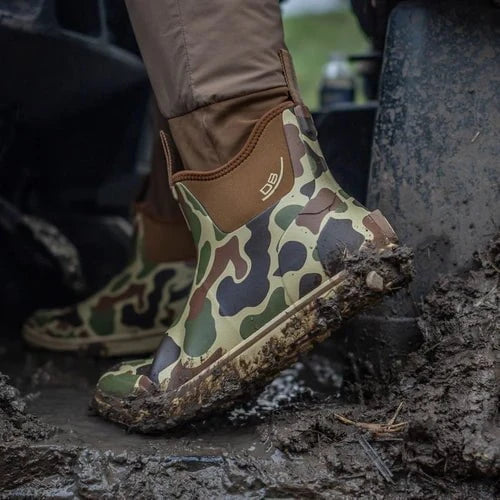
Layered and Weatherproof Clothing: When birdwatching in cold or rainy conditions, wear layers to regulate your body temperature. Waterproof jackets, boots, and gloves will help protect you from the elements while keeping you comfortable during long hours in the field.
Field Notebook and Identification Guides
Track Weather Patterns: Keep a field notebook to record weather patterns, different bird species observed, and any unusual behaviors linked to weather conditions. This will help you understand how weather impacts waterfowl over time.
Species Identification Guides: In challenging weather, where conditions might limit visibility, having a reliable identification guide can help you quickly recognize and differentiate species. Keep a bird field guide handy to help you identify waterfowl accurately in varying conditions.
Conclusion
Weather has a significant impact on waterfowl behavior and birdwatching techniques. By understanding how different weather conditions influence feeding, migration, and sheltering habits, you can enhance your birdwatching experience and improve your ability to spot and identify waterfowl. Whether you're tracking migratory flights during a cold front, observing post-storm activity, or adjusting your search to windy or rainy conditions, adapting your birdwatching techniques based on the weather will help you make the most of every outing. With the right knowledge and preparation, weather will no longer be an obstacle but an opportunity to observe waterfowl in new and exciting ways.
FAQs
How does weather affect waterfowl migration patterns?
Weather is a key factor in triggering migration. Cold temperatures and shorter days signal waterfowl to head south, while favorable winds help them conserve energy during long-distance migration flights.
Why do waterfowl change their feeding habits in winter?
In winter, the availability of food decreases due to frozen waters, so waterfowl adjust by diving for submerged plants or foraging in agricultural fields for seeds and grains.
How do I spot waterfowl during a storm?
Look for waterfowl in sheltered areas, such as dense vegetation or coastal habitats, where they seek protection from the storm. After the storm, watch for increased feeding activity as conditions improve.
What should I wear for birdwatching in wet weather?
Wear waterproof and breathable clothing, including jackets, boots, and gloves, to stay comfortable in rain or snow. Layering your clothes will help you adjust to changing temperatures throughout the day.
How can wind affect waterfowl behavior?
Wind can influence waterfowl flight patterns by causing them to fly lower to the ground or seek shelter in calmer areas. Wind can also assist during migration, helping birds conserve energy over long distances.