


Spotting waterfowl in the wild can be an exciting and rewarding experience, but it can present challenges, especially during rainy weather. Rain can obscure visibility, create challenging conditions for birds and observers alike, and influence the movement and behavior of waterfowl. However, understanding the role of migration in waterfowl behavior during rainy weather can significantly enhance your chances of spotting these magnificent birds. Whether you’re a birdwatcher or a hunter, knowing how migration interacts with weather patterns can help you better predict where and when to find waterfowl during a rainstorm.
Spotting Waterfowl in Rainy Weather
Rainy weather can influence the migration patterns of waterfowl in several ways. The timing and behavior of waterfowl can shift depending on the intensity of the rain, the direction of the winds, and the environmental conditions surrounding migration. The arctic tundra serves as a critical endpoint for migrating birds, and arriving too early can lead to food scarcity due to harsh frozen conditions, posing significant survival challenges.
-
Delays in Migration: Light to moderate rain doesn’t generally stop waterfowl from migrating, but it can slow them down. Waterfowl that rely on tailwinds for energy conservation may adjust their migration paths based on shifting weather patterns. Heavy rain combined with strong winds can cause geese and ducks to delay their travel, as they seek shelter in nearby wetlands or fields until conditions improve. Heavy rain can also impact duck hunting strategies, requiring hunters to adapt to the changing conditions.
-
Migration Triggers: Rain can also trigger migration behavior. For instance, falling barometric pressure associated with storms or low-pressure systems often prompts birds to migrate. This is because they sense changes in weather that indicate the arrival of harsher conditions, which leads them to move quickly to more suitable habitats.
-
Increased Foraging: Rain may encourage waterfowl to forage more actively in wetlands, lakes, or rivers. The rain can create ideal conditions for finding food, as it makes aquatic plants more accessible and may stir up insects and small organisms in the water. This could lead to more visible waterfowl activity despite the poor weather conditions.
Understanding Waterfowl Migration
Waterfowl migration is a complex and fascinating phenomenon that involves the seasonal movement of ducks, geese, and other waterfowl between their breeding and wintering grounds. This migration is driven by a combination of genetic predisposition, environmental cues, and physiological needs. For instance, as the days shorten and temperatures drop, many birds instinctively begin their journey southward to escape the harsh conditions of the northern hemisphere.
The migration routes taken by these birds are not random; they are carefully chosen paths that have been used for generations. Birds fly in flocks for safety, energy conservation, and navigation, often leading to specific wintering grounds where food is abundant and conditions are favorable for survival. Understanding waterfowl migration is essential for conservation efforts, as it helps identify critical habitats and migration routes that require protection. By preserving these areas, we can ensure that future generations of waterfowl have the resources they need to complete their incredible journeys.
Migration and Rain: When to Spot Waterfowl
Knowing when and where to spot waterfowl during rainy weather relies on understanding the behaviors associated with migration and rainfall. While rain may complicate things at times, it can also provide unique opportunities to observe waterfowl in action.
Migratory Timing, Migration Patterns, and Rain
When it comes to spotting waterfowl during migration in rainy weather, timing is everything. During peak migration periods in the fall (September to November) and spring (March to April), waterfowl are more likely to be active, even when it’s raining. Migration is driven primarily by the shortening of daylight hours, the availability of food, and environmental changes such as temperature and precipitation. Small birds face significant challenges during migration, as even light headwinds can drastically reduce their flying range.
-
Fall Migration: During the fall, as cold fronts push southward, rain often accompanies these weather systems. Geese and ducks are likely to be on the move in these conditions, especially ahead of an approaching storm. Migrating flocks may be observed in the early morning or late afternoon when they take advantage of lower winds and more favorable conditions.
-
Spring Migration: In spring, waterfowl begin their journey back north to breed. Rain during this time can signal a quick transition in weather, encouraging birds to migrate or stop and rest in wetland areas. The return of warmer weather and food abundance can make rainy days less of a deterrent, especially as migratory birds seek out wetlands and marshes for rest and nourishment.
Optimal Conditions for Spotting Waterfowl in Rain
While rain may reduce visibility and make birdwatching more difficult, there are several ways to adapt and increase your chances of spotting waterfowl during these conditions:
-
Timing: Rain typically causes waterfowl to be more active early in the morning or late in the afternoon. These are times when birds tend to feed more vigorously, which makes it easier to spot them in shallow waters or along the shoreline. Look for them in areas that provide shelter, like reed beds or wooded areas along wetland edges.
-
Look for Shelter: Waterfowl often take refuge in sheltered areas during heavy rain. Look for birds near the edges of ponds, lakes, or wetlands where they may be hiding from wind and rain. Small islands or areas with dense vegetation are likely spots where waterfowl rest during storms. Wetlands with overhanging trees or tall grasses can also provide cover from the rain, making them ideal for spotting birds without being fully exposed to the elements.
-
Increased Visibility After Rain: Immediately after a heavy rain, when the weather clears or when the rain has subsided, you may have a window of opportunity to spot waterfowl. The rain will have refreshed the environment, and birds will often emerge to feed, especially if the storm has passed. Water levels might be slightly higher, allowing waterfowl to forage more easily in previously submerged areas.
Waterfowl Behavior During Rain and at Wintering Grounds
Understanding waterfowl behavior in rainy weather will help you determine when and where to focus your efforts. Migratory birds are often undeterred by rain, but their activities may differ under these conditions. While dabbling ducks might relocate due to harsh conditions, hunting for diving ducks like scaup and buffleheads can still be productive despite these challenges.
-
Foraging and Feeding: Waterfowl may be more concentrated in areas where food is abundant after rainfall. Rain can stir up insects and small aquatic organisms that are often eaten by ducks and geese. If you’re looking to spot these birds, pay attention to areas where rainwater has washed food sources to the surface or into shallow waters where the birds can easily access them.
-
Resting and Sheltering: During particularly heavy rain or storms, waterfowl may shelter in areas that offer cover. In addition to hiding in dense vegetation, some species may fly in lower altitudes or adjust their flight patterns to avoid the harshest conditions. Look for waterfowl resting near trees or in places that provide shelter from the wind and rain.
-
Flight Activity: Waterfowl migration is often marked by visible flight activity, especially in the early morning or just before a storm. Geese are likely to be flying in V-formations, and ducks may travel in smaller flocks. However, during a heavy rainstorm, you may notice that flight activity slows down, as birds seek shelter and wait for improved weather conditions. After the rain, waterfowl will often resume their flight paths and migration in larger groups.
Rainfall and Habitat Quality
Rainfall plays a crucial role in shaping the quality of habitats used by migratory birds. In areas with high rainfall, wetlands and grasslands are more likely to be abundant, providing essential stopover sites for birds to rest and refuel. These lush environments offer a rich supply of food, such as aquatic plants, insects, and small organisms, which are vital for the birds’ energy needs during migration.
Conversely, drought-stricken areas may offer limited resources, forcing birds to alter their migration routes or timing. When water levels are low, wetlands can dry up, reducing the availability of food and shelter. This can lead to increased competition among birds and may even result in higher mortality rates. Understanding the relationship between rainfall and habitat quality is vital for predicting bird migration patterns and identifying areas that require conservation efforts. By monitoring rainfall and its impact on habitats, we can better protect the critical stopover sites that migratory birds depend on.
Navigation and Orientation
Migratory birds use a variety of cues to navigate and orient themselves during their journeys. These cues include the position of the sun, stars, and magnetic fields, as well as visual and olfactory landmarks. For example, many birds use the sun’s position during the day and the stars at night to guide their way. They can also detect the Earth’s magnetic field, which helps them maintain a consistent direction.
Some bird species also use mental maps, which are thought to be imprinted during their first migration, to guide their subsequent journeys. These mental maps allow birds to recognize familiar landmarks and navigate more efficiently. Understanding how birds navigate and orient themselves is essential for appreciating the remarkable feats of endurance and navigation that they accomplish during their migrations. It also highlights the importance of preserving natural landmarks and habitats that serve as crucial reference points for these incredible travelers.
Major Migration Routes
Major migration routes, also known as flyways, are critical corridors that guide migratory birds between their breeding and wintering grounds. These routes often follow coastlines, mountain ranges, and river valleys, which provide essential stopover sites and habitats for birds to rest and refuel. The four major flyways in North America are the Atlantic, Mississippi, Central, and Pacific Flyways, each of which supports a unique assemblage of bird species.
The Atlantic Flyway, for example, runs along the eastern coast of North America and is used by many waterfowl species, including ducks and geese. The Mississippi Flyway follows the Mississippi River and its tributaries, providing a rich network of wetlands and marshes. The Central Flyway spans the Great Plains and extends into South America, highlighting the significance of diverse habitats such as wetlands and grasslands in this region, which serve as crucial stopover points for various duck species during their migration. The Pacific Flyway runs along the western coast. Understanding major migration routes is essential for identifying areas that require conservation efforts and for predicting bird migration patterns. By protecting these flyways, we can ensure that migratory birds have safe and reliable paths to follow during their incredible journeys.
Best Practices for Spotting Waterfowl During Rain
-
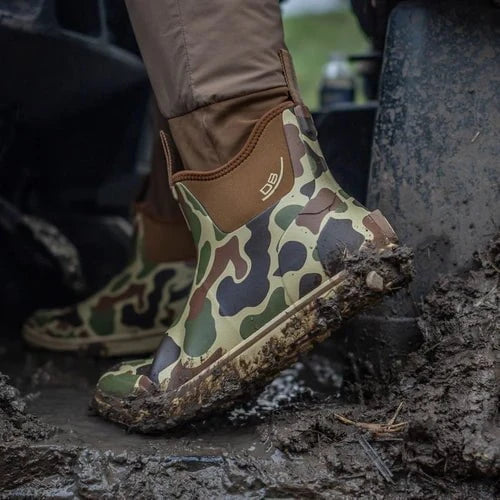
Use Proper Gear: Bring waterproof gear to protect yourself from the elements. A waterproof jacket, pants, and boots will help keep you dry while you observe the birds. A waterproof camera or binoculars can also be beneficial, as these will allow you to take better images and make clearer observations even in rainy conditions.
-
Know the Habitats: Focus your efforts on the best wetland habitats for waterfowl. Shallow ponds, lakes, and marshes with abundant food sources are ideal places to find migrating birds, even during rainy weather. Look for signs of bird activity, such as ripples on the water, movement in the reeds, or groups of birds foraging along the shoreline.
-
Patience is Key: Waterfowl may not be as active during heavy rain, but they often resume their activities once the rain lightens up. Be prepared to wait for a break in the weather when you can spot more birds.
Conservation Efforts for Migratory Birds
Conservation efforts are crucial for protecting migratory birds and their habitats. These incredible creatures undertake long and perilous journeys between their breeding grounds and wintering grounds, relying on a network of habitats to rest, feed, and breed. Unfortunately, many of these habitats are under threat from human activities and climate change, making conservation more important than ever.
One of the most effective ways to conserve migratory birds is to protect and restore their habitats. This includes safeguarding breeding grounds, stopover sites, and wintering grounds. The creation of protected areas, such as national parks and wildlife refuges, provides a safe haven for birds to thrive. Habitat restoration projects, like wetland restoration and reforestation, help to replenish degraded habitats and provide essential resources for migrating birds.
Climate change poses a significant threat to migratory birds, altering migration patterns and reducing the availability of suitable habitats. Conservation efforts must address this issue by promoting sustainable land-use practices and reducing greenhouse gas emissions. Research and monitoring programs are essential for understanding migration patterns, identifying key habitats, and developing effective conservation strategies.
Collaboration between countries and international organizations is vital for protecting migratory birds, as many species cross national borders during their journeys. Education and outreach programs can raise awareness about the importance of migratory bird conservation and inspire individuals to take action. By working together, we can ensure the long-term survival of migratory birds and the natural world they inhabit.
Conclusion
Understanding how waterfowl migration interacts with rainy weather is key to mastering the art of spotting birds during these conditions. While rain may complicate the experience, it also presents unique opportunities to observe birds as they shelter, forage, and adjust their behavior in response to the weather. By being mindful of migration timing, understanding bird behavior, and knowing where to look, you can increase your chances of spotting waterfowl even during rainy conditions. With the right approach and a little patience, you’ll be able to witness the beauty of waterfowl migration, rain or shine.
FAQs
How does rain affect waterfowl migration?
Rain can slow down migration or cause waterfowl to delay their movement until the weather improves. Light rain may encourage feeding, while heavy rain can lead to temporary sheltering until conditions are more favorable.
Is it a good time to spot waterfowl during heavy rain?
While heavy rain can reduce visibility and slow migration, it may also increase foraging activity as waterfowl feed on insects and aquatic organisms stirred up by the rain. After the rain, birds often emerge to feed and resume their activities.
How do waterfowl shelter during storms and at breeding grounds?
Waterfowl shelter in areas with dense vegetation, along wetland edges, or in secluded spots with trees or overhanging plants to protect themselves from the rain and wind. Look for them in these sheltered areas when the weather is particularly stormy.
What should I bring when birdwatching in the rain?
Bring waterproof gear like a jacket, pants, boots, and waterproof binoculars or camera to stay dry and maintain visibility when spotting waterfowl. A waterproof cover for your gear is also a good idea.
When is the best time to spot migrating waterfowl along migration routes during rainy weather?
The best times to spot migrating waterfowl during rainy weather are early in the morning or late afternoon, when birds are most active before or after storms.