


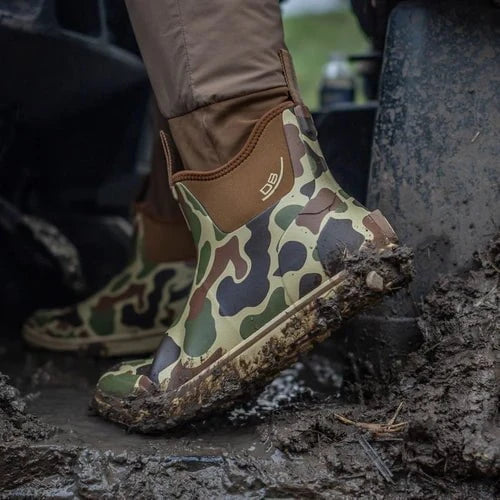
Whether you’re hiking through rugged terrain, hunting in the wild, or simply enjoying an outdoor adventure, being prepared for emergencies is crucial. Accidents can happen unexpectedly, and the wilderness can be unforgiving, but knowing how to respond and stay safe can make all the difference. Effective emergency field safety involves a combination of proper preparation, essential skills, and the right mindset. By following a few key tips, you can ensure that you’re well-prepared to handle emergencies and stay protected during your outdoor activities.
Pack the Right Gear
Emergency field safety requires the right gear to stay safe in the field, especially when an emergency arises. Carrying the right equipment, including a charged cell phone for communication, can help you manage most common field emergencies like injuries, weather changes, or getting lost. Having the right gear is crucial for effective emergency response.
Understanding Emergency Preparedness
Emergency preparedness is a crucial aspect of ensuring the safety and well-being of individuals and families in the event of a disaster or emergency. It involves having a plan, supplies, and a communication strategy in place to help navigate unexpected situations. By understanding emergency preparedness, individuals can take proactive steps to minimize risks and ensure a safe transition out of danger. The Federal Emergency Management Agency (FEMA) emphasizes the importance of emergency preparedness, providing resources and guidelines for individuals to prepare for natural disasters and other emergencies. Whether it’s a hurricane, earthquake, or any other unforeseen event, being prepared can make all the difference in how effectively you respond and recover.
Planning and Preparation
Planning and preparation are crucial steps in ensuring your family’s safety during an emergency. By having a well-thought-out plan in place, you can minimize the risk of injury or harm and ensure a smooth transition to safety.
It's also important to plan for an emergency evacuation to ensure everyone knows the safest routes and procedures.
Essential Items to Include in Your Emergency Preparedness Kit
-
First Aid Kit: A comprehensive first aid kit should be one of the first items you pack. Make sure it includes bandages, antiseptics, pain relievers, gauze, medical tape, tweezers, scissors, and any personal medications. These items are crucial for maintaining emergency field safety. Additionally, having an emergency response plan is essential to effectively use your emergency preparedness kit.
-
Personal and Hygiene Items: Don't forget to pack personal and hygiene items such as toothbrushes, toothpaste, soap, and sanitary wipes. Emergency sanitation is also important to prevent infections and maintain health during a crisis.
-
Emergency Shelter: A
Additional Safety Gear Based on Activity
-
Hunting: If you’re hunting, always include a survival knife, field dressing kit, and any specialized gear for your specific activity, such as game bags or scent blockers. Specialized gear can significantly enhance emergency field safety.
-
Hiking or Backpacking: For longer hikes or backpacking trips, consider packing a lightweight stove for cooking and a multi-purpose tarp for shelter. Emergency communication devices are also crucial for ensuring safety in remote areas.
-
Fishing: If you’re fishing, don’t forget a good tackle box, bait, and a net for easier handling of fish, as well as extra line and hooks in case you get tangled.
Personal and Hygiene Items
In addition to essential emergency supplies, it’s vital to include personal and hygiene items in your emergency kit. These items help maintain personal hygiene and comfort during an emergency, reducing the risk of illness and infection. Personal and hygiene items also contribute significantly to emergency field safety by ensuring cleanliness and health. Emergency sanitation is crucial for maintaining health during emergencies. Consider packing the following:
-
Toothbrush, Toothpaste, and Dental Floss: Keeping your teeth clean is essential for overall health.
-
Soap, Toilet Paper, and Hand Sanitizer: Basic hygiene items to keep you clean and prevent the spread of germs.
-
Moist Towelettes, Garbage Bags, and Plastic Ties: Useful for sanitation and waste management.
-
Feminine Hygiene Products and Baby Supplies (if applicable): Ensure you have necessary items for all family members.
-
Prescription Medication and Essential Medical Equipment: Don’t forget any specific medical needs.
-
Extra Glasses or Contact Lenses (if applicable): Vision is crucial, so have backups ready.
-
Personal Hygiene Items, such as Shampoo, Conditioner, and Body Wash: Maintaining cleanliness can boost morale and health.
By including these items in your emergency kit, you can ensure that you and your family remain healthy and comfortable, even in challenging situations.
Important Documents and Tools
In the event of an emergency, having important documents and tools readily available can be a lifesaver. These items can help you communicate effectively, access essential services, and respond to emergencies. Make sure to include:
-
Copies of Identification (Driver’s License, Passport, etc.): Essential for proving your identity.
-
Insurance Policies and Emergency Contact Information: Important for accessing services and contacting loved ones.
-
Emergency Building Materials, such as a First Aid Kit and Fire Protection Equipment: Crucial for immediate response to injuries and fire hazards.
-
A Battery-Powered Radio and/or a NOAA Weather Radio: Stay informed about weather conditions and emergency broadcasts.
-
A Whistle to Signal for Help if Needed: Simple yet effective for attracting attention.
-
A Community Alert System, such as a Smartphone App or a Two-Way Radio: Stay connected with local officials and emergency personnel.
-
A List of Emergency Contact Numbers, including Local Officials and Emergency Personnel: Ensure you can reach out for help when needed.
Having these documents and tools on hand can make a significant difference in how you manage and respond to an emergency situation. They are essential for ensuring emergency field safety. Additionally, being prepared for an emergency evacuation is crucial, as it allows for a quick and organized departure.
Emergency Shelter and Warmth
In the event of an emergency, having a safe and warm place to shelter can be a matter of life and death. Consider the following tips to ensure you are prepared:
-
Store Propane Tanks Inside a Well-Ventilated Area, Away from Living Spaces: Proper storage can prevent accidents and ensure you have fuel for heating and cooking.
-
Have a Backup Plan for Heating and Cooling, such as a Portable Generator or a Warm Blanket: Be prepared for power outages and extreme temperatures.
-
Identify Potential Emergency Shelters in Your Area, such as Community Centers or Hotels: Know where you can go if your home becomes unsafe.
-
Keep a List of Emergency Contact Numbers, including Local Officials and Emergency Personnel: Quick access to help can be crucial.
-
Consider Investing in Emergency Building Materials, such as a Portable Shelter or a Warm Sleeping Bag: These items can provide immediate relief and protection.
By having a plan for emergency shelter and warmth, you can reduce the risk of hypothermia and other life-threatening emergencies, ensuring you and your family stay safe and comfortable. Additionally, having a safe and warm place to shelter contributes significantly to emergency field safety. Having an emergency shelter plan is crucial to ensure you are prepared for any situation. It is also important to plan for an emergency evacuation to ensure a swift and safe exit if needed.
Personal Protective Equipment (PPE)
In the event of an emergency, having the right personal protective equipment (PPE) can help protect you and your family from harm. The Federal Emergency Management Agency (FEMA) recommends including the following PPE items in your emergency kit:
-
N95 Masks or Respirators: These are crucial for protecting against airborne contaminants, especially in situations involving smoke, dust, or chemical spills.
-
Goggles or Safety Glasses: Protect your eyes from debris, dust, and other hazardous materials that may be present during an emergency.
-
Gloves: Essential for protecting your hands from hazardous materials, sharp objects, and contaminants. Consider both heavy-duty work gloves and disposable gloves for different situations.
-
Fire Protection Equipment: A small fire extinguisher can be invaluable for putting out minor fires before they become unmanageable. Ensure you know how to use it properly.
-
First Aid Kit: While already mentioned, it’s worth reiterating that a well-stocked first aid kit is a cornerstone of any emergency preparedness plan.
It’s also important to ensure that all family members know how to properly use and maintain their PPE. Regular inspections and maintenance of equipment are crucial, as is training on how to correctly put on and take off PPE. This preparation can make a significant difference in protecting your family during an emergency.
Know the Area and Plan Your Route
One of the best ways to stay safe in the field is by understanding the area you’re in and planning your activities with emergency field safety in mind. Knowing your surroundings and being prepared is crucial in case an emergency occurs. Knowing your route, potential hazards, and the nearest points of help can prevent many emergencies before they occur.
Before You Head Out:
-
Study the Terrain: Familiarize yourself with the landscape, including water sources, elevation changes, and any potential hazards such as cliffs, rivers, or dense forests. Knowing the terrain helps you anticipate difficulties and avoid dangerous areas. Studying the terrain also contributes to emergency field safety by helping you navigate and avoid potential risks.
-
Check the Weather Forecast: Weather can change unexpectedly, especially in remote areas. Before heading out, always check the weather forecast, and be prepared for sudden storms or temperature drops. Checking the weather forecast is crucial for emergency field safety, as it allows you to prepare for adverse conditions.
-
Share Your Plan: Always share your route and plans with a trusted friend or family member, including your estimated return time. This way, someone knows where you are and when to expect you back in case you get into trouble.
While in the Field:
-
Stick to the Plan: Avoid wandering off the marked trails or straying too far from your group. If you get lost or injured, it’s best to stay in place or retrace your steps instead of venturing deeper into unfamiliar terrain. Sticking to the plan and knowing emergency exits contribute significantly to emergency field safety.
-
Know Emergency Exits: Always know the fastest way to leave the area in case of an emergency, whether that means heading back to your car, a trailhead, or a designated safe zone.
Navigation and Orientation
In the event of an emergency, having a plan for navigation and orientation is essential. This includes:
-
Maps: Always have a detailed map of your area, including evacuation routes and locations of emergency shelters. This can help you navigate to safety if an emergency occurs.
-
Emergency Building Materials: Know where to find and how to use materials like sandbags or plywood to protect your home from natural disasters. These materials can be crucial in fortifying your home against floods, storms, or other hazards.
-
Compass or GPS Device: While modern technology is helpful, a traditional compass can be a reliable backup. Ensure you know how to use both to navigate effectively.
-
Emergency Personnel Locations: Familiarize yourself with the locations of nearby police and fire stations. Knowing where to find emergency personnel can expedite getting help when needed.
-
Battery-Powered Radio: A battery-powered radio is indispensable for staying informed about emergency instructions and updates from local officials. This ensures you receive timely information even if other communication methods fail.
Make sure all family members are familiar with these tools and have a plan for staying together in case of an emergency. Regularly review and practice your navigation plan to ensure everyone knows what to do and where to go.
Understand and Prepare for Potential Hazards
Emergency field safety is crucial for understanding common outdoor hazards and knowing how to mitigate them. From animal encounters to extreme weather, being prepared for potential dangers will give you the confidence and knowledge to handle any situation.
Subscribing to emergency weather alerts is essential for staying informed about severe weather conditions.
Assessing Risks and Hazards
Assessing risks and hazards is a crucial step in emergency preparedness. It involves identifying potential threats to your family, home, and community, and taking steps to mitigate them. Here are some tips to help you assess risks and hazards:
-
Identify Potential Natural Disasters: Determine the types of natural disasters that could affect your area, such as earthquakes, hurricanes, or floods. Understanding these risks allows you to prepare accordingly and ensure your emergency kit is well-stocked with necessary supplies.
-
Home-Related Risks: Evaluate your home for fire hazards, structural weaknesses, and environmental hazards like lead or asbestos. Addressing these issues can significantly reduce the risk of injury or damage during an emergency.
-
Daily Activities: Consider the risks associated with your daily activities, such as commuting, outdoor activities, or hobbies. For example, if you frequently hike or camp, ensure you have the appropriate gear and knowledge to handle emergencies in the wilderness.
-
Community Hazards: Identify potential hazards in your community, such as nearby industrial sites, hazardous waste facilities, or areas prone to crime. Being aware of these risks can help you plan safer routes and avoid dangerous areas.
-
Review Your Emergency Kit: Regularly review and update your emergency kit to ensure it is adequate for the risks and hazards you’ve identified. This includes checking expiration dates on food and medical supplies and adding new items as needed.
By assessing risks and hazards, you can take proactive steps to reduce your vulnerability and ensure your family’s safety in the event of an emergency.
Wildlife Safety
-
Bear Safety: If you’re in bear country, know how to store food properly (in bear-proof containers or hanging it high in trees) and make noise to avoid surprising bears. Carry bear spray as a deterrent, and know how to use it in an emergency. Bear safety is a crucial aspect of emergency field safety, as unexpected encounters can escalate quickly.
-
Snake Encounters: Be aware of venomous snakes in the area and take precautions to avoid them, such as wearing high boots and watching where you step. If bitten, remain calm, keep the wound below heart level, and seek immediate medical help. Snake encounters also play a significant role in emergency field safety, requiring prompt and appropriate responses.
-
Other Dangerous Animals: Stay cautious of other potentially dangerous animals like wild boars, mountain lions, or aggressive coyotes. Avoid unnecessary contact and never provoke wildlife.
Weather and Environmental Hazards
-
Heat and Dehydration: If you’re in hot conditions, stay hydrated and protect yourself from heat exhaustion by wearing a hat, sunscreen, and loose clothing. Take breaks in the shade and drink plenty of water.
-
Cold and Hypothermia: In cold environments, layering clothing is key to staying warm. A waterproof jacket, warm gloves, and insulated footwear can make a huge difference in keeping your body temperature stable.
-
Flash Floods: If you’re near a river or stream, avoid setting up camp near the water in case of sudden rain or flash floods. Always be aware of the weather in your area and have an evacuation plan if conditions change quickly.
-
Emergency Weather Alerts: Stay informed about severe weather conditions by subscribing to emergency weather alerts. These alerts can provide critical information to help you avoid dangerous situations.
Understanding weather and environmental hazards is crucial for emergency field safety.
Know Basic First Aid Skills
Emergency field safety is critical in case of injury or illness while in the field. The ability to address injuries or medical conditions can mean the difference between a manageable situation and a life-threatening emergency.
Common First Aid Skills to Know
-
CPR and Rescue Breathing: Knowing how to perform CPR and rescue breathing can save lives in emergencies where someone stops breathing or has a heart attack.
-
Wound Care: Learn how to properly clean and dress wounds, including how to stop bleeding with pressure and bandages.
-
Fractures and Sprains: Knowing how to splint a broken bone and immobilize an injured joint can help prevent further damage while waiting for professional medical care.
-
Dealing with Shock: Learn how to recognize and treat shock by keeping the person warm, elevating their legs, and getting them medical help as soon as possible.
-
Hypothermia and Heat Stroke: Understand the signs of hypothermia and heat stroke, and know the best ways to treat these conditions by regulating body temperature and ensuring hydration.
-
Emergency Medical Assistance: Knowing how to get emergency medical assistance quickly can be crucial in life-threatening situations. Be familiar with emergency numbers and procedures to ensure timely help.
Knowing CPR, wound care, and dealing with shock are essential skills that contribute significantly to emergency field safety.
Incorporating First Aid into Your Emergency Kit
-
Pack Extra Medical Supplies: Your first aid kit should include a variety of bandages, gauze, antiseptic wipes, and medications. Consider adding an emergency space blanket, tourniquet, and an oral rehydration solution for added safety. Packing extra medical supplies and learning basic wilderness medicine contribute significantly to emergency field safety.
-
Learn Basic Wilderness Medicine: Wilderness first aid courses can teach you how to handle emergencies when professional medical help is unavailable. These skills are particularly useful in remote areas where help may be hours or days away.
Stay Calm and Communicate Effectively
In any emergency situation, emergency field safety requires staying calm and thinking clearly. Effective communication and decision-making can help you navigate the situation with a clear mind and take the necessary steps to stay safe.
Remain Calm in Stressful Situations
-
Focus on Breathing: In a high-stress situation, take deep breaths to stay calm and reduce panic. This will help you think through the problem and make better decisions. Focusing on breathing and prioritizing safety are essential for maintaining emergency field safety.
-
Prioritize Safety: Assess the situation quickly and prioritize the most critical actions, such as stopping bleeding, calling for help, or seeking shelter from the elements.
Effective Communication with Emergency Personnel
Use a Communication Device: Always carry a fully charged cell phone or a satellite device in remote areas to ensure you can maintain contact with family members and call for help if needed. If you’re in a situation where you can’t call for help, use a whistle or mirror to signal for assistance. Using a communication device and ensuring clear communication are crucial for maintaining emergency field safety. Having an emergency communication plan is essential to ensure everyone knows how to act and who to contact during an emergency.
Clear Communication: If you’re with a group, communicate your plans and actions clearly to everyone involved. Keep everyone informed of the next steps, especially when navigating difficult terrain or when dealing with an emergency situation.
Practice and Prepare Regularly
Emergency field safety is key to ensuring that you can handle any emergency in the field. Regularly practicing safety drills and reviewing your emergency plan can make you more confident in responding quickly when an emergency arises.
Prepare Your Gear and Skills
-
Practice Using Your Gear: Regularly test and practice with your survival gear. For example, practice starting a fire in different weather conditions, setting up your emergency shelter, or using your first aid kit.
-
Plan Mock Scenarios: Run through mock emergency scenarios with your group or family, so everyone knows what to do in case of an accident or sudden weather change. Practicing with survival gear and planning mock scenarios contribute significantly to emergency field safety.
Stay Informed with a Battery Powered Radio
Stay Updated on Wilderness Safety: Continuously educate yourself on new techniques, tools, and safety tips for outdoor activities. The more you know, the better prepared you will be for emergencies. Staying updated on wilderness safety also contributes significantly to emergency field safety.
Hydration and Nutrition
In the event of an emergency, having a plan for hydration and nutrition is critical. This includes:
-
Water Supply: Ensure you have at least 1 gallon of water per person per day for drinking, cooking, and hygiene. This is the minimum recommended amount to stay hydrated and maintain basic hygiene.
-
Non-Perishable Food: Stock up on non-perishable food items such as canned goods, energy bars, and dried foods. These items have a long shelf life and can provide essential nutrients during an emergency.
-
Manual Can Opener and Cooking Equipment: A manual can opener is essential for accessing canned food. Additionally, having a portable stove or camping grill can help you prepare meals if the power is out.
-
Water Purification: Collect emergency building materials like water purification tablets or a portable water filter. These tools can ensure you have access to safe drinking water if your primary supply runs out.
-
Propane Tank Storage: Store propane tanks inside a safe, well-ventilated location, away from heat sources and open flames. Proper storage is crucial to prevent accidents and ensure you have fuel for cooking.
Ensure all family members know how to properly store and prepare food and water in case of an emergency. This includes understanding how to purify water, cook food safely, and maintain proper hygiene to prevent illness.
By following these guidelines, you can ensure that you and your family are well-prepared to handle any emergency situation with confidence and resilience.
Emergency Response
In the event of an emergency, every second counts. Knowing how to respond quickly and effectively can make all the difference. Here are some key steps to take in an emergency:
Signaling for help is crucial in emergency situations. It can attract the attention of rescuers and increase the chances of a timely response.
Immediate Actions in an Emergency
When an emergency occurs, stay calm and follow these immediate actions:
-
Call Emergency Personnel: Dial 911 or your local emergency number to report the situation. Provide your location and a clear description of the emergency.
-
Evacuate if Necessary: If you are in a life-threatening situation, evacuate immediately. Move to a designated assembly point or a safe location away from danger.
-
Gather Essential Items: If you have time, grab your emergency kit, important documents, and any necessary medications. Ensure all family members are accounted for and ready to leave.
-
Stay Informed: Use a battery-powered radio to listen for updates and instructions from local officials. Follow their guidance to stay safe.
Signaling for Help
In the event of an emergency, signaling for help can be a lifesaver. Here are some tips on how to signal for help:
-
Use a Whistle: A whistle is a simple yet effective tool for signaling for help. Its loud sound can be heard from a distance, making it an essential item in your emergency kit.
-
Flares and Visual Signals: Flares are highly visible and can attract attention from far away. They are particularly useful in low-visibility conditions or at night. Always include flares in your emergency preparedness plan.
-
Reflective Surfaces: Using a mirror or other reflective surface to signal for help can be very effective. By reflecting sunlight towards any aircraft or vehicles, you can make your location known to rescuers.
-
Cell Phone: Always carry a fully charged cell phone with you. In an emergency, use it to call for help. If you’re in an area with no cell service, consider carrying a satellite phone or a personal locator beacon.
-
Community Alert System: Utilize community alert systems to notify local officials and emergency personnel of your location and situation. These systems can provide real-time updates and help coordinate rescue efforts.
Remember, signaling for help is an important part of emergency preparedness. Make sure to have a plan in place and the necessary equipment to signal for help in case of an emergency.
Coordinating with Rescue Teams
If you are unable to evacuate or need assistance, follow these steps to coordinate with rescue teams:
-
Provide Accurate Information: When calling emergency personnel, give them your exact location and any relevant details about your situation. Stay on the line and follow their instructions.
-
Make Yourself Visible: If you are in a building, move to a window or a safe location where you can be seen by rescue teams. Use a flashlight or signal to attract attention.
-
Signaling for Help: Use any available means such as whistles, mirrors, or brightly colored clothing to signal for help and make your presence known.
-
Stay Put if Safe: If you are in a remote area and cannot move safely, find a visible landmark or open space where rescue teams can spot you. Stay put and wait for help to arrive.
By knowing how to respond effectively, you can increase your chances of staying safe and receiving timely assistance during an emergency.
Review and Update Your Plan
Regularly reviewing and updating your emergency preparedness plan is essential to ensure it remains effective. Here are some steps to follow:
Regularly Assess and Improve Your Preparedness
-
Check Your Emergency Kit: Review the contents of your emergency kit regularly to ensure all items are usable and not expired. Replace any outdated supplies and add new items as needed.
-
Update Contact Information: Keep your emergency contact list up-to-date with current phone numbers and addresses. Ensure all family members have access to this information.
-
Practice Your Plan: Conduct regular drills with all family members to practice your emergency plan. This helps ensure everyone knows what to do and can respond quickly in an actual emergency.
-
Stay Informed: Keep up-to-date on potential natural disasters and emergency situations in your area. Adjust your plan as needed to address new risks and challenges.
-
Enhance Your Skills: Consider taking a first aid or emergency response course to improve your skills and knowledge. This can help you respond more effectively in an emergency.
By following these steps, you can ensure your family is prepared for any emergency situation and can respond quickly and effectively to minimize harm. Remember to always stay informed and up-to-date on emergency preparedness and response techniques to ensure your family’s safety.
Staying Safe in the Field
Staying safe in the field requires careful planning, preparation, and attention to detail. Here are some tips to help you stay safe in the field:
-
Carry an Emergency Kit: Always have an emergency kit with you, including essential items like food, water, first aid supplies, and a battery-powered radio. This kit can be a lifesaver in case of an emergency.
-
Maintain Communication: Ensure you have a means of communication, such as a cell phone or two-way radio, to stay in touch with family members and emergency personnel. This is crucial for coordinating help and staying informed.
-
Be Aware of Surroundings: Stay vigilant about your surroundings and potential hazards, such as inclement weather, wildlife, or hazardous terrain. Awareness can help you avoid dangerous situations.
-
Fire Protection Equipment: Use fire protection equipment, such as fire extinguishers or fire starters, to prevent and respond to fires. Knowing how to use this equipment is essential for safety.
-
Store Propane Tanks Safely: Store propane tanks inside a well-ventilated area, away from heat sources and flammable materials. Proper storage can prevent accidents and ensure you have fuel for cooking and heating.
-
Collect Emergency Building Materials: Gather emergency building materials, such as tarps, rope, and duct tape, to help you respond to emergencies. These materials can be used to create shelters or repair damage.
-
Out of Town Contact: Have an out-of-town contact, such as a friend or family member, who can serve as a point of contact in case of an emergency. This person can help coordinate communication and provide support.
-
Stay Informed: Keep up-to-date on natural disasters and other emergencies through local news and emergency alerts. Staying informed allows you to respond quickly and effectively to changing conditions.
By following these tips, you can stay safe in the field and respond effectively in case of an emergency. Remember to always be prepared and have a plan in place to ensure your safety and the safety of those around you.
Conclusion
Being prepared for emergencies in the field is essential for staying safe and protecting yourself and others. By packing the right gear, knowing the area, understanding potential hazards, and practicing basic first aid, you can handle unexpected situations with confidence. Staying calm, communicating effectively, and regularly preparing for possible emergencies will increase your chances of successfully navigating any challenge you may face. Always prioritize safety and remember that preparation is the key to an enjoyable and secure outdoor experience.
FAQs
What should I do if I get lost in the field?
If you get lost, stay calm, and don’t wander too far from your location. Try to retrace your steps, use your map and compass to orient yourself, or signal for help using a whistle or flashlight.
How can I prevent dehydration in the field?
Drink water regularly, even if you're not thirsty. Always carry a water purifier or purification tablets, especially if you’re in an area without reliable water sources.
What should I do if I encounter wildlife?
Stay calm and avoid approaching or startling wildlife. Give animals plenty of space, and if you encounter something dangerous (like a bear), back away slowly while remaining calm. Carry bear spray if you're in bear country.
How can I keep my first aid kit organized?
Keep your first aid kit in a waterproof, easy-to-access container. Organize the contents in small, labeled compartments, and check the kit regularly to ensure it’s well-stocked and items are not expired.
How can I signal for help if I don’t have a phone?
If you don’t have cell service, use a whistle, mirror, or flashlight to signal for help. Three loud blasts on a whistle or three flashes with a flashlight are internationally recognized distress signals.