


Rainy weather can sometimes make birdwatching more challenging, but it also presents unique opportunities to observe waterfowl up close. Ducks, geese, and other waterfowl are often more active during rainy conditions, making it an ideal time to spot them as they forage and interact in wet environments. If you’re eager to observe waterfowl in the rain, you’ll need to adjust your birdwatching techniques to adapt to the changing weather. This guide will provide you with useful tips to help you recognize and spot waterfowl during rainy weather.
Spotting Waterfowl in Rainy Weather
Rainy days can trigger a variety of behaviors in waterfowl that make them easier to spot, even though the conditions may seem unfavorable at first glance. Here are some reasons why rainy weather can be great for waterfowl birdwatching:
-
Feeding Behavior: Rain often brings insects, seeds, and other food to the surface of the water, making it an excellent time for waterfowl to forage. Many species, including dabbling ducks, will feed more actively during rain, as the added moisture makes food sources more abundant.
-
Increased Visibility: Contrary to popular belief, rain can actually help you spot waterfowl more easily. As the rain adds ripples to the water’s surface, waterfowl are often more visible against the moving water. Additionally, the cool, overcast conditions during rain can reduce glare and make it easier to spot ducks and geese in open water.
-
Behavioral Changes: Waterfowl may become more active during rainy weather, especially during periods of light to moderate rain. They will often forage or swim around in search of food, taking advantage of the wetter conditions. While heavy rain may cause them to seek shelter, moderate rain typically stimulates more movement.
Understanding Waterfowl Behavior
Understanding waterfowl behavior is crucial for both hunters and bird enthusiasts. By observing and studying the habits of ducks, geese, and other waterfowl, you can gain valuable insights into their preferred habitats, feeding times, and migration patterns. This knowledge can help you identify the best locations and times to hunt or spot these birds, as well as develop effective strategies for attracting them to your decoy spreads.
One key aspect of waterfowl behavior is their response to weather conditions. For instance, ducks and geese tend to fly lower to the ground in bad weather, such as heavy rain or strong winds, while they may soar higher in clear skies. By paying attention to these patterns, you can adjust your hunting or birding strategies accordingly. For example, during a storm, setting up your decoy spreads in low-lying areas might yield better results.
Another important aspect of waterfowl behavior is their social structure. Many species of ducks and geese are highly social and travel in large flocks, often with a dominant male leading the way. Understanding these social dynamics can help you develop more effective decoy spreads and calling techniques that mimic the behavior of these birds. By replicating the natural social interactions of waterfowl, you can increase your chances of attracting them to your location.
By delving into the intricacies of waterfowl behavior, you can enhance your birdwatching or hunting experience, making it more rewarding and successful.
Bird Behavior and Migration Patterns
Bird behavior and migration patterns are intricately linked, as many species of birds migrate to different regions in search of food, shelter, and breeding grounds. By understanding these migration patterns, you can gain valuable insights into the behavior of different bird species and develop effective strategies for spotting or hunting them.
One key aspect of bird migration patterns is the role of weather conditions. Many birds migrate during periods of mild weather, such as during the spring or fall, when temperatures are moderate and winds are light. By paying attention to these weather patterns, you can anticipate the arrival of migratory birds and plan your birdwatching or hunting trips accordingly. For instance, a mild winter might delay the migration of certain species, giving you more time to prepare.
Another important factor in bird migration is food availability. Many birds migrate to regions where food sources, such as insects, seeds, or berries, are abundant. By understanding these food sources and how they relate to bird migration patterns, you can develop effective strategies for attracting birds to your location. For example, setting up feeders with specific seeds can draw migratory birds to your backyard.
In addition to weather and food, habitat and terrain play crucial roles in bird migration patterns. Many birds migrate through specific habitats, such as wetlands, forests, or grasslands, and are more likely to be spotted in these areas. By understanding these habitat preferences, you can focus your birdwatching or hunting efforts in the right locations.
By studying bird behavior and migration patterns, you can gain a deeper appreciation for these fascinating creatures and enhance your ability to spot or hunt them. Whether you’re a seasoned hunter or a beginning birder, this knowledge can help you make the most of your time in the field.
Tips for Spotting Waterfowl in Rainy Conditions
Here are some practical tips to improve your chances of spotting waterfowl during rainy weather:
Using a camera lens can also help you capture clear images of waterfowl despite the rainy conditions.
Use the Rain to Your Advantage
While rain may make conditions less pleasant, it can actually work in your favor when spotting waterfowl. The rain creates ripples in the water, which makes waterfowl more visible compared to calm, flat water. In addition, the overcast skies and dimmer light reduce glare from the sun, allowing you to watch birds without the harsh reflections that occur on sunny days.
-
Look for ripples: Watch for ripples on the water’s surface, which can make the movement of waterfowl easier to spot. Ducks feeding or swimming will create small ripples, and this movement can help you locate them.
-
Pay attention to contrasts: In the gray, rainy environment, waterfowl will stand out more against the surface of the water, especially if you’re looking for colorful male ducks or white markings on birds like geese and swans.
Spot the Right Habitats to Identify Birds
Waterfowl are often found in specific environments during rainy weather. Rain increases the availability of food and often brings waterfowl to shallower areas, where they can forage more easily. Rain increases the availability of food and often brings local birds to shallower areas, where they can forage more easily.
-
Shallow Wetlands and Marshes: These areas become rich in nutrients during the rain, drawing in waterfowl looking for food. Dabbling ducks are particularly active here, as they tip forward to forage for submerged plants and insects.
-
Ponds and Lakes: Look for waterfowl in ponds or lakes with vegetation around the edges. The rain encourages insects and seeds to rise to the surface, which draws in ducks to forage.
-
Flooded Fields: Rain can cause agricultural fields to flood, providing ideal foraging grounds for geese and ducks. These flooded areas are often packed with waterfowl during and after rainstorms.
If you’re looking for waterfowl in rainy weather, focus your attention on wetland habitats, lakes, and marshes that are rich in food sources.
Pay Attention to Duck and Goose Calls
One of the best ways to spot waterfowl in rainy weather is to listen for their calls. Although rain can make it harder to hear distant sounds, it can also help you tune into close calls from ducks and geese that are more active in wet conditions. Listening to these calls can also help you identify birds by their unique vocalizations.
-
Duck Calls: Male ducks often vocalize during rainy weather, especially during feeding or courtship. Listen for the quacking of mallards or the whistling calls of northern pintails or teal. These sounds are often more noticeable during rain as they resonate through the wet air.
-
Goose Calls: Geese are known for their honking calls, and during rain, they tend to be more vocal when foraging or migrating. The honking can help you pinpoint where geese are feeding or flying, even when visibility is reduced.
By listening carefully for duck or goose calls, you can pinpoint their locations and direct your attention to areas with higher concentrations of waterfowl.
Wear Appropriate Gear for Bad Weather
To spot waterfowl effectively in rainy weather, you need to be prepared to stay dry and comfortable. Good gear will ensure that you can stay outside for longer periods, improving your chances of spotting waterfowl.
-
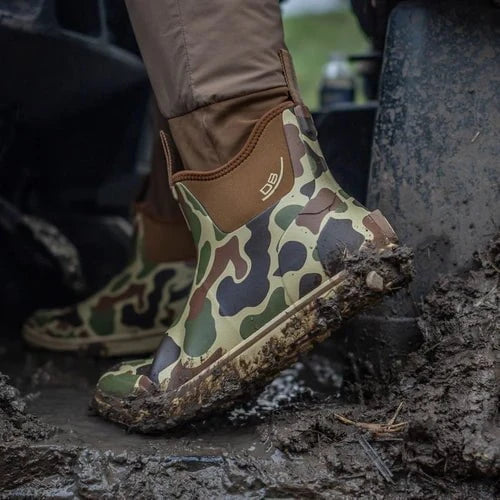
Waterproof Clothing: Wear waterproof jackets, pants, and boots to stay dry. If you’re standing in a wet area or walking through wetland environments, keeping dry is essential for both comfort and prolonged birdwatching sessions.
-
Waterproof Binoculars: Invest in waterproof binoculars to ensure that your gear stays functional during the rain. This will allow you to track waterfowl without worrying about damaging your equipment.
-
Hat or Rain Gear: A waterproof hat or rain cover for your binoculars can protect you from the elements, keeping rain off your face and out of your eyes so you can focus on observing waterfowl.
-
Spotting Scope: A spotting scope can be particularly useful in rainy weather, allowing you to observe waterfowl from a distance without getting too wet.
Being prepared with the right gear ensures you’ll be comfortable enough to keep spotting waterfowl even in the rain.
5. Observe Waterfowl Movement
Waterfowl movement in the rain is often more noticeable due to the added ripples and disturbance on the water. Pay close attention to how the ducks and geese are moving, as rainy weather often encourages them to feed and move around more actively. Understanding the behaviors of two species of waterfowl can also aid in spotting them more effectively during rainy weather.
-
Look for feeding behavior: Ducks tend to be more active in the rain, especially dabbling ducks like mallards, northern shovelers, and teal, which forage on the surface or tip forward in the water. Watch for small ripples around their heads as they feed.
-
Look for birds on the move: Geese and ducks may also be seen migrating or moving between wetland areas in search of better feeding grounds. Pay attention to flocks flying low over the water or landing in flooded fields after rainstorms.
Timing and Patience Are Key
Waterfowl may be more active during the rain, but they also tend to be less visible or more scattered in certain weather conditions. If the rain is heavy, waterfowl may seek shelter under trees, bushes, or tall grasses. These tips are especially useful for beginning birders who are just starting to learn about waterfowl behavior in different weather conditions.
-
Wait for light to moderate rain: The best times to spot waterfowl are during light to moderate rain, which encourages them to feed and be more active on the water. During heavy downpours, they may seek shelter and become more difficult to spot.
-
Be patient: Even if you don’t see waterfowl immediately, be patient. Ducks and geese will continue foraging or resting, and the rain can sometimes drive them to more accessible areas where you can get a better view.
By being patient and waiting for breaks in the weather or periods of lighter rain, you can improve your chances of spotting waterfowl.
Conclusion
Rainy weather doesn’t have to be a hindrance to birdwatching; in fact, it can provide excellent opportunities to spot waterfowl in action. By taking advantage of the unique behaviors that waterfowl exhibit during rainy conditions—such as increased feeding activity, vocalizations, and changes in habitat use—you can make the most of your birdwatching experience. With the right gear, a keen ear for calls, and a focus on habitats rich in food sources, you’ll be able to recognize and observe waterfowl in the rain, gaining new insights into their behavior and making your birdwatching sessions even more rewarding.
FAQs
How does rain affect waterfowl bird behavior?
Rain stimulates increased feeding activity in waterfowl, as it brings more insects and food to the surface of the water. They may also be more visible in rain, as the ripples created by their movement make all the birds easier to spot.
Are waterfowl more active in the rain?
Yes, waterfowl often become more active in the rain, especially during light to moderate rain, when they forage and interact more in search of food.
Can I still spot waterfowl in heavy rain?
While heavy rain can reduce visibility and cause waterfowl to seek shelter, lighter rain can actually enhance birdwatching opportunities as it encourages them to feed and move around more actively.
What is the best time to watch birds in the rain?
The best times to observe waterfowl in the rain are during light to moderate rainfall, particularly in the morning or late afternoon when waterfowl are most active. Avoid heavy rainstorms when ducks and geese may take shelter.
What gear do I need for birdwatching in the rain?
Wear waterproof clothing, boots, and a hat to stay dry. Waterproof binoculars are essential for keeping your gear functional, and a rain cover for your equipment will protect it from the elements.