


How to Survive Bad Weather
Hunting in extreme weather conditions adds a layer of challenge and excitement to your outdoor adventure, but it also requires careful preparation and knowledge to stay safe. Survival skills are crucial in handling extreme weather conditions during a hunt, as they enhance your emergency preparedness and help you learn effective strategies from seasoned preppers. Whether you’re facing freezing temperatures, scorching heat, heavy rain, or high winds, the ability to adapt and prepare can mean the difference between a successful hunt and a dangerous situation. Understanding how to survive and thrive in challenging weather ensures your safety and keeps your hunt enjoyable.
Preparing for the Hunt
Preparation is key to handling extreme weather. Start by researching the area and weather forecast for your hunting trip. This knowledge allows you to pack appropriately and make informed decisions about your hunt.
-
Know the terrain: Understanding the landscape helps you anticipate how weather might impact your movements and safety. For example, heavy rain can make trails slippery and rivers treacherous.
-
Check the forecast: Be aware of any severe weather warnings or potential shifts in conditions during your hunt. Extreme weather changes can affect visibility and temperature, creating hazardous conditions.
-
Pack for the worst: Even if the forecast looks favorable, pack extra gear to handle unexpected weather changes.
-
Carry extra food: While food might not be an immediate priority, it is advisable to carry extra food for unexpected scenarios. This ensures you remain calm and make sound decisions in potentially dangerous situations.
-
Anticipate the Weather
Anticipating the weather is crucial for a successful hunting trip. Extreme weather conditions can be unpredictable, and it’s essential to be prepared for any situation. Before heading out, check the weather forecast to determine the expected temperature, precipitation, and wind conditions. This information will help you pack the right gear and plan your hunt accordingly.
In addition to checking the forecast, it’s also important to be aware of the signs of changing weather. Look for changes in cloud patterns, wind direction, and temperature to anticipate potential extreme weather conditions. By being prepared and aware of the weather, you can minimize the risks associated with extreme weather and stay safe during your hunt.
Dressing for Success
Your clothing choices are your first line of defense against extreme weather. Dressing in layers allows you to adjust to changing temperatures and conditions.
-
Base layer: Use moisture-wicking materials to keep sweat away from your skin. Staying dry is critical in both hot and cold conditions.
-
Middle layer: Insulating layers, such as fleece, help trap heat during cold weather.
-
Outer layer: A weatherproof shell protects against wind, rain, or snow. Choose breathable materials to avoid overheating.
-
Accessories: Gloves, hats, and socks tailored to the specific weather conditions are essential. In cold weather, prioritize insulation, including a warm hat to maintain body heat, while in hot weather, opt for sun protection.
-
Dry clothes: Keep a set of dry clothes accessible in your vehicle. Changing into warm, dry clothes can significantly enhance comfort, especially after engaging in wet activities.
Staying Warm in Freezing Conditions
Cold weather hunts demand special attention to keep your body warm and avoid hypothermia or frostbite. Hunters face significant challenges in cold temps, including the risks of hypothermia and frostbite due to prolonged exposure in harsh conditions.
-
Shelter: Seek natural windbreaks or use portable shelters if conditions worsen.
-
Keep moving: Staying active helps maintain body heat, but avoid sweating, as damp clothing can quickly lead to chills.
-
Fuel your body: High-calorie snacks and hot drinks provide energy to generate body heat.
-
Protect extremities: Focus on keeping hands, feet, and your head warm with insulated gloves, socks, and hats.
-
Be aware of the dangers of cold water; staying dry is crucial to prevent hypothermia, as even mild temperatures can be hazardous when wet.
-
Layering for Cold Weather Hunting
Layering is a crucial aspect of cold weather hunting. It allows you to adjust your clothing to suit the changing temperatures and conditions. A good layering system consists of three main layers: a base layer, a mid-layer, and an outer layer.
The base layer should be moisture-wicking and breathable, such as merino wool or synthetic fabrics. This layer helps to regulate your body temperature and keep you dry. The mid-layer should provide insulation and warmth, such as fleece or down-filled jackets. The outer layer should be waterproof and breathable technology.
By layering your clothing, you can adjust to changing temperatures and conditions, and stay warm and dry. It’s also important to remember to remove layers as you heat up to prevent overheating and sweating, which can lead to cold temperatures and hypothermia.
Beating the Heat on a Summer Hunt
Hot weather brings its own set of challenges, such as heat exhaustion and dehydration. Staying cool and hydrated is vital.
-
Hydration: Bring plenty of water and drink regularly, even if you don’t feel thirsty. Electrolyte replacements can also help prevent dehydration.
-
Shade and rest: Take breaks in shaded areas to avoid overheating. If possible, schedule hunts during cooler parts of the day, such as early morning or late evening.
-
Breathable clothing: Lightweight and light-colored clothing can reflect sunlight and improve air circulation.
Managing Rain and Wet Conditions
Rain can create slippery terrain, obscure visibility, and lead to soaked clothing, which is dangerous in cooler temperatures. Wet weather can significantly impact safety and comfort, making appropriate gear essential to avoid potentially life-threatening situations.
-
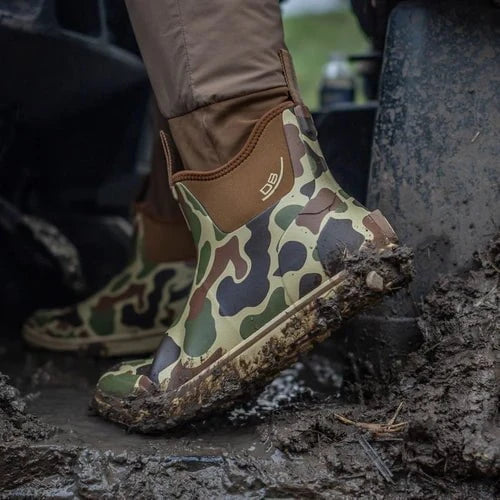
Stay dry: Waterproof outer layers and boots keep moisture out. Avoid cotton clothing, as it retains water and loses its insulating properties when wet.
-
Keep gear protected: Use waterproof bags or covers for essential gear such as firearms, optics, and electronics.
-
Watch for hazards: Rain can make trails, rocks, and riverbanks slippery. Move carefully and avoid crossing swollen waterways.
Dealing with High Winds
Strong winds can make hunting more difficult and dangerous by affecting your visibility, shooting accuracy, and sense of direction.
-
Find shelter: Seek natural windbreaks to shield yourself from the elements.
-
Secure your gear: High winds can displace gear or damage tents and other equipment.
-
Adapt your hunt: Be mindful of how the wind affects your scent and shooting trajectory. Adjust your position accordingly to remain effective.
Emergency Preparedness for Extreme Weather Conditions
No matter how well-prepared you are, emergencies can still arise. Carrying the right supplies and knowing how to respond in extreme situations can save your life.
-
Navigation tools: Maps, compasses, and GPS devices help you stay on course, even in poor visibility or unfamiliar terrain.
-
Emergency shelter: Lightweight tarps or space blankets can provide critical protection against the elements.
-
Survival tips: Always have a plan for unexpected situations, such as getting lost while hunting. These tips can help ensure safety and minimize risks during big game hunting.
-
-
Fire-starting tools: Waterproof matches, lighters, and fire starters ensure you can build a fire for warmth or signaling.
-
First aid kit: A well-stocked kit allows you to treat injuries or illnesses until you can seek help.
-
Communication devices: Radios or satellite communicators ensure you can call for assistance if needed.
Adapting to Changing Conditions
Weather can shift quickly during a hunt, and adaptability is crucial. Monitor the skies and temperature closely and adjust your plans as needed. If conditions become too severe, prioritize safety and consider ending your hunt early. Knowing when to retreat is just as important as being prepared to stay.
Mental Preparedness
Surviving extreme weather is as much about mindset as it is about gear. Staying calm and focused helps you make smart decisions, conserve energy, and avoid panic. Prepare mentally by visualizing potential challenges and practicing how you’d respond. Confidence in your abilities and preparation makes all the difference.
Conclusion
Hunting in extreme weather conditions is a test of both skill and endurance, but with the right preparation and mindset, it can also be incredibly rewarding. Dressing appropriately, packing essential gear, and staying alert to changing conditions ensures you’ll be ready to face whatever nature throws your way. Whether you’re braving the cold, enduring the heat, or weathering a storm, being well-prepared will keep you safe and allow you to focus on the hunt.
FAQs
What is the most important clothing for hunting in cold weather?
A layered system with a moisture-wicking base layer, insulating middle layer, and weatherproof outer layer is essential for staying warm in cold conditions. Accessories like gloves, insulated socks, and a warm hat are also critical for maintaining body heat and ensuring comfort during cold weather hunts.
How do I stay hydrated during a hot-weather hunt?
Carry plenty of water and drink consistently, even if you don’t feel thirsty. Electrolyte tablets or drinks can help replace salts lost through sweating.
What should I do if I get lost during extreme weather?
Stay calm and assess your situation. Use your navigation tools to orient yourself. If it’s unsafe to move, set up a shelter and use fire or signaling devices to attract attention.
How can I keep my gear dry in heavy rain?
Use waterproof bags or covers for essential equipment. Keep sensitive items like electronics and ammunition stored securely in weatherproof containers.
What are the signs of hypothermia or heat exhaustion?
Hypothermia signs include shivering, confusion, and slurred speech. Heat exhaustion symptoms include dizziness, nausea, and excessive sweating. Seek shelter, address these conditions immediately, and call for help if necessary.