


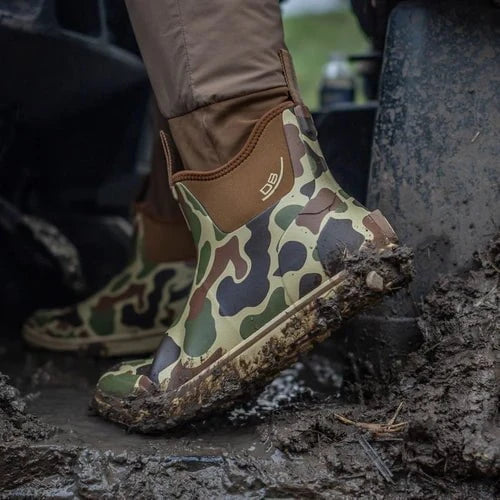
Turkey hunting is an exciting and rewarding outdoor activity, but it can feel intimidating for beginners. Success requires understanding turkey behavior, choosing the right gear, and learning effective hunting strategies. This guide will help you prepare for your first hunt by covering the essentials, from scouting turkeys to taking your first shot.
To hunt turkeys effectively, it’s important to understand their habits, daily routines, and senses. Recognizing turkey sign, such as tracks and droppings, is crucial for understanding turkey behavior and preferred habitats.
Turkey Biology and Identification
Physical Characteristics
Wild turkeys are fascinating creatures with distinctive physical traits that make them stand out in the wild. Adult male turkeys, known as toms, are particularly impressive, weighing between 16 and 24 pounds and measuring 40 to 49 inches in length. These birds are easily recognizable by their striking red and blue heads, long dark brown beards, and fan-shaped tails. Toms also sport sharp, pointed spurs on their legs, which they use for defense and fighting during the mating season.
In contrast, female turkeys, or hens, are smaller and more subtly colored. Hens typically weigh between 8 and 14 pounds and measure 30 to 37 inches in length. Their plumage is more subdued, with a grayish-brown head and body, allowing them to blend into their surroundings more effectively. Understanding these physical differences is crucial for turkey hunters, as it helps in identifying and targeting the right birds during a hunt.
Turkey Sounds and Communication
Wild turkeys are highly vocal birds, using a variety of sounds to communicate with each other. These vocalizations are not only fascinating but also essential for turkey hunters to understand and mimic. The most iconic sound is the gobble, a loud, deep call made by males to attract females and establish dominance over other males. This sound is particularly prevalent during the spring turkey hunting season when toms are actively seeking mates.
Another common sound is the yelp, a high-pitched call made by females to communicate with each other and with males. Clucks, soft chirping sounds, are often used by hens to communicate with their young, while purrs, low humming sounds, indicate contentment among turkeys. Young turkeys, or poults, use a high-pitched kee-kee call to communicate with their mothers.
In addition to vocalizations, turkeys use body language to communicate. Strutting, preening, and displaying their feathers are all ways turkeys convey messages to each other. For turkey hunters, understanding these sounds and behaviors can be a game-changer, making turkey calls an essential part of your turkey hunting gear.
Turkey Habitat and Distribution
Habitat Types and Distribution
Wild turkeys are incredibly adaptable birds, thriving in a variety of habitats across the United States. They are commonly found in forests, grasslands, and agricultural fields, with a preference for areas that offer dense vegetation like trees and shrubs. These environments provide the cover and protection turkeys need to evade predators. Additionally, turkeys require access to food and water, often frequenting areas rich in mast, such as acorns and beechnuts.
In the United States, wild turkeys are present in 49 states, with the largest populations in the southeastern and northeastern regions. They are most abundant in deciduous forests, such as those dominated by oak and maple trees, but can also be found in coniferous forests, including pine and spruce. For turkey hunters, understanding these habitat preferences is crucial for locating and hunting wild turkeys effectively.
Migration Patterns and Concentrations
While wild turkeys are non-migratory birds, they do make short-distance movements in response to seasonal changes in food availability and weather conditions. In the spring, turkeys often move to higher elevations and more open areas where they can find food and mates. Conversely, in the fall, they tend to move to lower elevations and more wooded areas, seeking food and shelter. Fall turkey hunting involves different strategies and techniques compared to spring hunting, such as using decoys and calls.
Turkeys can also be found in concentrations, particularly in areas with abundant food or water. These concentrations are vital for turkey hunters, as they provide opportunities to encounter multiple birds in a relatively small area. Recognizing these patterns and understanding the habitat and distribution of wild turkeys in your hunting area can significantly increase your chances of a successful turkey hunt.
By incorporating this knowledge into your hunting strategies, you can better predict where turkeys are likely to be found, making your turkey hunting experience more productive and enjoyable.
Daily Patterns
-
Roosting: Turkeys roost in trees at night to avoid predators, typically near food or water sources.
-
Feeding: They spend mornings and afternoons feeding on seeds, insects, and grasses.
-
Mating: During spring, male turkeys (toms) display and call to attract hens, making them more vocal and active.
Turkey Senses
-
Vision: Turkeys have excellent eyesight and detect movement easily. Proper concealment is essential.
-
Hearing: Turkeys have keen hearing and respond to calls but can become suspicious of unnatural sounds.
-
Smell: Unlike deer, turkeys have a poor sense of smell, so scent control is less critical.
Preparing for Your First Turkey Hunt
Scouting for Turkeys
-
Locate Roosts: Look for large trees near water or open fields where turkeys roost.
-
Find Feeding Areas: Identify fields, food plots, or forest edges where turkeys forage.
-
Listen for Gobbles: Visit hunting areas at dawn or dusk to hear turkeys gobble as they leave or return to roosts. Before heading out to scout for turkeys, ensure you obtain a valid turkey tag along with your hunting license.
Choosing the Right Gear
Clothing and Concealment
-
Camouflage: Wear head-to-toe camo that matches your hunting environment. Include gloves and a facemask to cover exposed skin.
-
Weather-Appropriate Layers: Dress in breathable fabrics for warmer hunts and insulated layers for colder conditions.
Shotgun and Ammunition
-
Shotgun: A 12- or 20-gauge shotgun with a turkey-specific choke is ideal.
-
Ammunition: Use turkey loads with shot sizes between No. 4 and No. 6 for an effective balance of pattern density and penetration.
Turkey Calls
-
Box Call: Simple to use and great for loud, long-distance calls.
-
Slate Call: Produces soft, realistic calls for close-range work.
-
Diaphragm Call: Hands-free and versatile but requires practice to master.
-
Locator Call: Mimic owl hoots or crow calls to locate gobblers without spooking them.
Decoys
-
Hen Decoy: Mimics a feeding or resting hen, attracting gobblers.
-
Jake Decoy: Represents a young male, provoking aggressive responses from dominant toms.
Other Essentials
-
Seat Cushion or Chair: Stay comfortable during long waits.
-
Binoculars: Scan fields and ridges for movement.
-
Hunting Vest: Organize calls, ammo, and gear for easy access.
-
Water and Snacks: Stay hydrated and energized during the hunt.
Identifying and Interpreting Turkey Sign
Tracks, Droppings, and Feather Signs
Identifying and interpreting turkey sign is a crucial skill for turkey hunters. By recognizing the different signs left behind by turkeys, hunters can gain valuable insights into their behavior, habitat, and movement patterns. Here are some key signs to look out for:
-
Tracks: Turkey tracks are distinctive and can be identified by their three-toed shape. The middle toe is usually longer than the others, and the tracks are typically around 4 inches long and 4 inches wide. Adult turkey tracks are larger than those of younger birds. Observing these tracks can help you determine the size and age of the turkeys in the area, giving you a better idea of what to expect during your hunt.
-
Droppings: Turkey droppings can provide clues about the bird’s diet and sex. Male droppings are typically J-shaped or spiral, while female droppings are smaller and more rounded. By examining droppings, you can gain insights into the turkeys’ recent meals and even identify the presence of male turkeys, which can be particularly useful during the spring turkey hunting season.
-
Feather Signs: Feathers can indicate where turkeys have been, especially if multiple feathers are found in an area. Look for feathers with a distinctive sheen or coloration, as these can be indicative of a turkey’s presence. Finding feathers can also help you locate roosting sites or areas where turkeys have been preening and resting.
By paying attention to these signs, turkey hunters can gain a better understanding of turkey behavior and movement patterns, which can ultimately lead to a successful hunt. Recognizing turkey sign is an essential skill that can significantly enhance your wild turkey hunting experience.
Hunting Strategies for Beginners
Setting Up
-
Positioning: Set up near turkey travel routes, between roosting and feeding areas, or near strut zones where toms display.
-
Cover: Use natural cover like bushes or trees, or set up a pop-up blind for added concealment.
-
Wind and Sun: Position yourself with the sun at your back and consider wind direction to avoid being silhouetted.
Calling Turkeys
-
Start Simple: Use soft clucks and yelps to imitate a hen. Avoid overcalling, as it can make turkeys suspicious.
-
Adjust to Responses: If a gobbler responds, mimic its rhythm and intensity to keep it engaged.
-
Be Patient: Give turkeys time to approach, as they may take indirect routes.
Decoy Placement
-
Distance: Position decoys 15-20 yards from your setup, within your effective shooting range.
-
Orientation: Face hen decoys toward you and jake decoys slightly away to encourage gobblers to approach.
Taking the Shot
Wait for the Right Moment
-
Close the Distance: Allow the turkey to come within 20-40 yards, depending on your shotgun’s effective range.
-
Aim for the Head/Neck: Focus on the base of the neck for a clean, ethical kill.
Stay Still
-
Minimize Movement: Turkeys detect movement easily, so remain as still as possible until you’re ready to shoot.
-
Follow Through: Maintain your aim after firing to ensure a solid hit.
Safety and Legal Considerations for Turkey Hunters
Hunting Regulations and Ethics
Turkey hunting is a regulated activity, and hunters must be aware of the laws and regulations governing the sport. Here are some key considerations:
-
Hunting Licenses: Before heading out into the field, ensure you have obtained a valid hunting license. These licenses can be obtained from state wildlife agencies or online. Having the proper documentation is crucial for legal and ethical hunting.
-
Season Dates: Turkey hunting seasons vary by state and region, so it’s essential to be aware of the specific dates for your area. This information can usually be found on state wildlife agency websites. Adhering to season dates helps maintain sustainable turkey populations.
-
Bag Limits: Bag limits are in place to ensure sustainable turkey populations. Hunters must be aware of the daily and seasonal bag limits for their area. Exceeding these limits can have serious consequences for both the hunter and the turkey population.
-
Hunting Hours: Hunting hours vary by state and region, so hunters must be aware of the specific hours for their area. Typically, hunting is allowed from half an hour before sunrise to sunset, but always check local regulations.
-
Property Rights: Always obtain permission from landowners before hunting on private property. Respecting property rights is not only a legal requirement but also a matter of courtesy and ethical hunting.
In addition to following regulations, hunters must also adhere to a code of ethics that promotes fair chase and respect for the animal. This includes:
-
Fair Chase: Pursue turkeys in a fair and sporting manner, without the use of bait or other unfair tactics. Fair chase principles ensure that the hunt is conducted ethically and sustainably.
-
Respect for the Animal: Treat turkeys with respect and dignity, both in life and in death. This includes making clean, ethical shots and properly handling the animal after the hunt.
-
Conservation: Be aware of the importance of conservation and take steps to promote sustainable turkey populations. This includes participating in conservation programs and supporting organizations like the National Wild Turkey Federation.
By following regulations and adhering to a code of ethics, turkey hunters can ensure a safe and enjoyable turkey hunting experience. Ethical hunting practices not only benefit the hunter but also contribute to the long-term sustainability of wild turkey populations.
Securing Hunting Permission on Land
Securing hunting permission on land is an essential step for turkey hunters. Here are some tips for obtaining permission:
-
Private Land: Hunters can obtain permission from private landowners by contacting them directly or through a hunting lease. When approaching landowners, be respectful and courteous. Explain your hunting plans and experience, and offer to share some of the wild turkey meat as a gesture of goodwill.
-
Public Land: Public land is available for hunting, but hunters must be aware of any restrictions or regulations. Check with state wildlife agencies for maps and information on public hunting areas. Public lands can offer excellent opportunities for turkey hunting, especially if you do your homework and scout the area beforehand.
-
Hunting Clubs: Joining a hunting club or organization can provide access to private land and other hunting opportunities. These clubs often have agreements with landowners and can offer a more structured hunting experience. Additionally, being part of a hunting club can provide valuable networking opportunities and access to experienced turkey hunters.
-
State Wildlife Agencies: State wildlife agencies often provide information on public land hunting opportunities and can offer guidance on obtaining permission from private landowners. They may also have programs that connect hunters with landowners looking to manage turkey populations on their property.
When seeking permission, hunters should be respectful and courteous, and be prepared to provide information about their hunting plans and experience. Building a good relationship with landowners can lead to long-term hunting opportunities and a more enjoyable turkey hunting experience. By securing permission, turkey hunters can ensure a safe and enjoyable hunt, while also fostering positive relationships with landowners and the community.
Post-Hunt Tips
Field Dressing
-
Use a Sharp Knife: Clean the turkey promptly to preserve meat quality. Remove the entrails and rinse the cavity.
-
Feather Removal: Pluck the feathers or skin the turkey, depending on your preferred cooking method.
Meat Processing
-
Breast Meat: The most popular cut, often used for grilling or frying.
-
Legs and Thighs: Great for soups or slow-cooked dishes.
Reflect on Your Hunt
-
Learn from Experience: Evaluate what worked well and what didn’t to improve future hunts.
-
Review Scouting Data: Note locations and behaviors for better planning next season.
Conclusion
Turkey hunting for beginners can be both challenging and rewarding. With the right preparation, gear, and strategies, you can increase your chances of success while enjoying the experience of the hunt. Remember to practice patience, stay safe, and respect the environment and wildlife.
For further learning and support, consider the National Wild Turkey Federation as a valuable resource. They offer guidance on ethical hunting practices, wild turkey biology, and comprehensive hunting tips aimed at both novice and experienced hunters.
FAQs
When is the best time of day to hunt turkeys?
Turkeys are most active at dawn and early morning, so plan to be in position before sunrise.
How close should I be to a turkey before taking a shot?
Aim to get within 20-40 yards, depending on your shotgun’s effective range and pattern.
What’s the easiest turkey call for beginners?
Box calls are the easiest for beginners, producing realistic sounds with minimal practice.
Do I need a decoy for turkey hunting?
While decoys aren’t mandatory, they can significantly increase your chances of drawing turkeys into shooting range.
What should I do if a turkey stops responding to calls?
Stay patient and silent for a while, as the turkey may still approach cautiously. Adjust your calling or reposition if needed.