


Turkey hunting is a thrilling pursuit that requires careful preparation and the right gear for success. Whether you’re a seasoned hunter or heading into the woods for the first time, having the proper equipment ensures you’re comfortable, concealed, and ready for action when a gobbler appears. This guide covers the essential gear you’ll need for a successful turkey hunting season.
Best Turkey Hunting Gear
The right turkey hunting gear, including clothing, helps you stay comfortable, camouflaged, and safe while in the field.
Camouflage
-
Head-to-Toe Coverage: Wear camo patterns that match the terrain, including a camo hat, facemask, gloves, shirt, and pants.
-
Seasonal Adaptation: Use lighter, breathable fabrics in the spring and insulated layers for colder conditions.
-
Break Up Your Outline: Choose patterns that mimic leaves, bark, or grass to blend into your surroundings.
Base Layers and Insulating Layers
When it comes to turkey hunting, dressing in layers is crucial to maintain comfort and flexibility in varying weather conditions. Start with base layers, such as moisture-wicking tops and leggings, which help regulate body temperature and keep you dry by drawing sweat away from your skin. These layers are essential for staying comfortable during long hours in the turkey woods.
Next, add insulating layers like fleece jackets or pullovers. These provide warmth without restricting movement, allowing you to stay agile while navigating the terrain. Look for breathable, moisture-wicking fabrics that will help keep you cool and dry during intense turkey hunting activities. By layering effectively, you can easily adjust to changing temperatures and stay focused on your hunt.
Outer Layers and Waterproofing
Outer layers, including jackets and pants, should be both waterproof and breathable to protect you from the elements. Look for gear with a waterproof and breathable membrane. This will help keep you dry in rainy or snowy conditions while allowing moisture to escape, preventing overheating.
Additionally, consider outer layers with built-in insect repellent or treat your gear with insect repellent to prevent bug bites. This added protection can make a significant difference, especially during spring turkey hunting when insects are more active. By investing in high-quality outer layers, you can stay comfortable and focused, no matter the weather.
Safety Gear
-
Blaze Orange: Some states require hunters to wear blaze orange when moving to and from hunting locations to ensure visibility to other hunters.
-
Hunting License: Ensure you have a valid hunting license as required by state regulations. Specific requirements can vary by state, and you may also need other permits like turkey tags and habitat stamps.
Boots
-
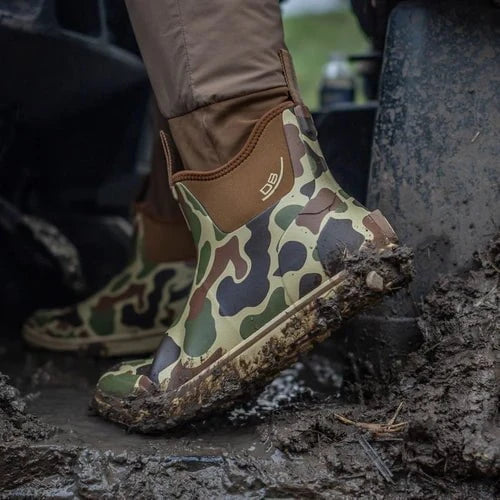
Waterproof: Select boots that keep your feet dry when crossing streams or hunting in damp conditions.
-
Comfortable Fit: Choose lightweight, supportive boots with good traction for navigating uneven terrain.
Turkey Calls and Calling Accessories
Calls are one of the most important tools for turkey hunting, allowing you to mimic turkey sounds and lure gobblers within range. A turkey hunting vest can help keep your calls and other accessories organized and easily accessible during the hunt.
Types of Turkey Calls
-
Box Call: Easy to use and produces loud, realistic hen calls; great for long-distance calling.
-
Slate or Pot Call: Creates soft purrs, clucks, and yelps; ideal for close-range, subtle calling.
-
Diaphragm Call: A mouth call that keeps your hands free and produces a wide variety of sounds; requires practice to master.
-
Locator Call: Mimics sounds like owl hoots or crow calls to elicit a shock gobble, helping you locate turkeys.
Call Accessories
-
Chalk: Keep box calls working smoothly by applying chalk to the surface.
-
Strikers: Carry extra strikers for slate calls to ensure versatility and consistent sound quality.
Weapons and Ammunition
Shotgun
-
Gauge: A 12-gauge shotgun is the most popular choice, but 20-gauge models are lighter and effective for shorter distances.
-
Choke Tubes: Use a full or turkey-specific choke to achieve a tighter shot pattern and improve accuracy.
-
Pattern Your Shotgun: Test your shotgun with different loads to find the best combination for tight, consistent patterns.
Ammunition
-
Shot Size: No. 4, No. 5, or No. 6 turkey loads are commonly used, offering a balance of pellet count and energy.
-
Specialized Loads: Consider tungsten or copper-plated pellets for improved penetration and range.
Archery (Optional)
-
Compound Bow or Crossbow: If hunting with a bow, ensure it’s properly tuned and suited for turkey hunting.
-
Broadheads: Use mechanical or fixed-blade broadheads designed for small game or turkeys.
Decoys
Decoys add realism to your setup and can draw turkeys into shooting range, significantly enhancing your turkey hunts.
-
Hen Decoys: Mimic a feeding or alert hen to attract gobblers.
-
Jake Decoys: Represent young male turkeys and can trigger a dominant tom’s territorial response.
-
Strutting Tom Decoys: Create the appearance of competition, provoking aggressive behavior from dominant gobblers.
-
Placement Tips: Position decoys 15-20 yards away in clear view of your hunting spot, with hens facing toward you and jakes or toms facing slightly away.
Concealment Tools
Concealment is critical when hunting turkeys, as they have excellent vision and detect movement easily.
Ground Blinds
-
Pop-Up Blinds: Offer excellent concealment and comfort, especially for longer hunts.
-
Natural Blinds: Use branches, grass, or other natural materials to create a quick and effective hiding spot.
Facemask and Gloves
-
Full Coverage: Use lightweight camo gloves and a facemask to cover exposed skin, ensuring you remain undetected.
Navigation and Communication Tools
GPS or Map
-
Use GPS devices or topographic maps to navigate the hunting area and mark key locations like roosting spots or travel routes.
Two-Way Radios or Cell Phones
-
Stay in touch with hunting partners and ensure you have a way to call for help in an emergency.
Essentials for Comfort and Safety
Seat Cushion or Chair
-
Portable Cushion: Lightweight and compact, a seat cushion makes sitting on the ground more comfortable.
-
Hunting Chair: A low-profile chair provides added comfort for longer hunts, especially in ground blinds.
Hydration and Snacks
-
Water Bottle or Hydration Pack: Stay hydrated, especially during warm weather hunts.
-
Energy Snacks: Pack high-energy snacks like protein bars or trail mix to maintain stamina.
Weather Protection
-
Rain Gear: Waterproof jackets or ponchos protect you from unexpected downpours.
-
Layered Clothing: Dress in layers to adjust for changing temperatures.
Planning and Preparation
Before heading out on a turkey hunt, it’s essential to plan and prepare thoroughly. Research the area you’ll be hunting, including the terrain, weather, and turkey behavior. Understanding the landscape and the habits of wild turkeys can significantly increase your chances of a successful hunt.
Check local regulations for any specific gear restrictions or requirements, and make sure you have all necessary permits and licenses. It’s also crucial to ensure that your hunting gear is in good working condition. Scouting the area beforehand can provide valuable insights into the turkey’s habitat and patterns, helping you strategize your hunt more effectively.
Safety and Etiquette
Safety should always be the top priority when turkey hunting. Make sure to wear blaze orange or other high-visibility clothing to avoid being mistaken for a turkey. This is especially important when moving to and from your hunting locations. Always be aware of your surroundings and keep an eye out for other hunters.
When setting up a blind or decoys, make sure to follow local regulations and respect other hunters’ space. Additionally, always handle firearms safely and follow proper hunting etiquette, such as respecting private property and not littering. By prioritizing safety and showing respect for others, you can ensure a positive experience for everyone involved.
Other Useful Gear
Binoculars
-
Use binoculars to scan fields, spot turkeys at a distance, or confirm movement.
Turkey Vest
A dedicated turkey hunting vest with multiple pockets keeps your calls, ammunition, and other gear organized and easily accessible.
Knife or Multi-Tool
-
Carry a sharp knife or multi-tool for field dressing or other tasks.
First Aid Kit
-
Pack a compact first aid kit for minor injuries and emergencies.
Conclusion
Having the right gear for turkey hunting can make the difference between a frustrating day in the field and a successful, enjoyable hunt. From clothing and calls to weapons and safety equipment, preparation is key to overcoming challenges and capitalizing on opportunities. By investing in the essentials and taking time to practice your skills, you’ll be ready to meet the demands of the season and bag that elusive gobbler.
Additionally, supporting wild turkey conservation efforts ensures the sustainability of turkey populations for future generations of hunters.
Tips for Turkey Hunters
For experienced turkey hunters, it’s essential to stay adaptable and flexible. Be prepared to adjust your strategy based on the turkey’s behavior and the terrain. Use a variety of turkey calls to mimic different sounds and attract birds. Consider using decoys to create a realistic setup and draw turkeys into shooting range.
Always keep a safe distance from the birds and avoid sudden movements, which can spook them. With the right gear, planning, and preparation, you’ll be well on your way to a successful turkey hunt. Remember, patience and persistence are key to overcoming the challenges of hunting turkeys and achieving your goals in the field.
FAQs
What is the best shotgun gauge for turkey hunting?
A 12-gauge shotgun is the most popular choice, but a 20-gauge is effective for hunters who prefer a lighter weapon or shorter ranges.
How do I choose the right turkey call?
Select calls based on your experience level and hunting conditions. Box and slate calls are beginner-friendly, while diaphragm calls offer versatility for advanced hunters.
Are decoys necessary for turkey hunting?
Decoys are not mandatory but can significantly increase your success by luring gobblers into range, especially during the mating season.
What camo pattern is best for turkey hunting?
Choose camo patterns that match your hunting environment, such as woodland, grassland, or marsh patterns.
How far should I place decoys from my hunting spot?
Position decoys 15-20 yards away in clear sight, ensuring they’re within your effective shooting range and visible to approaching turkeys.