


Hunt upland birds is an exhilarating pursuit that demands the right gear for both success and safety. From durable clothing to reliable firearms, every piece of equipment plays a role in ensuring you’re prepared for the challenges of the field. A well-thought-out gear setup not only enhances your hunting experience but also keeps you comfortable and efficient during long days of walking, tracking, and shooting. Here’s a comprehensive guide to the essential gear every upland bird hunter should bring.
Essential Firearms and Ammunition
Shotgun
To get started upland hunting, the shotgun is the primary tool you will need. Choose a shotgun that suits your hunting style and terrain.
-
Gauge: Popular options include 12-gauge and 20-gauge shotguns, with 28-gauge and .410 also being used for lighter loads.
-
Action: Semi-automatic, pump-action, and over/under shotguns are all suitable, depending on your preference and experience.
-
Fit: Ensure the shotgun fits comfortably for quick aiming and handling in dynamic hunting situations.
Ammunition
Use the appropriate ammunition for your shotgun and the type of birds you’re hunting.
-
Shot Size: Smaller shot sizes (e.g., 7.5, 8, or 9) are ideal for smaller birds like quail, while larger sizes (e.g., 5 or 6) are better for pheasants and grouse.
-
Load: Match the load to your shotgun's specifications and hunting conditions for consistent performance.
Clothing and Footwear
Durable and Comfortable Clothing
Proper clothing protects you from the elements, brush, and terrain while keeping you comfortable throughout the day.
-
Upland Vest: A hunting vest with large game pockets for carrying birds and extra shells is essential.
-
Brush Pants: Reinforced pants designed to resist thorns and thick cover are ideal for navigating rugged terrain.
-
Shirt or Jacket: Wear lightweight, breathable layers for warm weather or insulated jackets for colder conditions.
-
Blaze Orange: Many areas require hunters to wear blaze orange for visibility. Choose a vest, hat, or jacket with blaze orange accents.
Footwear
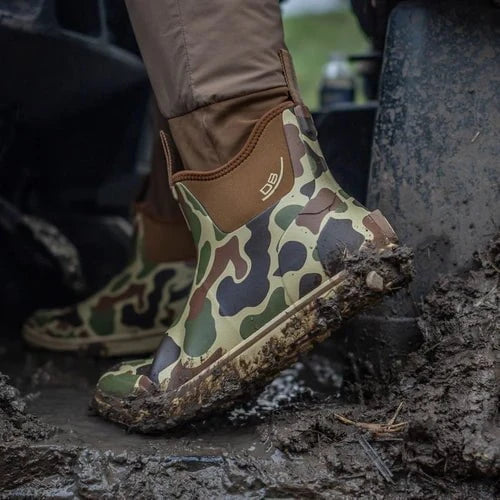
Hunting boots are critical for long walks through uneven terrain, providing both comfort and protection.
-
Waterproof Boots: Protect your feet from moisture in dewy fields or wet conditions.
-
Ankle Support: Choose boots with excellent ankle support to prevent injuries.
-
Comfortable Socks: High-quality, moisture-wicking socks reduce blisters and keep your feet dry.
Safety and Navigation Equipment
Eye and Ear Protection
Safety gear is crucial when handling firearms and hunting in groups.
-
Shooting Glasses: Protect your eyes from debris and enhance visibility.
-
Hearing Protection: Use earplugs or electronic earmuffs to guard against hearing damage from gunfire.
Navigation Tools
Staying oriented in the field ensures safety and efficiency.
-
GPS Device or Map: Carry a GPS unit or a detailed map of the hunting area to avoid getting lost.
-
Compass: A reliable backup in case electronic devices fail.
First Aid Kit
Pack a compact first aid kit for treating minor injuries or emergencies. Additionally, include duct tape as it is essential for emergency situations and field repairs.
Hunting Accessories
Game Bag
A sturdy game bag is essential for carrying birds while keeping your hands free. Many upland vests come with built-in game pockets for convenience.
Shell Belt or Pouch
Keep extra shells easily accessible with a shell belt or pouch. This saves time and reduces fumbling during critical moments.
Dog Gear
If hunting with a dog, especially bird dogs, bring the necessary equipment to support and protect your companion. Ensure you pack enough dog food to keep your hunting dog well-nourished, as proper nutrition is crucial for their health and performance.
-
Collar with ID Tags: Ensure your dog’s collar has identification and contact information.
-
Water and Bowl: Hydration is essential for dogs during intense activity.
-
Dog Boots: Protect your dog’s paws from rough terrain or extreme weather.
-
Training Collar: Use a training collar or GPS tracker to manage your dog’s movements effectively.
Calls and Decoys
Bird Calls
Mastering bird calls can help attract upland birds, especially when hunting quail, or mimic natural sounds for a more realistic hunting experience.
Decoys
While not always necessary for upland hunting, decoys can be effective in certain situations to lure birds into range.
Food and Hydration
Water
Staying hydrated is critical during long hunts. Carry a water bottle or hydration pack to ensure easy access.
Snacks
Pack high-energy snacks like protein bars, nuts, or jerky to maintain your stamina throughout your hunting trip.
Tools and Maintenance Items
Multi-Tool or Knife
A versatile tool is useful for field dressing birds, cutting through obstacles, or making minor equipment adjustments.
Cleaning Kit
A compact firearm cleaning kit allows you to address jams or remove debris from your shotgun during the hunt.
Spare Gear
Bring extra essentials for you and your hunting buddy, such as:
-
Additional shells
-
Backup gloves or hats
-
A dry bag for protecting valuables in wet conditions
Preparing for the Unexpected
Weather Gear
Pack rain gear or an insulated jacket for unexpected changes in weather.
Emergency Kit
Include items like a whistle, fire starter, and emergency blanket in case of extended stays in the field.
Conclusion
Upland bird hunting is as much about preparation as it is about skill. The right gear ensures you stay comfortable, safe, and effective in the field. From firearms and ammunition to clothing and safety equipment, each piece plays a role in making your hunt a success. By investing in quality gear and tailoring your setup to your specific needs and hunting environment, you’ll be ready to tackle the challenges of upland bird hunting with confidence.
FAQs
What type of shotgun is best for upland bird hunting?
A 12-gauge or 20-gauge shotgun is most popular, with action types like over/under, semi-automatic, or pump-action depending on personal preference and hunting conditions.
Is blaze orange required for upland hunting?
Yes, many areas require hunters to wear blaze orange for safety. Check local regulations to ensure compliance.
What kind of boots are best for upland bird hunting?
Waterproof boots with good ankle support and durable soles are ideal for navigating uneven terrain and wet conditions.
Do I need a game bag for upland bird hunting?
A game bag or a hunting vest with built-in game pockets is essential for carrying birds and shells while keeping your hands free.
Should I bring water for my hunting dog?
Yes, hydration is critical for both the upland hunter and their dogs during upland hunting. Bring water and a portable bowl to keep your dog healthy and active throughout the hunt.