


Pheasant hunting in the Midwest is a time-honored tradition, offering hunters an exciting challenge amidst picturesque landscapes of rolling fields and grasslands. Known for their vibrant plumage and explosive flushes, pheasants are one of the most sought-after upland game birds in the United States. This guide provides everything you need to know about hunting pheasants in the Midwest, from understanding their behavior to mastering techniques for success.
Why the Midwest is Ideal
The Midwest is renowned for its abundant pheasant populations, attracting bird hunters with its vast agricultural fields, CRP (Conservation Reserve Program) lands, and natural grasslands that provide ideal habitats. States like South Dakota, Kansas, Nebraska, and Iowa are prime destinations for hunters seeking pheasants.
Top Midwest States for Pheasant Hunting with Public Access
-
South Dakota: Known as the “Pheasant Capital of the World,” it boasts strong bird populations and extensive public access through Walk-In Areas.
-
Kansas: Features a mix of grasslands and crop fields, with excellent hunting opportunities in its Walk-In Hunting Access (WIHA) program. Additionally, Kansas has 'private land open' programs that facilitate public access to privately owned lands for hunters.
-
Nebraska: Offers diverse habitats, from prairie to river valleys, supporting robust pheasant populations.
-
Iowa: Known for its agricultural landscapes and state-managed public hunting lands.
-
North Dakota: A premier destination for pheasant hunting, North Dakota offers extensive habitats and successful management practices. The state highlights various public land access programs that attract hunters to this area.
Understanding Pheasant Behavior
Habitat Preferences
-
Roosting: Pheasants roost in upland habitat, such as tall grasses or dense cover, overnight for protection from predators.
-
Feeding: They forage in agricultural fields, edges, and grasslands during the early morning and late afternoon, feeding on grains, seeds, and insects.
-
Escape Routes: Pheasants are quick to run into dense cover or flush into the air when threatened, making them challenging targets.
Movement Patterns
-
Pheasants are most active at dawn and dusk, moving between roosting and feeding areas.
-
They tend to stay close to edges, such as field borders, hedgerows, or waterway margins, which provide cover and food.
Essential Gear for Pheasant Hunting
Firearms and Ammunition
-
Shotgun: Pheasant hunters often prefer a 12- or 20-gauge shotgun, with a barrel length of 26 to 28 inches for maneuverability and accuracy.
-
Choke Tubes: Improved cylinder or modified chokes provide a good spread for hitting fast-moving birds at medium ranges.
-
Ammunition: No. 4, No. 5, or No. 6 shot offers the right balance of pellet count and energy for clean kills.
Clothing and Footwear
-
Upland Jacket or Vest: Look for blaze orange apparel with plenty of pockets for shells and a game pouch for carrying birds.
-
Brush Pants: Durable, thorn-resistant pants protect your legs from briars and tall grass.
-
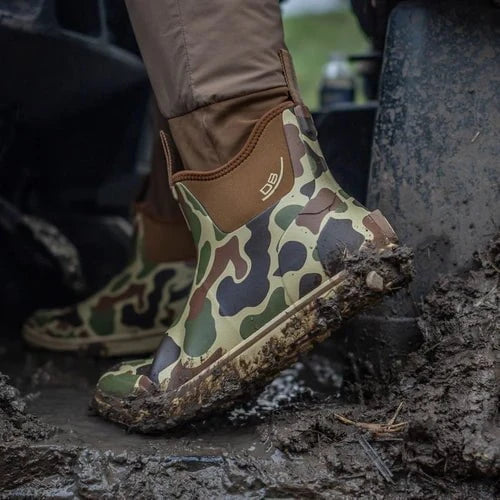
Boots: Waterproof, ankle-supporting boots with good traction are essential for navigating wet fields and uneven terrain.
Accessories
-
Game Bag: Lightweight and easy to carry for transporting birds.
-
Shooting Glasses: Protect your eyes from debris and improve visibility in varying light.
-
Dog Gear: If hunting with a trained hunting dog, bring a water bowl, leash, and first aid kit for your canine companion. A trained hunting dog can significantly assist in locating and retrieving birds, enhancing your overall hunting experience.
Techniques for Hunting Pheasants
Scouting and Locating Birds
-
Focus on Edges: Hunt along field edges, fence lines, and grassy ditches where pheasants feed and hide.
-
Look for Cover: Tall grasses, cattails, and brush piles are common hiding spots for pheasants.
-
Observe Signs: Watch for tracks, droppings, and feathers, which indicate pheasant activity in the area.
-
Consider Hunting Pressure: High hunting pressure in certain regions can reduce your chances of success. Seek out less-visited areas to improve your hunting experience, especially where private land restrictions are lower and weather conditions are favorable.
Working with a Trained Hunting Dog
Upland bird hunting with a trained bird dog can significantly improve your chances of success.
-
Pointing Dogs: These dogs locate and hold pheasants in place, giving you time to approach and prepare for a shot.
-
Flushing Dogs: Flushing breeds like spaniels work closely with hunters to flush pheasants from cover into the air.
-
Retrieving: Dogs retrieve downed birds, saving you time and effort, especially in dense cover.
Walk-and-Flush Technique
-
How It Works: In upland hunting, walk through likely pheasant habitats in a zigzag pattern, pausing occasionally to flush hidden birds.
-
Tips: Move quietly but deliberately, as pheasants often run before flying. Be ready for a quick shot when they flush.
Positioning and Teamwork
-
Blockers: If hunting with a group, position some hunters as blockers at the end of a field to intercept running pheasants.
-
Sweep the Field: Work systematically as a team to cover the entire field without leaving gaps where birds can escape.
Shooting Tips
-
Be Ready: Keep your shotgun at the ready with the safety on, as pheasants flush unpredictably.
-
Lead the Bird: Aim slightly ahead of the bird to account for its speed and direction.
-
Follow Through: Maintain your swing after firing to ensure a clean shot.
-
Focus on One Bird: In a covey flush, concentrate on one bird at a time to improve accuracy.
Post-Hunt Tips
Field Dressing and Cooling
-
Quick Dressing: Clean pheasants as soon as possible to preserve meat quality. Remove the entrails and rinse the cavity.
-
Cool the Meat: Store birds in a well-ventilated game pouch or cooler with ice to prevent spoilage.
Cooking Pheasants
Flavorful Meat: After a successful pheasant hunting trip, the lean and slightly gamey pheasant meat is ideal for roasting, stewing, or grilling.
Popular Recipes: Pheasant pot pie, grilled pheasant breast, and slow-cooked pheasant with vegetables are excellent options.
Ethical and Safe Hunting Practices
-
Follow Regulations: Adhere to local laws regarding bag limits, shooting hours, and access to public and private lands.
-
Respect Landowners: If hunting on private property, obtain permission and leave the area as you found it.
-
Retrieve All Birds: Make every effort to recover downed pheasants to reduce waste.
-
Safety First: Wear blaze orange, communicate with hunting partners, and always be aware of your surroundings.
Conclusion
Hunting pheasants in the Midwest is an unforgettable experience that combines skill, strategy, and an appreciation for the outdoors. By understanding pheasant behavior, using the right gear, and applying proven techniques, you can increase your chances of success while enjoying the beauty of the region’s landscapes. Whether hunting solo or with a group, ethical practices and respect for wildlife ensure a rewarding experience for years to come.
FAQs
What time of day is best for pheasant hunting?
Pheasants are most active in the early morning and late afternoon when they move between roosting and feeding areas.
Do I need a dog to hunt pheasants?
While not mandatory, hunting with a trained bird dog greatly improves your chances of locating and retrieving birds, especially in dense cover.
How far should I lead a pheasant when shooting?
Lead the bird by a few inches, depending on its speed and distance. Practice at a clay shooting range to refine your technique.
What type of habitat do pheasants prefer?
Pheasants, as upland birds, thrive in tall grasses, agricultural fields, and areas with dense cover near food sources.
What’s the best way to carry harvested pheasants?
Use a game bag or vest with a ventilated pouch to carry birds and keep them cool during the hunt.