


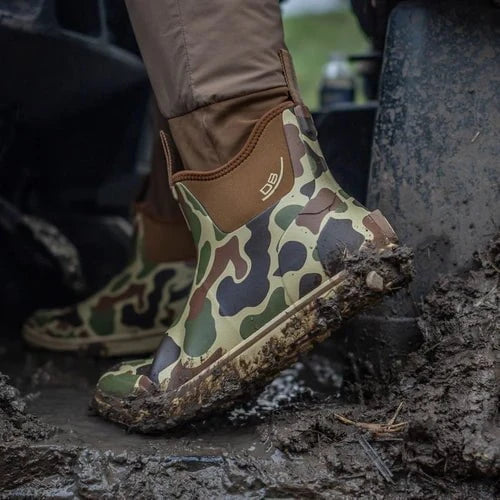
Waterfowl Concealment
Hunting waterfowl requires skill, patience, and the ability to remain concealed from sharp-eyed birds. A hunting blind is a critical tool for achieving this, providing effective camouflage and minimizing movement that could spook your target. Whether you’re on a duck hunt on open water or hunting geese in fields, selecting and using the right blind can significantly increase your chances of success.
This guide covers the benefits of hunting blinds for waterfowl, how to choose the right one, and strategies for setting it up and using it effectively.
Understanding Duck Blind Basics
Duck blinds are essential tools for any waterfowl hunter, providing the necessary concealment to get close to wary ducks and geese. At their core, duck blinds are designed to blend into the natural environment, masking the hunter’s presence and movements. There are several basic types of duck blinds, each suited to different hunting scenarios:
-
Layout Blinds: These low-profile blinds are perfect for open fields and flat terrains, allowing hunters to lie flat and remain hidden.
-
Boat Blinds: Ideal for hunting on water, these blinds attach to boats, offering mobility and effective concealment.
-
Pop-Up or Portable Blinds: Lightweight and easy to set up, these blinds are versatile and can be used in various environments, from marshes to fields.
-
Permanent Blinds: Built in strategic locations, these fixed structures are perfect for areas with consistent waterfowl activity, providing durability and comfort for extended hunts.
Understanding the basics of duck blinds helps hunters choose the right type for their specific needs, ultimately increasing their chances of a successful hunt.
Why Hunting Blinds Are Essential for Waterfowl
Duck hunters know that waterfowl, such as ducks and geese, have exceptional vision and heightened awareness of their surroundings. Hunting blinds offer several advantages:
-
Concealment: Blinds help you blend into the environment, hiding your outline and movements.
-
Protection: They shield you from the elements, allowing you to remain comfortable and focused.
-
Improved Positioning: Properly placed blinds position you close to decoys or feeding zones without alerting birds.
Types of Hunting Blinds for Waterfowl
Different types of blinds are suited to various hunting environments and styles.
Layout Blinds
-
Design: Low-profile blinds designed for lying flat, often used in fields or open spaces.
-
Best For: Goose hunting in agricultural fields or along shorelines. While both deer hunting and duck hunting may use blinds, the configuration and camouflage methods differ significantly to cater to the distinct environments and visibility challenges posed by ducks compared to deer.
-
Advantages: Excellent for blending into flat terrain, with minimal visibility to birds.
Boat Blinds
-
Design: Mounted blinds that attach to hunting boats, providing concealment while on the water.
-
Best For: Duck hunting in lakes, rivers, or marshes.
-
Advantages: Mobile and adaptable, allowing hunters to access various locations easily.
Pop-Up or Portable Blinds
-
Design: Lightweight, collapsible blinds with quick setup.
-
Best For: Versatile hunting in marshes, fields, or near water edges.
-
Advantages: Easy to transport and set up, suitable for diverse terrains.
Permanent Blinds
-
Design: Fixed structures built in strategic locations, often on private property.
-
Best For: Long-term setups in areas with consistent waterfowl activity.
-
Advantages: Durable and spacious, offering comfort for extended hunts. Pit blinds, in particular, offer excellent construction and concealment advantages, blending seamlessly with the surrounding landscape to remain undetectable to waterfowl.
Choosing the Right Blind for Waterfowl
To select the best blind for your waterfowl hunts, consider the following factors for optimal blind placement:
Hunting Environment
-
Open Fields: Use layout blinds that mimic grasses or crops.
-
Wetlands or Marshes: Choose portable blinds with water-resistant materials and patterns resembling reeds or cattails.
-
Open Water: Opt for boat blinds that provide stability and camouflage on the water.
Mobility Needs
-
Frequent Relocation: Choose lightweight and portable options like pop-up or layout blinds.
-
Stationary Hunts: Invest in durable permanent or boat blinds for consistent use.
Group Size
-
Solo Hunting: Compact blinds with minimal setup are ideal.
-
Group Hunts: Larger blinds or permanent setups accommodate multiple hunters and gear.
Setting Up Your Waterfowl Hunting Blind
Proper setup is crucial for maximizing the effectiveness of your blind.
Location Selection
-
Scout in Advance: Identify areas with high waterfowl activity, such as feeding zones or flight paths.
-
Consider Wind Direction: Position the blind upwind of decoys to ensure birds approach from a favorable angle.
-
Blend with the Environment: Choose a location with natural cover, such as tall grass, reeds, or vegetation.
Concealment
-
Brush In Your Blind: Use natural materials like reeds, grasses, or branches to camouflage the blind.
-
Minimize Shine: Cover reflective surfaces, such as metal frames or water-resistant fabrics, with dull materials.
-
Reduce Gaps: Ensure there are no openings that could reveal your movement inside the blind.
Decoy Placement
-
Create Natural-Looking Spreads: Place decoys in patterns that mimic waterfowl behavior, such as feeding or resting. Ensure your decoy spread includes motion to attract ducks, especially on calm days, and create a proper landing zone for the birds.
-
Position Decoys Strategically: Arrange decoys to draw birds into shooting range, directly in front of the blind. Carefully position and camouflage hunters to minimize disturbances and enhance the overall realism of the decoy spread.
Comfort and Functionality
-
Seating: Use comfortable, waterproof chairs or pads for extended hunts.
-
Storage: Organize gear efficiently to minimize movement and noise.
-
Visibility: Ensure windows or shooting ports provide clear views of approaching birds.
Tips for Using Hunting Blinds Effectively
Stay Still
-
Avoid unnecessary movements, as even small actions can alert waterfowl.
-
Move only when birds are out of sight or distracted by decoys.
Control Noise
-
Keep conversations low and gear organized to reduce noise.
-
Use materials like foam padding to dampen sounds inside the blind.
Adapt to Weather Conditions
-
Rain or Snow: Ensure your blind is waterproof and insulated to maintain comfort and dryness.
-
Wind: Position the blind to shield against strong gusts and minimize movement of the blind itself.
Adjust for Bird Behavior
Flight Patterns: For many duck hunters, observing the direction and height of incoming birds is crucial. Adjust your decoys or shooting angles accordingly.
Spooked Birds: If birds flare off, reevaluate your blind’s concealment and placement.
Tips for Hunting with a Group
Hunting with a group can be a rewarding experience, but it requires careful planning and coordination to ensure everyone has a successful and enjoyable time. Here are some essential tips for group hunting with duck blinds:
-
Communicate with Your Group: Clear communication is key. Make sure everyone knows the plan, including the blind setup, who will be calling, and the shooting protocol. This helps avoid confusion and ensures a coordinated effort.
-
Choose a Blind That Can Accommodate Your Group: Select a blind that is spacious enough to comfortably fit all members of your group. Cramped conditions can lead to discomfort and reduced effectiveness.
-
Assign Roles: Designate specific roles such as shot caller. This organization helps streamline the hunt and ensures everyone knows their responsibilities.
-
Be Mindful of Noise: Keep conversations to a minimum and avoid unnecessary movements. Ducks have keen senses, and excessive noise can easily spook them.
-
Respect Each Other’s Space: Ensure everyone has enough room to move and shoot comfortably. Respecting personal space helps maintain safety and effectiveness during the hunt.
By following these tips, group hunts can be both enjoyable and productive, leading to a more successful duck hunting experience.
Adapting to Different Environments
Duck blinds can be used in a variety of environments, each presenting unique challenges and opportunities. Here are some tips for adapting your blind to different hunting environments:
-
Choose the Right Camouflage: The type of camouflage you use should match the environment. In marshy wetlands, use patterns that blend with reeds and cattails. In open fields, opt for camouflage that mimics grasses or crops.
-
Consider the Terrain: The terrain will influence the type of blind you use. For hilly areas, choose a blind that can be easily set up on uneven ground. In flat terrains, layout blinds work best.
-
Think About the Weather: Weather conditions can impact your blind choice. In high winds, use a stable and secure blind. For rainy or snowy conditions, ensure your blind is waterproof and insulated.
-
Be Prepared to Adjust: Environmental conditions can change rapidly. Be ready to adjust your blind’s position or setup as needed. For example, if the wind direction shifts, reposition your blind to maintain effective concealment.
Adapting your duck blind to the environment ensures you remain concealed and comfortable, increasing your chances of a successful hunt.
Legal Considerations for Duck Blinds
Before setting up a duck blind, it’s crucial to consider the legal implications to ensure compliance with local laws and regulations. Here are some key points to keep in mind:
-
Check Local Regulations: Consult your local wildlife agency to understand the regulations regarding duck blinds in your area. This includes rules about the types of blinds allowed, permissible locations, and hunting seasons.
-
Obtain Necessary Permits: Ensure you have all required permits and licenses, such as a hunting license, blind permit, and any permissions needed for hunting on private land.
-
Respect Private Property: Always obtain permission from landowners before setting up a blind on their property. Respecting private property rights is essential for maintaining good relationships and legal compliance.
-
Follow Safety Guidelines: Adhere to safety guidelines when setting up and using your duck blind. This includes ensuring the blind is stable, secure, and that you have a clear shooting lane to avoid accidents.
By considering these legal aspects, you can enjoy a safe and lawful duck hunting experience, contributing to the sustainability and ethics of the sport.
Maintaining Your Hunting Blind
Proper maintenance ensures your blind remains effective for years:
-
Clean Regularly: Remove mud, water, and debris after each hunt.
-
Inspect for Damage: Check for tears in fabric, loose frames, or worn camouflage materials.
-
Store Properly: Dry your blind thoroughly before storing it in a cool, dry place to prevent mold or mildew.
Conclusion
Duck season is an exciting time for waterfowl hunters, and hunting blinds are an essential tool, providing the concealment and positioning needed for a successful hunt. By choosing the right type of blind, setting it up strategically, and maintaining its condition, you can maximize your chances of bagging ducks and geese. With thoughtful preparation and execution, your hunting blind becomes a valuable asset in the field.
FAQs
What is the best blind for waterfowl hunting in open fields?
Layout blinds are ideal for open fields, as they mimic the natural ground cover and provide excellent concealment.
How can I make my hunting blind blend better with the environment?
Brush in your blind using local vegetation, such as grasses or reeds, and cover reflective or shiny surfaces.
Can I use the same blind for ducks and geese?
Yes, versatile blinds like pop-up or layout blinds can be adapted for both ducks and geese with adjustments to placement and camouflage.
How do I stay comfortable in a waterfowl hunting blind?
Use waterproof seating, dress in layers, and ensure your blind is well-ventilated or insulated based on the weather.
What’s the best way to position decoys near my blind?
Arrange decoys in patterns that draw birds into shooting range, ensuring they approach at a favorable angle for your blind’s position.