


Planning Around the Forecast
A good turkey hunt starts long before sunup, and the weather conditions should be part of your planning process. Clear mornings, with crisp and sunny conditions, can encourage turkeys to be more vocal and active as they prepare for mating. Wind, rain, and temperature swings can all change how birds behave and how you should approach them. Studying the forecast gives you a head start. If the day calls for clear skies and mild temps, you can expect gobblers to be more vocal. If it’s overcast or windy, the game changes. Knowing what’s coming helps you pick your location, calling strategy, and even your gear. You don’t have to be a meteorologist, but learning how certain patterns affect turkey movement can put you in the right spot when it counts.
How Wind Affects Gobbler Behavior
Wind is one of the trickiest variables in turkey hunting. On calm mornings, gobblers are more likely to sound off from the roost and respond to calls. But once the high winds pick up, they tend to get quieter. Sound doesn’t carry as well, and the rustling leaves and swaying branches make it harder for turkeys to hear or see what’s coming. That makes them more cautious. They might stick to lower ground, thick cover, or stay in one area longer than usual. On windy days, your best bet is to hunt inside timber lines, near bottoms or hillsides where wind gets broken up. Reduce your movement, keep calling subtle, and stay sharp—you might not hear much, but that doesn’t mean they’re not close. During high winds, it often becomes a waiting game, requiring patience and quality gear to wait for the weather to improve and for gobblers to become active again.
Hunting Strategies for Rainy Conditions
Wet days don’t shut turkeys down completely, but they definitely change the script. Rain impacts turkeys' feathers, making them heavier and less effective for protection, which influences their behavior. In a light rain or drizzle, turkeys often stay active and move out into open fields where they can see better. That’s because wet leaves and branches limit their sight and sound in the woods. These conditions make field edges, pastures, and clearings prime spots to set up. If the rain gets heavy, though, turkeys may hunker down in thicker cover and wait it out. You’ll need to do the same or back off until the weather breaks. If you do hunt through it, use gear that keeps you dry and quiet. Wet clothing that squeaks or rustles will send birds packing faster than you can line up a shot.
Dealing with Fog and Low Visibility
Fog can either help or hurt your hunt depending on how you play it. The muffled sound helps you move in closer without being heard, but it also keeps gobblers quiet. On foggy mornings, give it more time before expecting a response. Birds may stay on the roost longer, or they might fly down early but hang close to home. Turkeys may stay roosted longer during fog, waiting for better visibility. If visibility is low, don’t rely only on calls—watch your surroundings and locate birds, especially in open areas where a bird might ease into view without making a sound. Stay patient and don’t move too quickly just because things feel slow. Fog burns off eventually, and when it does, things can pick up fast.
Temperature and Bird Activity
Temperatures can influence how active turkeys are, especially early in the season. Cold snaps tend to quiet things down, particularly if there’s frost on the ground or a late chill in the air. Gobblers may wait longer to start their day, and hens may stick tighter to roosts. Warmer mornings usually bring more gobbling, more strutting, and more movement. If a sudden warm-up hits after several cold days, get ready—turkeys often take full advantage and ramp up their activity. Pay attention to not just the daily high but the morning low. A mild start to the day often leads to a more eventful hunt.
Spring turkey hunting is particularly influenced by these temperature changes, as weather patterns during this season can significantly impact turkey behavior and hunting strategies.
Adjusting Your Calling to the Weather
Weather affects more than movement—it affects how you should call. On calm mornings, light yelps and clucks carry far. Hearing gobbles during these calm mornings can significantly enhance your hunting strategy. You don’t have to push your volume or cadence too hard. But in wind or light rain, calls get lost quickly. That’s when you may need to call louder or use higher-pitched sounds that cut through background noise. Just be careful not to overdo it. Aggressive calling in bad conditions can seem unnatural and make wary birds more cautious. Match your calling to the situation, and don’t be afraid to sit silent, focusing on hearing birds and letting curiosity work in your favor. Turkeys are curious by nature, and sometimes less is more.
Gear Considerations for Unpredictable Weather
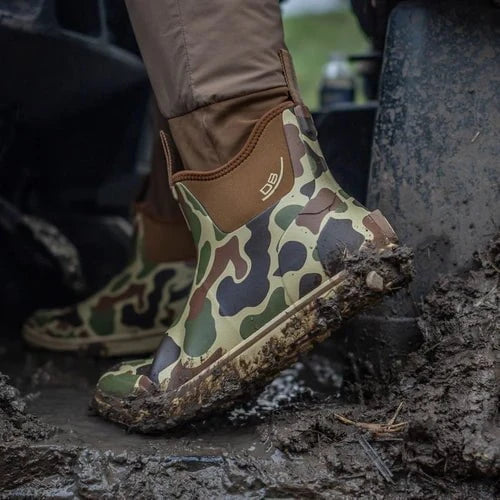
Wild turkey seasons often line up with the most unpredictable spring weather. Rain, wind, fog, and even snow aren’t off the table depending on where you hunt. That’s why your gear should be flexible. Waterproof boots, a decent rain jacket, and breathable layers go a long way. Gloves that stay grippy when wet and a face mask that doesn’t hold moisture are also worth packing. Keep your calls dry—carry them in plastic bags or waterproof containers and have backups ready. Optics can fog easily, so keep a cloth on hand. Staying comfortable and prepared lets you stay in the hunt longer when conditions get tough. Using a ground blind during adverse weather can provide shelter from rain and wind, allowing you to remain in position while waiting for turkeys.
Conclusion
Success in turkey hunting often comes down to adapting to inclement weather instead of trying to fight it. Hunters need to be adaptable, considering how different weather patterns influence turkey behavior and adjusting their strategies accordingly. Understanding how wind, rain, fog, and temperature influence turkey behavior lets you shift your strategy and stay one step ahead. Stay dry, stay quiet, and adjust your expectations based on what the conditions give you. There’s no such thing as perfect weather every day, but knowing how to hunt through the tough stuff is what turns a good hunter into a consistent one.
FAQs
Do turkeys gobble in the wind?
Toms tend to gobble less in the wind because sound doesn’t travel well and they’re more cautious. Hearing gobbles during windy conditions is crucial as it can help you locate them despite the challenging weather. You may still hear them, but they’re usually quieter and less responsive.
Is it worth hunting turkeys in the rain?
Yes, especially on rainy days. Turkeys often move into open fields and stay active, continuing their feeding routines despite the weather. Heavy rain can slow things down, but with the right gear and location, you can still have success.
How does temperature affect turkey hunting?
Warmer mornings typically lead to more gobbling and movement. Colder mornings can delay activity or keep birds quiet, especially early in the season.
During the spring turkey season, temperature changes can significantly impact turkey behavior, with different weather patterns like rainy or hot dry days influencing hunting strategies.
What kind of calls work best in bad weather?
Louder, higher-pitched calls are better in wind or rain since they cut through background noise, but understanding the best weather for turkey hunting can significantly influence your success. During challenging weather conditions, waiting patiently in strategic positions where turkeys are likely to appear can lead to successful encounters, especially after the rain has subsided. Keep your calls dry and test them before heading out.
Where should I hunt during foggy conditions?
Focus on open spaces or clearings where visibility is better. During foggy conditions, it is crucial to locate turkeys in these open spaces as they tend to avoid dense, brushy areas. Birds may stay close to the roost and move slowly, so be patient and stay alert.