


Introduction to Hunting
Hunting is an exhilarating outdoor activity that requires the right gear, including a quality pair of hunting boots. A good hunting boot can make a significant difference in a hunter’s experience and mood. When it comes to hunting, having the right boots can be the difference between a successful hunt and a disappointing one. The perfect hunting boot should offer comfort, protection, and performance tailored to the specific conditions of your hunt. In this article, we will explore the key factors to consider when choosing the perfect hunting boot, including boot design, comfort, and brands.
Boots Built for the Hunt
A quality hunting boot can mean the difference between comfort and misery, especially when you’re miles from the truck. When buying boots, it's crucial to match them to the specific hunting conditions you expect to encounter. Different seasons bring different weather, terrain, and hunting styles, so the best boot for the job changes with the calendar. Boot height can significantly influence comfort and functionality, with taller boots being ideal for cold weather and deep snow, while shorter boots offer increased mobility for lighter hunts. Choosing the right pair means considering insulation, waterproofing, traction, and fit—tailored to when and where you’ll be in the field. Additionally, heavier boots with a stiff shank provide essential support and stability for rough terrain, helping to prevent foot fatigue during challenging hikes.
Early Season: Lightweight and Breathable
Early season hunts in late summer and early fall call for boots that keep your feet cool and dry. Whether you’re chasing antelope on the prairie or scouting for elk in September, uninsulated or lightly insulated boots with breathable uppers are the best choice. Breathable materials help manage foot sweat during early season hunts, ensuring your feet stay comfortable. Look for materials like mesh-backed leather or synthetic panels that promote airflow. A lightweight construction and flexible sole help with covering miles in warm conditions. Waterproofing is still important in case of morning dew or creek crossings, but prioritize ventilation.
Mid-Fall: Versatile and Supportive
As fall sets in and temperatures dip, a boot with moderate insulation—around 400 to 800 grams—is a great all-purpose option. Comfortable boots are crucial for mid-fall hunting, as they keep you warm during brisk mornings but don’t overheat during midday hikes. Mid-fall hunting often involves varied terrain, so you’ll want strong ankle support, good tread, and a waterproof membrane. Whether you’re walking cornfield edges for deer or climbing ridges for black bear, comfort and durability are key. Additionally, for mountain hunting, selecting appropriate footwear with features like waterproofing, insulation, and support is essential to optimize comfort and performance while navigating rugged landscapes.
Late Season: Insulated and Weatherproof
Late season hunts bring freezing temps, snow, and icy ground. To stay warm, boots with 1000 grams of insulation or more help retain heat when sitting in a treestand or glassing from a ridge. Waterproofing becomes critical—not just for wet conditions, but for keeping snow out and warmth in. A tall shaft adds protection from drifts, and aggressive lugs help with icy traction. Look for double-stitched seams, cold-rated outsoles, and enough room for thick socks without compromising fit. Cold weather hunting boots with features like insulation, traction, and waterproof construction are essential for tackling low temperatures, snow, and ice, ensuring comfort and performance during harsh hunting conditions.
Winter Predator Hunts: Extreme Cold Comfort
For hunters targeting coyotes, bobcats, or foxes in the dead of winter, especially at night, boots need to handle prolonged exposure to the cold. Heavier boots typically provide more support and stability for rough terrain. Pac boots or heavy-duty insulated models with removable liners provide maximum warmth. Rubber-bottomed boots with wool or felt liners keep feet warm even when you’re stationary for hours. Make sure the boot still allows you to walk quietly and doesn’t tire you out with excess weight. A stiff shank is also important for foot protection in rough terrain.
Upland and Spring Hunts: Flexible and Fast
For upland birds or spring turkey, mobility is more important than insulation. Lightweight, uninsulated hiking boots with supportive soles help you move quickly through fields, cover ground efficiently, and stay dry in morning dew. Synthetic material offers benefits such as breathability and being lightweight, which can be advantageous in these conditions. Breathable waterproofing helps when crossing creeks or muddy lowlands. A low-profile design improves agility, and a snug fit prevents blisters on long treks.
Deer Hunting Boot Requirements
Deer hunting is a popular type of hunting that requires a specific set of boot requirements. When it comes to deer hunting, a good pair of boots should provide ankle support, be comfortable, and have a flexible sole. The best deer hunting boots are those that can handle steep terrain and uneven ground, keeping your feet warm and dry in cold weather conditions. Insulated boots with leather uppers are a popular choice for deer hunting, as they provide excellent traction and support. Additionally, waterproof boots are a must-have for deer hunting, as they can keep your feet dry in wet conditions. Whether you’re navigating through thick brush or climbing rugged hills, the right pair of boots will ensure you stay comfortable and focused on the hunt.
Boot Design and Comfort
Boot design and comfort are crucial factors to consider when choosing a hunting boot. A comfortable boot should have a roomy toe box, a cushioned insole, and a breathable membrane to keep your feet dry. The boot should also have a sturdy sole that can handle rough terrain and provide excellent traction. When it comes to boot design, there are several options to choose from, including leather boots, rubber boots, and synthetic boots. Leather boots are a popular choice for hunting, as they are durable and provide excellent support. Rubber boots, on the other hand, are ideal for wet conditions and can provide excellent traction. Synthetic boots are a good option for those who want a lightweight and breathable boot. Each material has its advantages, so consider your specific hunting needs when making a choice.
Boot Brands and Quality
There are several boot brands on the market that offer high-quality hunting boots. When it comes to choosing a boot brand, it’s essential to consider factors such as durability, comfort, and support. These brands offer a range of boot options, including insulated boots, waterproof boots, and lightweight boots. When choosing a boot brand, it’s also essential to consider the type of hunting you will be doing and the terrain you will be hunting in. For example, if you will be hunting in rugged terrain, you may want to choose a boot with a stiffer sole and more ankle support. On the other hand, if you will be hunting in wet conditions, you may want to choose a waterproof boot with a flexible sole. Ultimately, the best hunting boot is one that provides excellent support, comfort, and traction, and is made from high-quality materials that can withstand the demands of hunting.
All-Season Features to Watch For
Regardless of when you hunt, some boot features always matter. A snug heel fit with room in the toe box helps prevent hotspots. Durable materials and reinforced toe caps extend the life of your boots. A quality leather upper can provide a comfortable fit and withstand harsh conditions while maintaining performance over time. Look for aggressive tread patterns for traction, gusseted tongues to block debris, and lacing systems that stay tight all day. Break your boots in before the season to ensure comfort on the first hunt. Boot stiffness is also crucial; stiffer boots offer better support and safety on complex terrains, while more flexible options are suitable for flatter areas.
Conclusion
The best hunting boots change with the season, but the goal stays the same: comfort, protection, and performance in the field. Early hunts need breathable lightweights, mid-season hunts call for balance, and late hunts demand warmth and waterproofing. Match your boot to the conditions, and your feet will thank you every step of the way. The right boots can significantly enhance your overall hunting adventure, providing the confidence and support needed for success in various terrains and weather conditions.
FAQs
What insulation level is best for early season hunts?
Uninsulated or boots with up to 400 grams of insulation are best for early season warmth and breathability.
Are rubber boots good for cold weather?
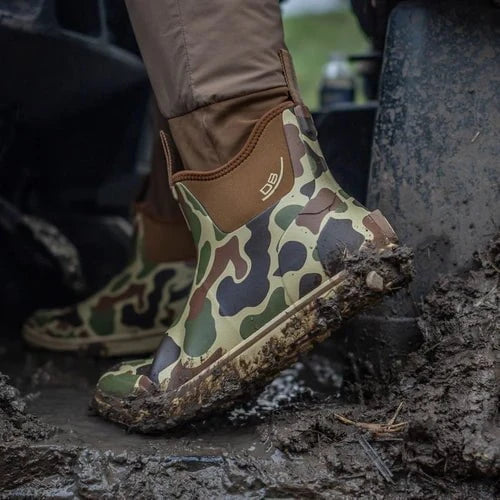
Rubber hunting boots with insulation and liners can be very warm and are excellent for wet, snowy conditions—especially in blinds or stands. These boots offer superior water resistance and odor control, making them ideal for flat, wet environments. However, they may lack the ankle support needed for steep terrains.
What kind of boot works for spring turkey hunting?
Lightweight, waterproof boots with good support and flexibility are ideal for covering ground quietly and comfortably. Flexible boots are particularly beneficial for flat areas, as they help prevent foot strain and injuries, enhancing your overall hunting experience.
How can I tell if a boot is warm enough for winter?
Look for insulation ratings (1000 grams or more), cold-rated outsoles, and user reviews focused on sub-freezing performance. Boots designed for colder temperatures often feature advanced insulation and waterproof technologies to ensure comfort and protection. These features are crucial for maintaining warmth and preventing discomfort during extreme cold conditions.
Do I need different boots for upland vs big game?
Yes. Upland boots are lighter and built for mobility, catering to a hunting style that involves covering large distances quickly. On the other hand, big game boots offer more support, insulation, and rugged construction, which are essential for a hunting style that requires navigating varied and challenging terrain. Understanding your personal hunting style is crucial for selecting the right boots to ensure comfort and performance in different outdoor conditions.