


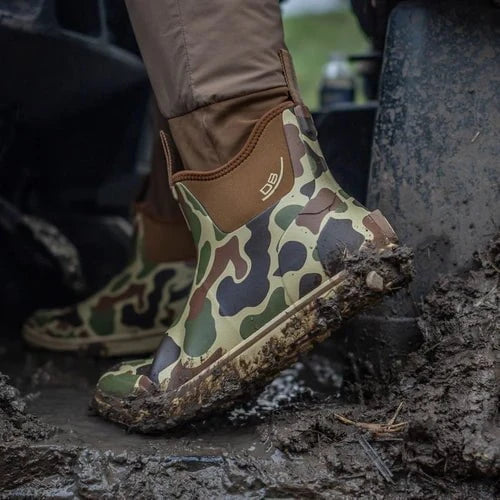
Introduction to Hunting
Hunting is an essential practice for maintaining ecosystem balance and controlling invasive species populations. When it comes to hunting small predators like raccoons, foxes, and coyotes, it’s crucial to choose the right firearm and caliber to ensure a clean and humane kill. For those new to hunting, it’s essential to understand the basics of hunting ethics, safety, and regulations. Hunting can be an effective method of pest control, and when done correctly, it can help maintain a healthy balance of species in the environment. Whether you’re a seasoned hunter or just starting out, it’s vital to approach hunting with respect for the animals and the environment.
Choosing the Right Load for Furbearers
When hunting raccoons, foxes, or similar-sized predators with a shotgun, your choice of shot size and material plays a major role in effectiveness. These animals are tougher than game birds, often shot at close to moderate ranges, and may require quick follow-up shots in tight terrain. The goal is quick, humane kills with enough pellet count and energy to penetrate fur and muscle without excessive damage if you’re harvesting pelts. Alternatively, traps can also be an effective method for hunting raccoons and similar-sized predators.
Best Shot Sizes for Raccoons and Similar Game
For raccoons, #4 buckshot is a widely used and effective option. An example of its effectiveness is a hunt where two raccoons were successfully taken down using #4 buckshot. It delivers a dense pattern with enough energy to reach vital organs without over-penetration. If your shots are consistently under 30 yards, #2 or BB shot—especially in lead—can also perform well. For predators like foxes or opossums, #1 or #2 buckshot is commonly used, offering a balance between pellet size and pattern coverage. These shot sizes give the best chance of clean kills without unnecessary damage at short to mid ranges.
Gauge and Load Considerations
The 12 gauge is the most common and versatile option for predator hunting. However, while it is versatile, it may not be suitable for larger predators. It can handle heavier loads and tighter chokes without being unwieldy. A 20 gauge can also be effective, particularly with modern loads and within closer ranges. For dense terrain or night hunting where mobility is key, a lighter gun with proper shot choice still performs well. Match your gauge and load to the terrain, distance, and species you’re targeting.
Choosing the Right Firearm for Small Predators
When choosing a firearm for hunting small predators, there are several factors to consider, including the type of animal, the terrain, and the distance of the shot. A decent rifle with low recoil is ideal for hunting small predators, as it allows for accurate and humane shots. For closer range shots, a good shotgun with a full choke can be effective, especially when using turkey loads or other types of shot that are designed for hunting small game. It’s also important to consider the caliber and shot size to ensure that you’re using the right amount of power for the job. Additionally, hunters should be aware of the different types of firearms available, including rifles, shotguns, and handguns, and choose the one that best suits their needs and preferences.
Caliber Options for Flat Shooting
For flat shooting, calibers like .22-250 Remington, .223 Remington, and .204 Ruger are popular choices among hunters. These calibers offer high velocity and a flat trajectory, making them ideal for long-range shots. When hunting small predators, it’s essential to choose a caliber that can deliver a well-placed shot without causing unnecessary damage to the animal. The .17 HMR and .22 WMR are also good options for flat shooting, as they offer a high level of accuracy and a flat trajectory. Ultimately, the choice of caliber will depend on the specific hunting situation and the type of animal being hunted. Hunters should consider factors such as the distance of the shot, the size and type of animal, and the terrain when selecting a caliber for flat shooting.
Shotgun Options for Close Range
For close-range shots, a 12-gauge shotgun is a popular choice among hunters. When using a shotgun for hunting small predators, it’s essential to choose the right shot size and choke to ensure a clean and humane kill. A full choke or modified choke can be effective for close-range shots, and shot sizes like #4 or #6 can be used for hunting raccoons and other small predators. Additionally, hunters should consider using a dead coyote choke or other specialized chokes designed for hunting small game. When shooting at close range, it’s crucial to be careful and take aim to avoid missing the target or causing unnecessary damage to the surrounding environment. A good shotgun can be an effective tool for hunting small predators, and when used correctly, it can help maintain a healthy balance of species in the ecosystem.
Chokes and Patterning
A modified or full choke helps deliver tighter patterns for small predators, increasing the chance of multiple pellet hits in vital areas. Always pattern your gun with your chosen load before hitting the field to understand how it performs at typical engagement distances. Knowing how your load spreads helps avoid wounded animals and builds confidence when it’s time to take the shot.
Terrain and Tactics Matter
Tight brush, creek bottoms, and thickets often call for fast handling and quick reflexes. It is important to consider the impact of shots on the ground to ensure environmental safety. In these environments, shorter barrels and more open chokes paired with lighter shot sizes can work well. In more open terrain or at night when ranges increase slightly, a heavier load and tighter pattern give better control and impact. Calling setups, bait stations, and still-hunting all present different engagement windows—know your likely shot range before loading up.
Choosing for Pelt Preservation
If you plan to keep or sell pelts, shot selection becomes even more important. Using appropriate methods for different species, including the raccoon dog, is crucial to preserve pelts. Smaller buckshot and more precise shots to the head or shoulder reduce hide damage. Lead shot tends to cause less pelt tearing than steel due to its weight and energy distribution, but always check local regulations on non-toxic shot in your area.
FAQs
What shot size is best for raccoons?
#4 buckshot is a reliable choice for raccoons, offering strong knockdown power and dense patterns at close to mid ranges. Additionally, ensuring proper shot placement is crucial to guarantee a clean and humane shoot.
Can you use BB or #2 shot for small predators?
Yes, especially at closer ranges. These shot sizes can be effective on smaller predators when paired with the right choke. Using the right shot size can make a successful hunt happen more reliably.
What gauge is best for predator hunting?
The 12 gauge is the most versatile and powerful option, though 20 gauge can be effective in close-range situations.
Having enough space is crucial to effectively use a 12 gauge for predator hunting.
Should I use lead or steel shot for raccoons?
Lead is preferred for its performance and reduced pelt damage, but steel may be required in some areas due to regulations.
It is extremely important to choose the right shot material to comply with local regulations and ensure effective hunting.
What choke should I use for hunting small predators?
A modified or full choke typically works best to keep patterns tight and ensure multiple pellet hits on vital areas.
Using the right choke gives hunters hope for a successful and humane hunt.