


Getting Ready for the Road
Planning an out-of-state hunting trip takes more than just booking a cabin and buying a tag. Packing the right gear into the truck for travel ensures you’re ready for whatever the weather, terrain, and game throw at you. Camping during the trip offers cost savings and a deeper connection to nature, whether you prefer tent camping or truck bed camping. Forgetting a key item miles from home can turn a dream hunt into a scramble. A good packing list covers your hunting needs, travel essentials, and a plan for unexpected situations, all while keeping your budget in mind.
Essential Hunting Gear
Start with your weapon of choice—rifle, bow, or shotgun—and double-check that it’s legal and properly stored for transport. Selecting the right equipment is crucial for a successful hunting trip, and ensuring everything is on point can make all the difference. Pack enough ammo or arrows, plus extras in case of loss or malfunction. Bring your license, tags, and any required permits in both paper and digital form. Don’t forget optics: binoculars, rangefinder, and scope or sights. Also include a cleaning kit and basic tools for adjustments or maintenance.
To enhance your hunting experience, create an organized packing list tailored for your trip. This will help ensure you have all necessary gear and reduce stress.
Proper Clothing Layers
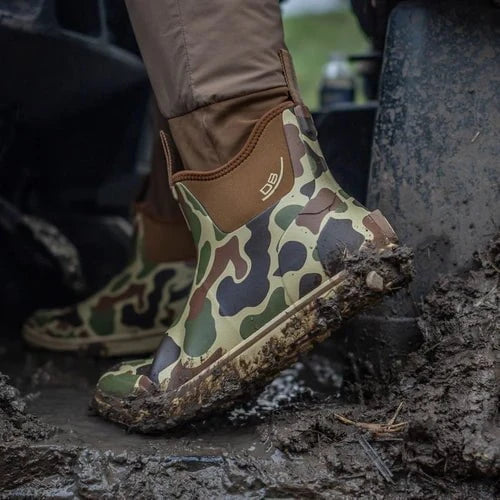
Weather changes quickly in unfamiliar territory. Pack base layers for moisture control, insulating layers for warmth, and outer layers that are waterproof and windproof. Ensure you have appropriate clothing for snowy conditions, including insulated jackets and pants. Bring a variety of gloves, socks, and headwear. Having extra clothes packed in dry bags can save the day after a wet hunt. Don’t overlook the importance of good boots—well broken-in and suited to the terrain you’ll face.
Prepare for various weather conditions to ensure a successful and comfortable hunting trip.
Field Gear and Navigation
Carry a pack that fits your hunting style, whether it’s a full-frame pack for western big game or a lightweight daypack for treestand hunts. Include game bags, knives, a bone saw, flagging tape, and zip ties for tagging. Navigation tools like GPS, printed maps, and a compass are crucial if you’ll be off-grid. A backup power bank for your phone or GPS ensures you’re never stuck without guidance. Reliable communication devices are essential to stay connected with friends and family, ensuring safety and coordination. Organize your gear into kits to facilitate easier access to essential items during your hunt. Don't forget the rest of your gear, such as a first aid kit and spare batteries, to ensure you're fully prepared.
Food, Water, and Camp Supplies
For overnight or multi-day trips, pack enough food and drinking water—or a means to purify water from natural sources. Using a tent for camping can enhance your experience by allowing you to connect more intimately with the landscape and save on lodging costs. Bring a stove, fuel, cookware, utensils, and a cooler for meat. Don’t forget fire-starting materials, a good flashlight or headlamp with extra batteries, and a first aid kit. Sleeping gear should match the season—insulated pads and proper-rated sleeping bags go a long way toward restful nights.
Legal and Local Requirements
Research local laws before you pack. Some states require blaze orange, specific tag placement, or particular transport rules for meat and antlers. Make sure your weapon complies with local regulations and that you’ve secured any landowner permissions. It’s smart to keep a copy of your state’s regulations on hand or downloaded to your phone. Additionally, if you plan to hunt internationally, understand the regulations related to importing animal trophies, including budgeting for customs fees per animal and ensuring compliance with species-specific restrictions to avoid issues at customs.
Backup and Contingency Items
Pack spare batteries, extra straps or cordage, and rain gear even if the forecast looks clear, and always have a backup plan. Bring tools for basic gear repair—duct tape, multi-tool, zip ties. Include cash for fuel or small-town stops where cards might not work. Print copies of reservations, maps, and emergency contact info in case cell service fails. If you’re flying, check airline rules about gear and ammunition to avoid surprises. Additionally, ensure your communication devices have a suitable data plan, especially if you are traveling abroad, to maintain reliable connectivity.
Conclusion
An out-of-state hunting trip is a great adventure, offering exciting experiences and the chance to chase new game while making lasting memories. The key to a successful trip is preparation. With the right gear, clothing, and supplies, you can focus on the hunt instead of what you forgot. Pack smart, check your list twice, and head into the field ready for whatever the trip brings. We hope you have a successful and enjoyable hunting experience.
FAQs
What gear is most commonly forgotten on out-of-state hunts?
Things like headlamps, spare batteries, game bags, or copies of hunting regulations are often overlooked but vital.
Additionally, packing baby wipes is crucial for personal hygiene, as they can help prevent discomfort caused by chafing during your international hunting trip. Here are some tips to ensure you don't forget essential items.
How do I transport my firearm across state lines?
Keep it unloaded and secured in a locked case. Follow all state and federal laws, and check airline or vehicle transport rules. Using the wrong TSA-approved lock on your gun case can lead to significant issues, such as damaging your travel case and facing complications when crossing borders. Additionally, remember that trophies from different hunters must be shipped separately; you cannot box them together to save on shipping costs.
What clothing should I bring for variable weather?
Pack layers: a moisture-wicking base, insulating mid-layer, and waterproof outer shell. Include gloves, extra socks, and a warm hat.
It's also crucial to be familiar with the local climate to ensure you are adequately prepared for any weather conditions.
Do I need a GPS if I have a smartphone?
A standalone GPS is a good backup. Phones can lose signal or battery life quickly, especially in remote areas.
Of course, it's also wise to have a backup plan in case your primary navigation device fails, ensuring you're prepared for various situations you might encounter on your trip.
How do I keep meat cold on the way home?
Use a quality cooler with frozen jugs or dry ice. Drain meltwater as needed and keep the cooler sealed as much as possible.
Additionally, ensure you fill out all necessary customs paperwork for animal trophies to avoid any legal or logistical issues.